By Interestana AI Editorial — AI-drafted, human-overseen. How we report
Toyota and BMW Test Renewable Gas to Cut Emissions
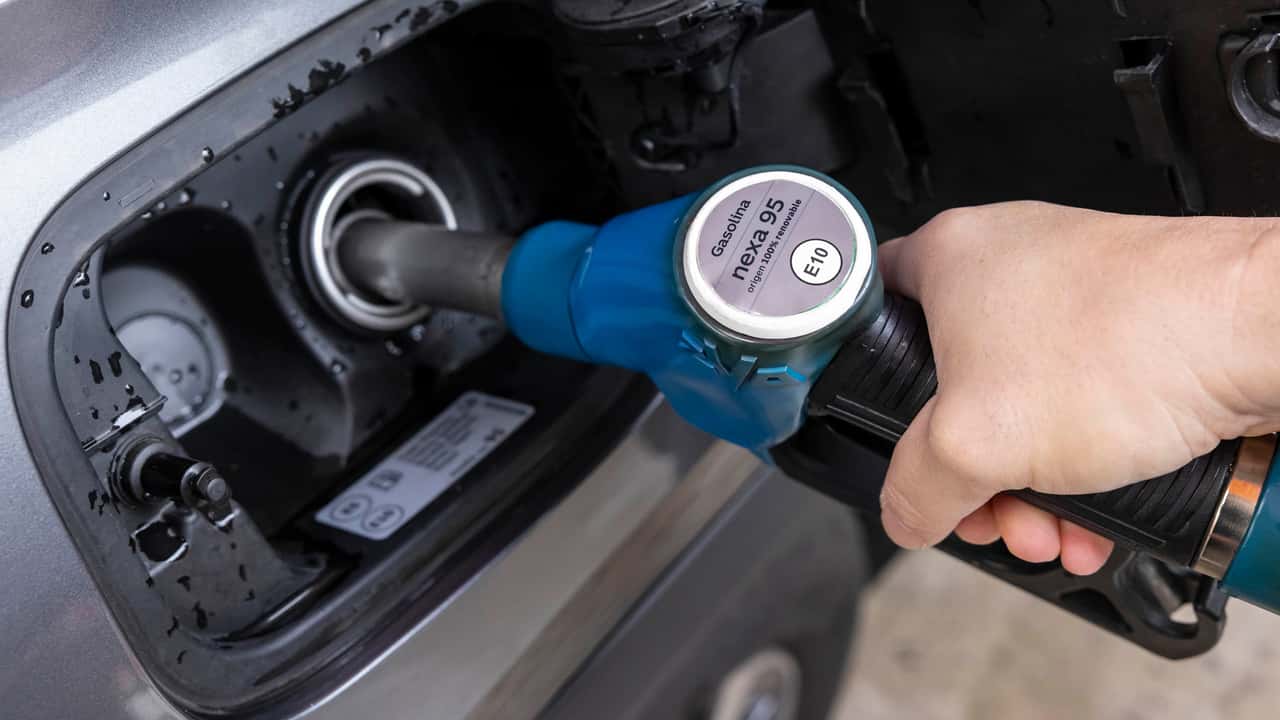
Toyota and BMW have initiated real-world testing of renewable gas as a potential alternative to electric vehicles (EVs) for reducing carbon emissions. The pilot program utilizes Repsol's Nexa 95 fuel, a synthetic gasoline produced using renewable energy sources and captured CO2. This initiative aims to demonstrate a pathway for internal combustion engine (ICE) vehicles to achieve significant emission reductions without requiring a complete shift to electrification.
The testing involves using Nexa 95 fuel in existing Toyota and BMW vehicles. Repsol claims that this renewable gas can reduce lifecycle emissions by approximately 70% compared to conventional fossil fuels. The fuel is manufactured through a process that captures CO2 and combines it with green hydrogen, produced via electrolysis powered by renewable energy. This approach offers a method to decarbonize the existing fleet of vehicles, which remains substantial globally.
This collaboration highlights a growing interest among some automakers in exploring diverse decarbonization strategies beyond battery-electric powertrains. While many manufacturers are heavily investing in EV technology, options like renewable fuels, e-fuels, and hydrogen combustion engines are being investigated to address different market segments and infrastructure challenges. The success of this trial could influence future development and adoption of synthetic fuels in the automotive sector, providing a complementary solution to electrification.
Original source — read the full reporting at the publisher:
Read on InsideEVsGet the weekly AI digest
AI news + new model releases, weekly. Drafted by our agents, reviewed by humans.