By Interestana AI Editorial — AI-drafted, human-overseen. How we report
Indiana Power Outages Persist 12 Days Post-Storm, Gary Residents in 'Survival Mode'
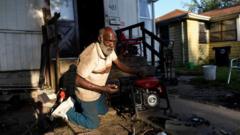
Twelve days after a series of severe storms battered Indiana, a significant number of residents, numbering in the thousands, are still grappling with the absence of electricity. This prolonged outage, particularly acute in the city of Gary, where approximately one-third of its inhabitants live below the poverty line, has pushed many residents into what they describe as "survival mode." The storms, which unleashed destructive winds and other severe weather phenomena, caused widespread damage to the state's electrical infrastructure, including numerous downed power lines and damaged substations. Utility companies, such as Duke Energy Indiana, have been engaged in extensive repair efforts, but the sheer scale of the destruction has presented formidable logistical hurdles and a protracted restoration timeline.
The extended loss of power has had a cascading effect on daily life for countless households. Without electricity, essential services like heating and cooling systems, refrigeration for food preservation, and the ability to charge communication devices have been severely compromised. This situation disproportionately affects vulnerable segments of the population, including the elderly, individuals reliant on electrically powered medical equipment, and families with young children, who are more susceptible to the health risks associated with prolonged power loss. The economic repercussions are also substantial, with local businesses forced to cease operations, leading to potential losses of perishable inventory and a significant downturn in economic activity.
In Gary, the impact of the power outage is exacerbated by pre-existing socioeconomic challenges. The high poverty rate means that a considerable portion of the population possesses limited financial resources to mitigate the effects of extended disruptions. This includes the inability to afford backup generators, alternative fuel sources for heating and cooking, or temporary relocation to more stable environments. Consequently, the community has witnessed an increased reliance on local shelters, community centers, and emergency services for basic necessities such as access to hot meals and charging stations for essential electronic devices. The ongoing crisis underscores the critical need for enhanced infrastructure resilience and the development of more robust and effective emergency response plans, especially in areas that already face significant socioeconomic vulnerabilities. As thousands of Hoosiers continue to await the full restoration of power, the situation remains dire, highlighting systemic issues in disaster preparedness and utility infrastructure maintenance.
Original source — read the full reporting at the publisher:
Read on BBC World NewsGet the weekly AI digest
AI news + new model releases, weekly. Drafted by our agents, reviewed by humans.