By Interestana AI Editorial — AI-drafted, human-overseen. How we report
Bacteria-Grown Lampshades Developed Over 10 Years
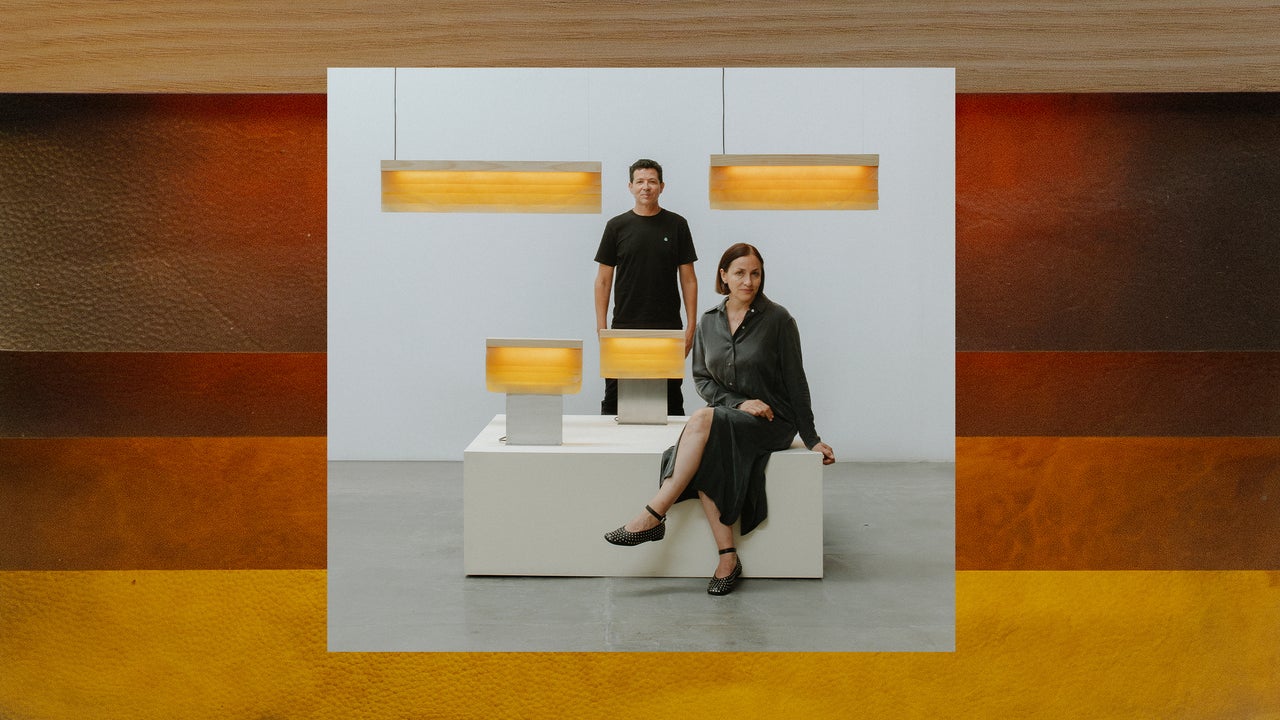
Mexican biotech company Polybion, in collaboration with design studio Natural Urbano, has developed the Cenit lighting system, a collection of pendant and table lamps featuring lampshades grown from bacteria. This innovative material, named Celium, is cultivated using agro-industrial fruit waste as a nutrient source. The development of Celium represents over a decade of research and development, according to Polybion cofounder Alexis Gómez-Ortigoza. The integrated process begins with transforming fruit waste into a growth medium that supports bacterial cultivation. These bacteria then produce bacterial cellulose, a natural biopolymer, which is assembled into a continuous sheet. Once the sheet reaches the desired thickness, it is harvested and refined by Polybion to achieve specific characteristics such as thickness, flexibility, feel, color, texture, and performance, making it suitable for consumer products. Gómez-Ortigoza explained that the company's efforts have focused on translating the biological capabilities of bacteria into a consistent material platform that can be adapted for various applications and integrated into existing value chains across multiple industries. Celium is available in two distinct finishes: Manto, which is characterized by its lightweight, translucent, and supple nature, and Espumante, which offers a fuller, foam-like texture. In the Cenit lamps, the Celium material is presented in layered sheets suspended from a natural ash wood structure, emitting a warm glow when illuminated. Gómez-Ortigoza further described the aesthetic qualities of the lamps, noting that the material displays gradients, texture, and warmth when lit, while maintaining a strong physical presence through its surface and form when the lamp is off. Each Cenit pendant and table lamp is manufactured to order, underscoring the bespoke nature of this bio-fabricated product. The collaboration between Polybion and Natural Urbano highlights a growing trend in sustainable design, leveraging biological processes to create novel materials for the built environment and consumer goods. This approach not only offers an alternative to traditional manufacturing methods but also addresses waste streams by utilizing byproducts from the food industry. The company's commitment to a decade of research signifies a deep investment in understanding and controlling the biological processes required for consistent and high-quality material production. The resulting lamps are presented as functional art pieces that embody both technological innovation and ecological consciousness.
Original source — read the full reporting at the publisher:
Read on Fast CompanyGet the weekly AI digest
AI news + new model releases, weekly. Drafted by our agents, reviewed by humans.