By Interestana AI Editorial — AI-drafted, human-overseen. How we report
Academic Freedom Under Scrutiny: Emory Professor's Arrest Highlights Growing Tensions in Higher Education
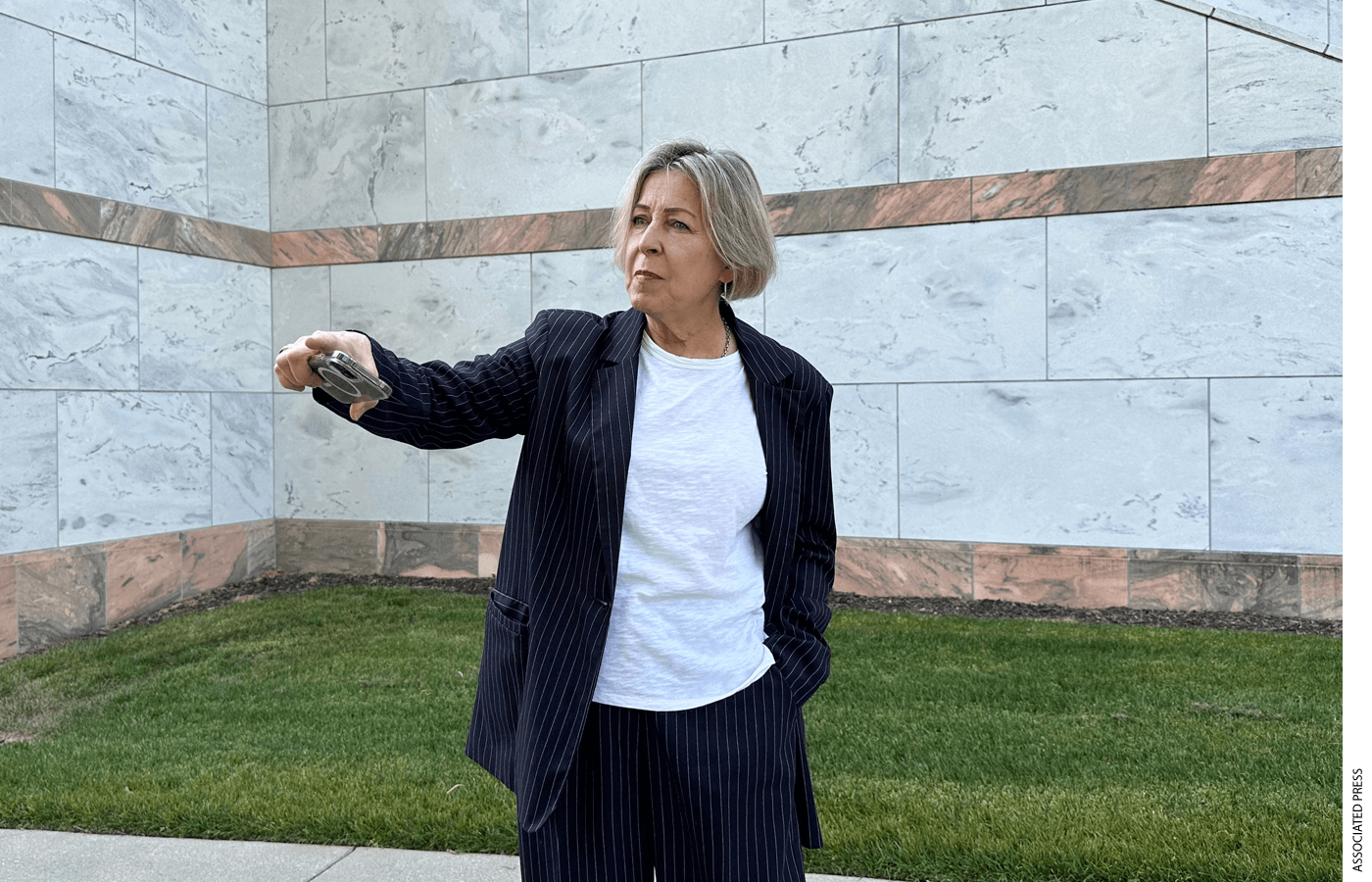
The arrest of Noelle McAffee, a philosophy professor at Emory University, alongside two colleagues by university police in April 2024 during pro-Palestine protests on campus, has brought renewed attention to the precarious state of academic freedom. These faculty members have since filed a complaint against Emory University, alleging that the institution contravened its own stated free expression policy. This incident is emblematic of a broader trend, with controversies concerning suspected or confirmed violations of academic freedom becoming a weekly occurrence in higher education. The authors of the white paper “Academic Freedom” in the AEFP Live Handbook of Education Policy Research posit that the proliferation of these conflicts stems, at least in part, from a deficiency in consistent and clear guidance provided by both university leadership and the U.S. judicial system regarding the precise boundaries and protections afforded by academic freedom. This ambiguity is exacerbated by a discernible and growing trend of rejecting free-speech norms, particularly among the student body, creating a volatile environment for academic discourse and expression.
Academic freedom, at its core, is intended to empower professors to pursue their chosen areas of study and to articulate their perspectives on sensitive and contentious subjects without the looming threat of institutional censorship or punitive action. However, the practical application of this principle is far from straightforward. University administrators frequently impose disciplinary measures for faculty speech or conduct, which in turn often precipitate legal challenges from the affected professors. When courts are tasked with adjudicating claims related to free speech within academic settings, they typically navigate a complex legal landscape that integrates established First Amendment jurisprudence with professional norms that have been cultivated over time by influential bodies such as the American Association of University Professors (AAUP). The AAUP, founded in 1915, has been a leading advocate for academic freedom and tenure in the United States, developing widely recognized statements on these principles.
Crucial to judicial decision-making in these cases are factors such as the direct relevance of the speech or action to the professor's teaching responsibilities or scholarly work, and the demonstrable extent to which it may disrupt the normal functioning of the classroom or the broader university environment. The examination of the extensive legal and research record pertaining to academic freedom has yielded four principal findings, which collectively underscore the nuanced, multifaceted, and frequently contested nature of this foundational tenet of higher education. The white paper aims to illuminate these complexities, offering a more concrete understanding of the protections and limitations inherent in academic freedom within the contemporary university landscape, and addressing the challenges posed by evolving societal expectations and diverse institutional interpretations.
Original source — read the full reporting at the publisher:
Read on Education NextGet the weekly AI digest
AI news + new model releases, weekly. Drafted by our agents, reviewed by humans.