By Interestana AI Editorial — AI-drafted, human-overseen. How we report
Scholars Link Civil Discourse Initiatives to Conservative Agendas
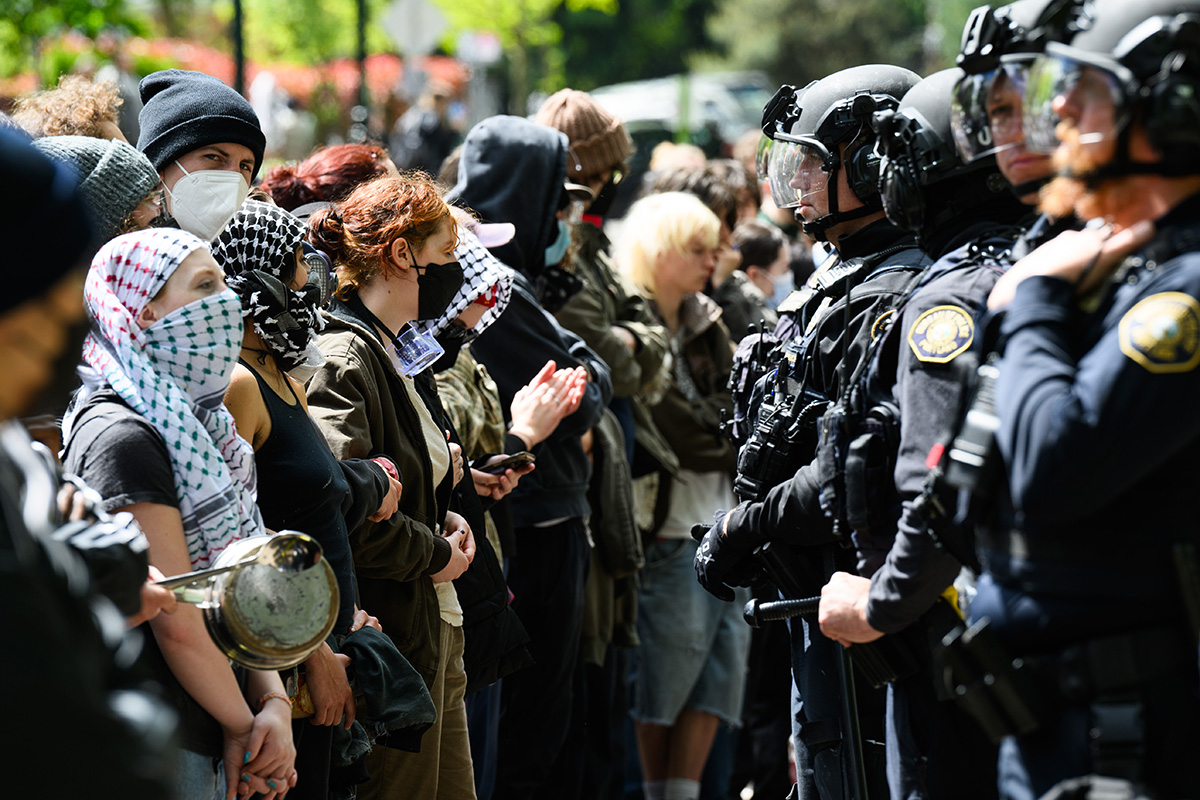
A coalition of scholars has published a new report asserting that initiatives aimed at fostering constructive dialogue and promoting civil discourse are, in fact, strategically designed to counter progressive activism. The report, released on October 1, 2026, by an unnamed group of academics, argues that these discourse-focused movements are not neutral but are instead aligned with conservative political objectives and pro-Israel advocacy. The scholars behind the report contend that the language of "civility" and "dialogue" is being weaponized to silence or delegitimize progressive viewpoints and movements, particularly those critical of Israeli government policies.
This latest report builds upon a growing body of academic and activist critique that questions the purported neutrality of organizations and initiatives advocating for enhanced civil discourse. Critics of these movements often point to funding sources and the specific targets of their critiques as evidence of a political agenda. The report suggests that by framing progressive activism as inherently uncivil or divisive, these initiatives aim to create an environment where such activism is socially or politically unacceptable. This approach, according to the report, serves to protect existing power structures and advance specific political agendas that benefit from the suppression of dissent.
Academics and individuals named or implicated in the report's findings have reportedly taken issue with its assertions. While the specific names of these individuals and the organizations they represent are not detailed in the initial reporting, the implication is that those who have been vocal proponents of civil discourse initiatives feel their work is being misrepresented. These individuals likely argue that their efforts are genuinely aimed at improving public debate and finding common ground, rather than serving a partisan political purpose. They may contend that the report unfairly characterizes their intentions and overlooks the potential benefits of fostering more respectful and productive conversations across ideological divides.
The report's central argument is that the push for "civil discourse" is not a universally beneficial concept but a politically charged strategy. It posits that this strategy is particularly effective in contexts where progressive movements are gaining traction, suggesting a deliberate effort to preempt or undermine such progress. The scholars involved in the report likely draw on analyses of funding patterns, public statements, and the specific policy debates where these discourse initiatives have been most active. By framing the issue in this manner, the report seeks to reframe the debate around civil discourse itself, urging observers to look beyond the surface-level appeal of improved communication and consider the underlying political motivations and consequences.
Original source — read the full reporting at the publisher:
Read on Inside Higher EdGet the weekly AI digest
AI news + new model releases, weekly. Drafted by our agents, reviewed by humans.