By Interestana AI Editorial — AI-drafted, human-overseen. How we report
Hotel Design Trends That Detract From Guest Comfort
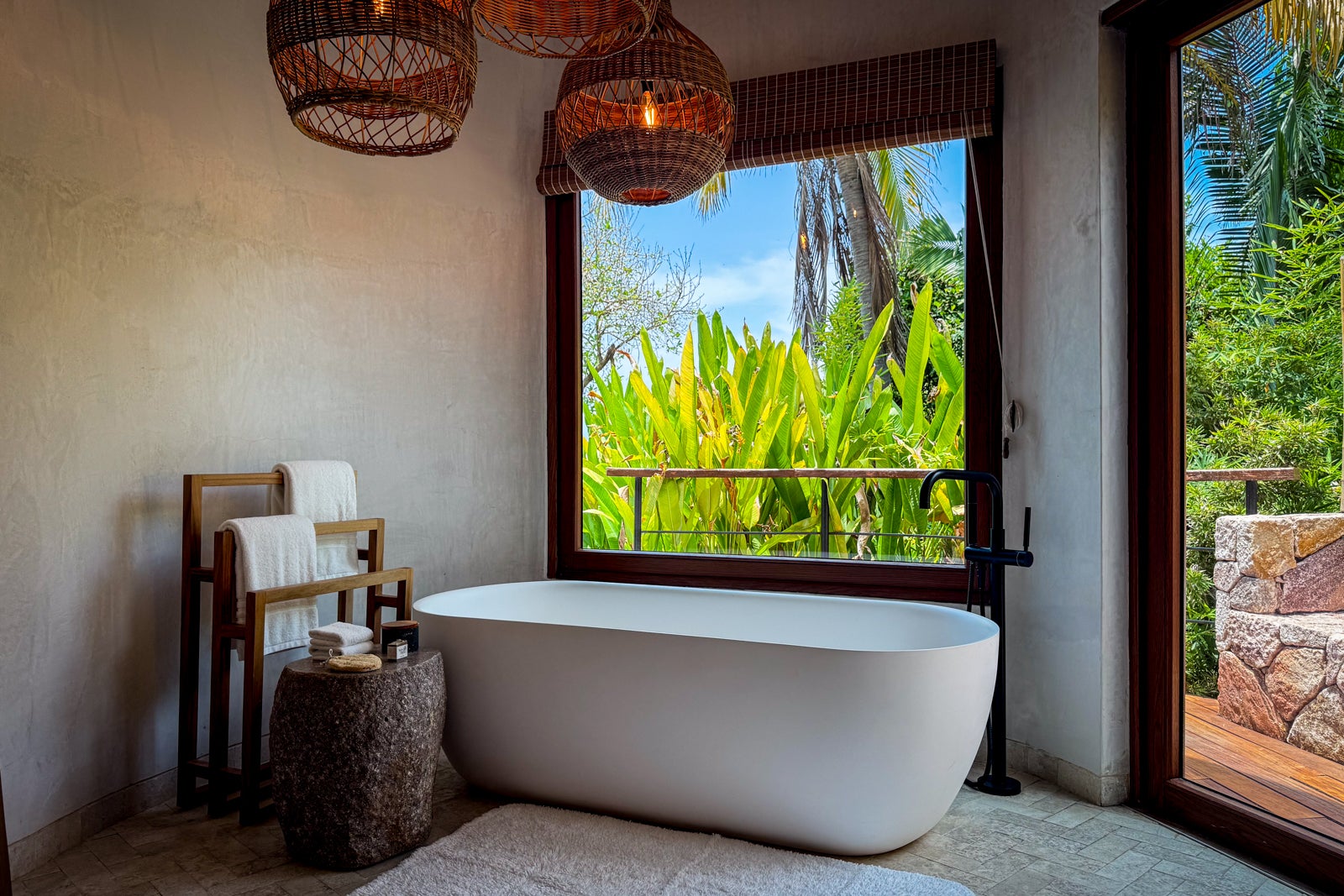
Hotels frequently adopt design trends that, despite initial appeal, ultimately detract from guest comfort and practicality, according to an interior designer's critique. While individual homeowners might experiment with decor that proves less functional over time, hotels possess dedicated teams of architects and designers tasked with optimizing the guest experience through extensive focus groups. Nevertheless, certain design decisions persist, often driven by fleeting trends, attempts to save space at the expense of privacy, or a failure to anticipate diverse guest needs. These choices, while sometimes interesting for a short stay, are identified as areas where hotels could improve for a more universally comfortable experience.
One prevalent design choice that draws criticism is the placement of bathtubs in the middle of the bedroom. This layout, often found in smaller urban accommodations or renovated older buildings, can disrupt the flow of the room and create an awkward separation between sleeping and bathing areas. The designer notes that while this might have been a necessity in cramped living spaces or a stylistic choice in certain boutique hotels, it frequently sacrifices privacy and convenience for guests who prefer a more traditional bathroom setup. The practicalities of managing water splashes and maintaining privacy are often overlooked in favor of a visually striking, yet functionally compromised, arrangement.
Another frequently observed and criticized design element is the use of all-glass bathrooms. These bathrooms, where the shower and toilet are enclosed in transparent or semi-transparent glass, offer minimal privacy. This design is particularly problematic for couples or families sharing a room, as it eliminates any sense of personal space during essential daily routines. The designer argues that while such designs might aim for a modern aesthetic or to make small bathrooms feel larger, they fundamentally disregard the need for privacy that most guests expect and require in a hotel setting. The lack of soundproofing and visual barriers can lead to significant discomfort and embarrassment.
Beyond these specific examples, the designer points to other problematic trends. These include the proliferation of all-white bedding, which, despite its luxurious appearance, is highly susceptible to stains and difficult to maintain, as illustrated by a personal anecdote involving a pet. The use of hard, unyielding materials in seating and common areas, the incorporation of overly minimalist furniture that lacks ergonomic support, and the placement of televisions in inconvenient viewing angles are also cited. Furthermore, the trend of integrating workspaces into bedroom areas without adequate separation or soundproofing, and the reliance on harsh, unadjustable lighting systems are highlighted as common design missteps. The designer advocates for a return to more thoughtful, guest-centric design principles that prioritize comfort, functionality, and privacy over transient aesthetic trends.
Original source — read the full reporting at the publisher:
Read on The Points GuyGet the weekly AI digest
AI news + new model releases, weekly. Drafted by our agents, reviewed by humans.