By Interestana AI Editorial — AI-drafted, human-overseen. How we report
Valparaíso's Historic Funiculars: More Than Just a Tourist Attraction, They're the City's Lifeline
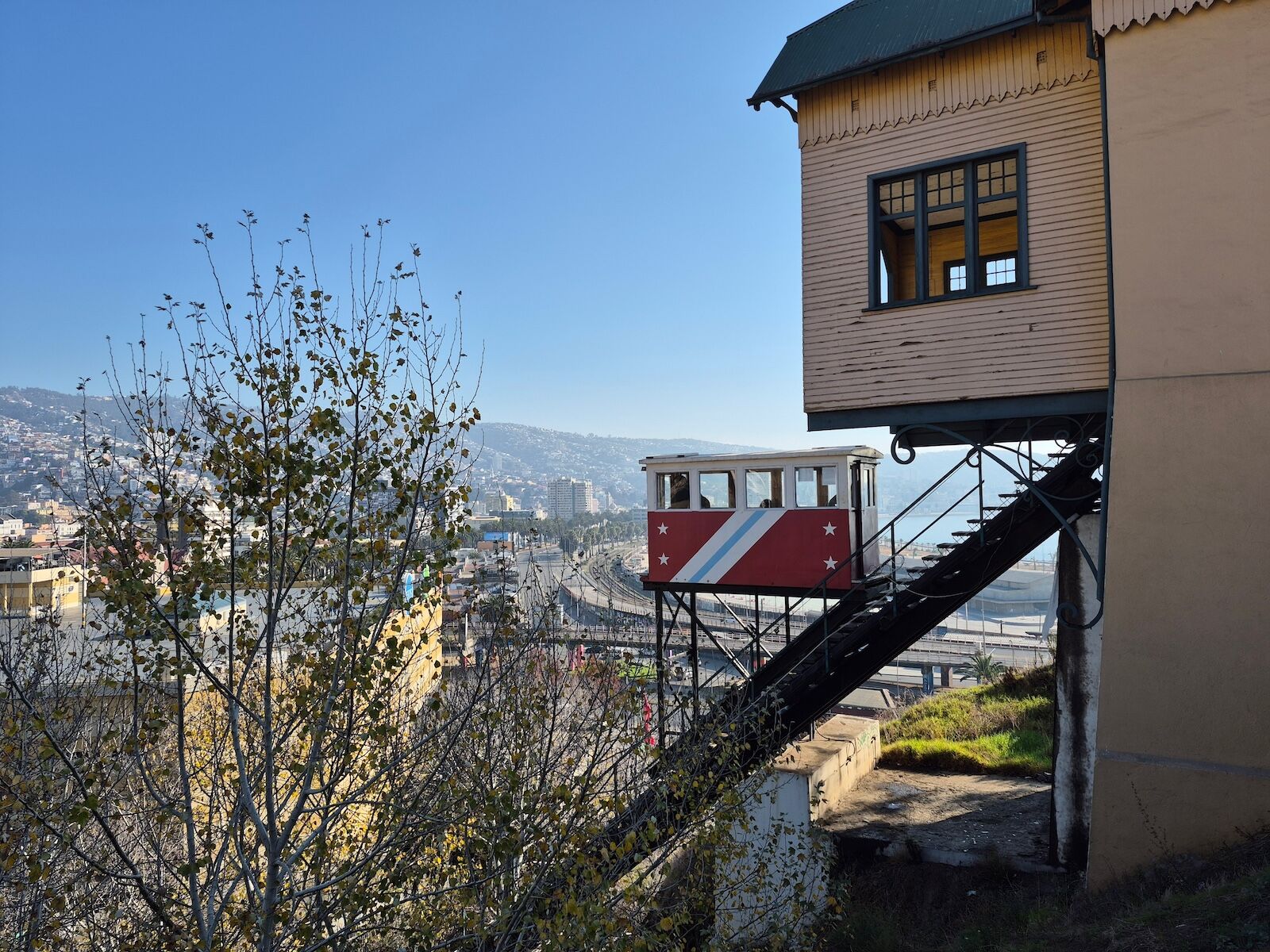
Valparaíso, a UNESCO World Heritage site renowned for its vibrant street art and steep, winding hills, relies heavily on a network of historic funicular railways, known locally as ascensores. These iconic, boxy cabins have been a quiet, low-impact, and remarkably efficient mode of transport, ascending and descending the city's challenging topography since their inception in 1883. Long before visitors step inside these charming vehicles, they are likely to encounter artistic depictions of them, as the ascensores have become as emblematic of Valparaíso as its famously painted streets, serving as a significant muse for local artisans and "porteño makers." However, for the residents of Valparaíso, these ascensores represent far more than just a picturesque tourist attraction; they are an indispensable part of daily life, and their continued operation is facing significant threats.
Pilar Espinoza Figueroa, president of the Association of Elevator Users in Valparaíso (Ascenval), a citizen-led organization founded in 2021, articulates this critical distinction. "For years, the ascensores were seen simply as tourist attractions, but they are more than that: they are a form of public transport, they boost the local economy, they connect people, facilitate movement, and contribute to neighborhood life and social interaction," she explains. Ascenval's primary mission is to ensure the ascensores remain operational, viewing them as a vital solution for reducing pressure on the city's increasingly congested roads and, crucially, for preventing social isolation among residents living in the upper neighborhoods. Fellow board member Andrés Rodrigo Valenzuela Ormeño further emphasizes their unique suitability: "It is a mode of transport suited to the city’s geography, and it is also part of Valparaíso’s identity." He elaborates on their essential function, stating, "Ascensores connect the neighborhoods on the hills with the flat area where most of the shops, workplaces, educational establishments, and other services are located."
The origins of these ingenious machines are rooted in necessity. As Valparaíso's status as a major seaport boomed during the late 19th century, a rapid influx of workers required a practical and efficient means to travel between the bustling docks and the burgeoning hillside communities. In their golden age, Valparaíso boasted over 30 active funiculars. Many of these were progressively upgraded from earlier steam or water-powered systems to electric power, a transition that significantly enhanced their operational efficiency and reduced their environmental impact and reliance on fossil fuels. The reliability and frequency of the service are consistently praised. As one observer noted, "It is a reliable and frequent service; it does not pollute or cause congestion. In some cases, it’s the only option apart from walking." The enduring legacy of this system is exemplified by Ascensor Barón, which was constructed in 1906 and continues to serve the city today, a testament to the robust engineering and lasting utility of Valparaíso's historic ascensores.
Original source — read the full reporting at the publisher:
Read on Matador NetworkGet the weekly AI digest
AI news + new model releases, weekly. Drafted by our agents, reviewed by humans.