By Interestana AI Editorial — AI-drafted, human-overseen. How we report
White House Cabinet Midterm Travel Tied to Election Competitiveness
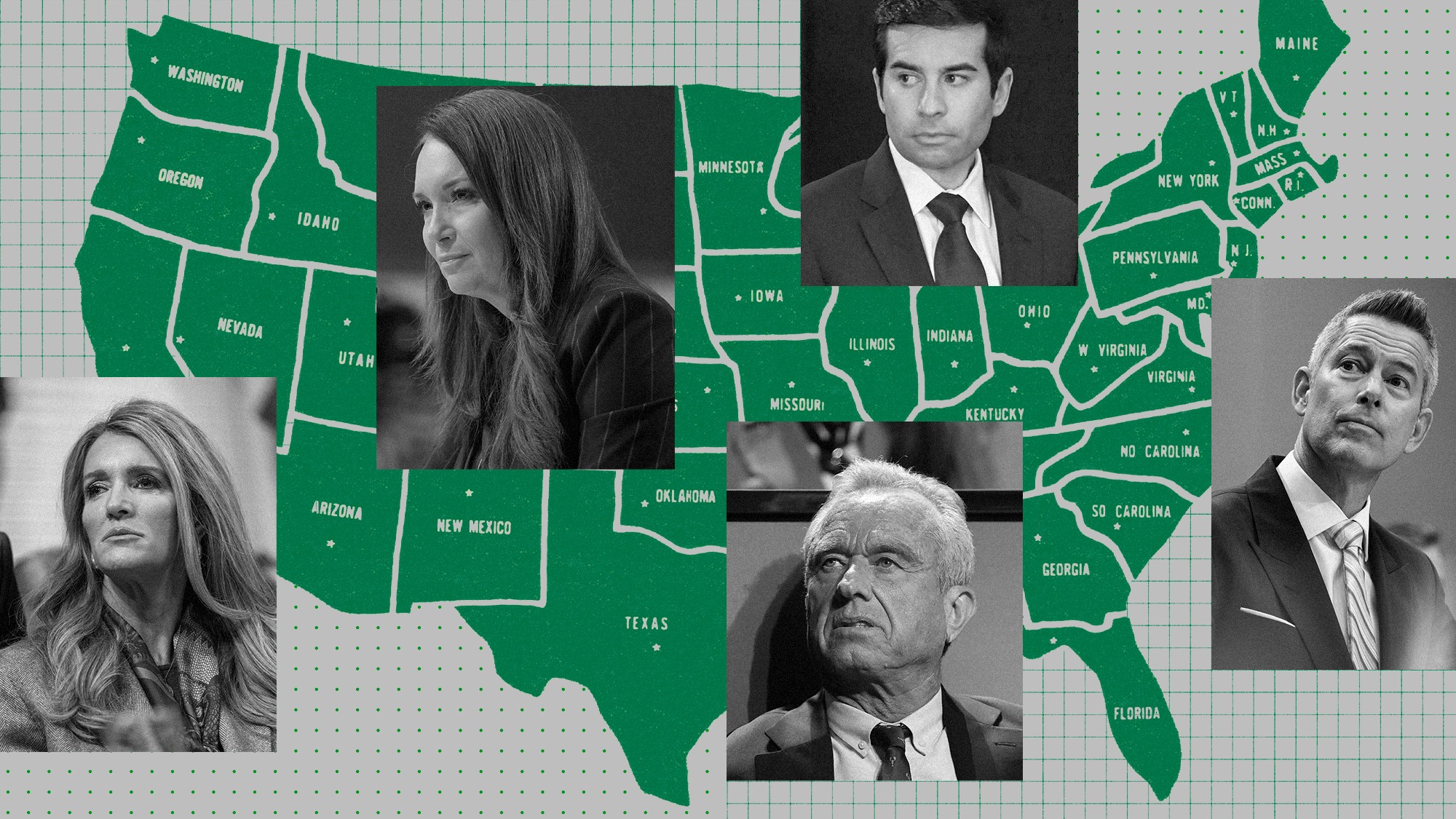
White House cabinet members were incentivized to travel to congressional districts and states that were identified as having competitive midterm elections, according to an internal memo and interviews with officials. This initiative, described as a "midterm-travel sweepstakes," aimed to leverage the presence of high-ranking administration officials to bolster Democratic candidates in crucial races during the 2022 election cycle. The program awarded points and praise to cabinet secretaries and other senior officials based on the political competitiveness of the districts and states they visited. The underlying goal was to maximize the impact of these high-profile visits on voter turnout and candidate perception in areas where the outcome of the election was considered uncertain.
Internal documents and sources revealed that the White House Political Strategy team played a central role in identifying these target areas. They developed a system to rank congressional districts and states based on their electoral competitiveness, likely using polling data, historical voting records, and demographic information. Cabinet members were then encouraged to schedule their official travel, where possible, to these high-priority locations. The memo outlined that visits to districts with a smaller margin of victory in previous elections, or those identified as swing districts, would yield more points. This strategic allocation of executive branch resources was intended to provide a tangible benefit to the Democratic Party's efforts to retain control of Congress.
The initiative underscores a broader trend of increased political engagement from the executive branch in electoral campaigns, particularly in closely contested races. While cabinet members often engage in official travel that can have political implications, this program appears to have formalized and quantified the political benefit of their travel. The "sweepstakes" aspect suggests a competitive element among cabinet members to demonstrate their contribution to the party's electoral success. The White House's Political Strategy team was responsible for tracking these visits and presumably reporting on their effectiveness, although the specific metrics for success were not detailed in the provided information. The program aimed to ensure that the administration's resources, including the visibility and influence of its top officials, were strategically deployed to support candidates in the most critical electoral battles.
This approach highlights the White House's efforts to integrate political strategy into the day-to-day operations of government agencies. By tying travel to electoral competitiveness, the administration sought to create a direct link between official duties and campaign objectives. The success of this program would likely be measured by the electoral performance of the candidates in the districts and states visited by cabinet members. The initiative reflects a sophisticated understanding of political messaging and resource allocation, aiming to maximize the return on investment for each high-profile visit. The program's existence suggests a deliberate effort to harness the power of presidential appointments and cabinet-level influence in the pursuit of specific political outcomes during a critical election period.
Original source — read the full reporting at the publisher:
Read on The AtlanticGet the weekly AI digest
AI news + new model releases, weekly. Drafted by our agents, reviewed by humans.