By Interestana AI Editorial — AI-drafted, human-overseen. How we report
Dover Unrest Highlights UK's Far-Right Extremism Failures
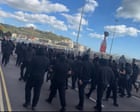
The events at the port of Dover last weekend, involving masked men in uniform chanting "stop the boats," exposed significant flaws in Britain's preparedness for and response to far-right extremism. Videos circulating showed a mass intimidation event, described as novel and disturbing, reminiscent of tactics not seen in Britain since the 1930s. Despite the clear nature of the disruption, UK police and intelligence agencies were reportedly caught by surprise. This lack of anticipation is particularly concerning given that residents in a village 18 miles away had attempted to report suspicious activity on the preceding Friday. These residents alerted authorities to dozens of men congregating and issuing threats to "go to Dover" and "attack Muslims," indicating a planned escalation that was not adequately addressed.
The official response from authorities, who initially labelled the incident a "protest," failed to acknowledge the overt intimidation and potential for violence. This characterization downplayed the organized nature of the group and their explicit intent to confront and intimidate. The incident has raised serious questions about the effectiveness of current intelligence gathering and threat assessment mechanisms within the UK's security apparatus concerning domestic extremist groups. The failure to act on prior warnings suggests a critical gap in understanding and monitoring the evolving tactics of far-right organizations.
This episode in Dover underscores a broader challenge for the UK government in confronting the rise of far-right extremism. Critics argue that the authorities have been too slow to recognize the severity and organized nature of these groups, often underestimating their capacity for coordinated action. The incident highlights a potential disconnect between the public perception of such events, often captured and disseminated through social media, and the official intelligence assessments. The "stop the boats" slogan itself has become a rallying cry for anti-immigration sentiment, and its deployment in such a confrontational manner at a key port suggests a deliberate attempt to provoke and disrupt.
The implications of the Dover unrest extend beyond immediate security concerns. It raises questions about the government's strategy for countering hate speech and extremist ideologies that fuel such actions. The incident may necessitate a review of counter-terrorism legislation and policing strategies to better address threats posed by domestic extremist groups, particularly those that operate with a degree of public visibility and coordination. The failure to prevent or swiftly contain the disruption at Dover suggests that current measures are insufficient to deter or disrupt such organized displays of extremism, leaving communities vulnerable to intimidation and fear.
Original source — read the full reporting at the publisher:
Read on The Guardian WorldGet the weekly AI digest
AI news + new model releases, weekly. Drafted by our agents, reviewed by humans.