By Interestana AI Editorial — AI-drafted, human-overseen. How we report
Fauci's Public Health Empire Dissolves Post-Retirement
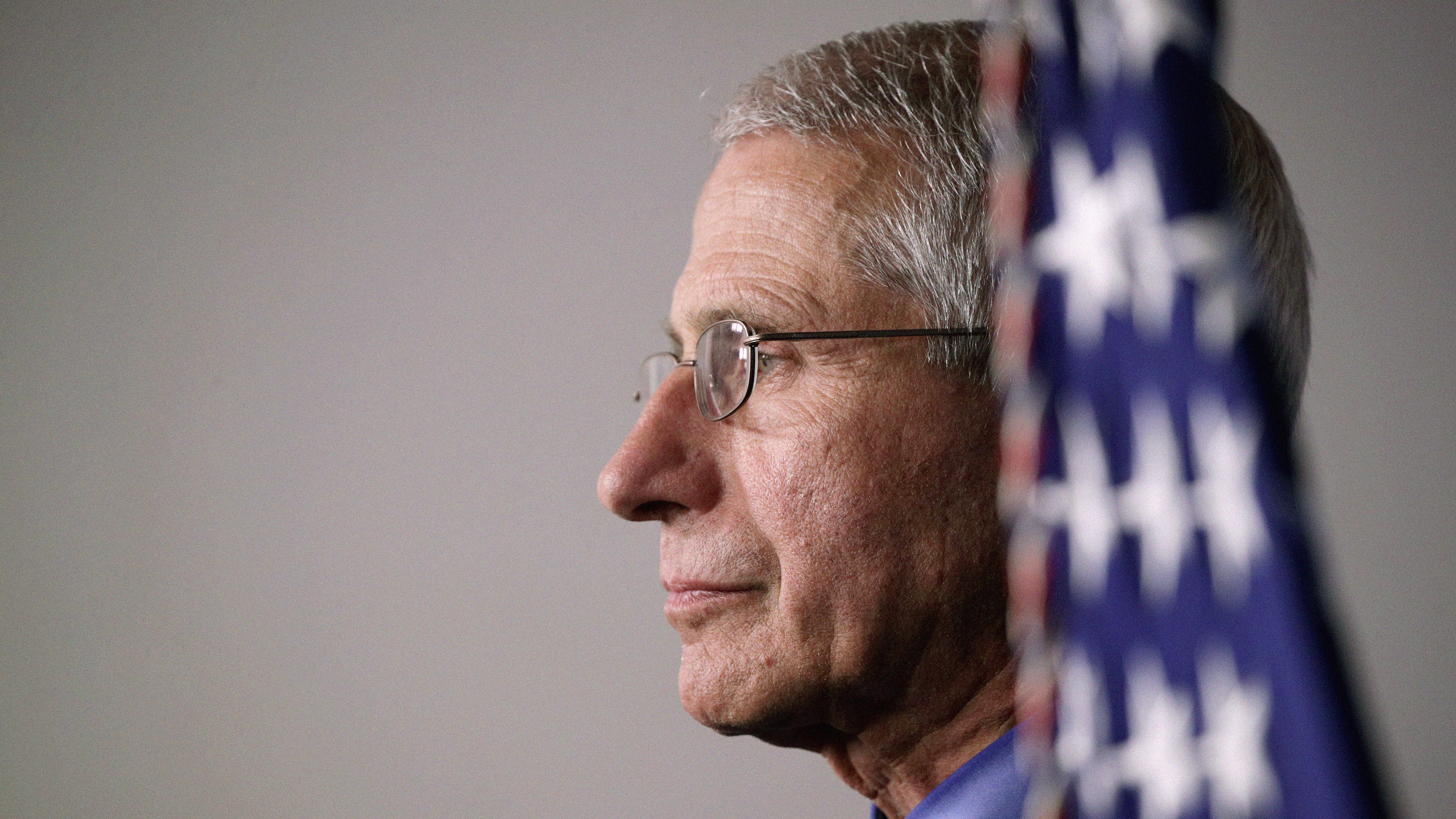
Dr. Anthony Fauci's extensive and influential career as a leading figure in U.S. public health has concluded with his retirement, signaling the end of an era marked by decades of service and significant policy impact. Fauci, who served as Director of the National Institute of Allergy and Infectious Diseases (NIAID) for 38 years and as Chief Medical Advisor to the President, stepped down in December 2022. His departure marks a substantial shift in the leadership and direction of infectious disease research and public health strategy in the United States. During his tenure, Fauci became a globally recognized face, particularly for his prominent role in advising the nation on the HIV/AIDS epidemic, the West Nile virus, the H1N1 influenza pandemic, and most recently, the COVID-19 pandemic. His public profile grew immensely during the COVID-19 crisis, where he frequently appeared in media briefings and congressional hearings, becoming a primary source of information and guidance for the public and policymakers. However, his long-standing influence also drew considerable scrutiny and criticism, particularly in the latter part of his career. The intense political polarization surrounding public health measures during the COVID-19 pandemic led to increased pressure and personal attacks. Post-retirement, the infrastructure and influence that were closely associated with his leadership at NIAID are now undergoing a transition. The institute, a critical component of the National Institutes of Health (NIH), plays a pivotal role in funding and conducting research on a vast array of infectious and immune-mediated diseases. Fauci's legacy is complex, encompassing groundbreaking scientific contributions and a deep involvement in shaping national health policy. His retirement leaves a void in a position that has been synonymous with his name for nearly four decades. The subsequent leadership at NIAID and the broader public health apparatus will now navigate the ongoing challenges of emerging infectious diseases and global health security without his direct, long-term guidance. The unmaking of his public health empire, as described, refers to the dissolution of the singular, dominant presence he represented, allowing for a new phase of leadership and strategic development within the institutions he helmed.
Original source — read the full reporting at the publisher:
Read on The AtlanticGet the weekly AI digest
AI news + new model releases, weekly. Drafted by our agents, reviewed by humans.