By Interestana AI Editorial — AI-drafted, human-overseen. How we report
EV Prices Narrow Gap With Gas Cars, Incentives Less Crucial
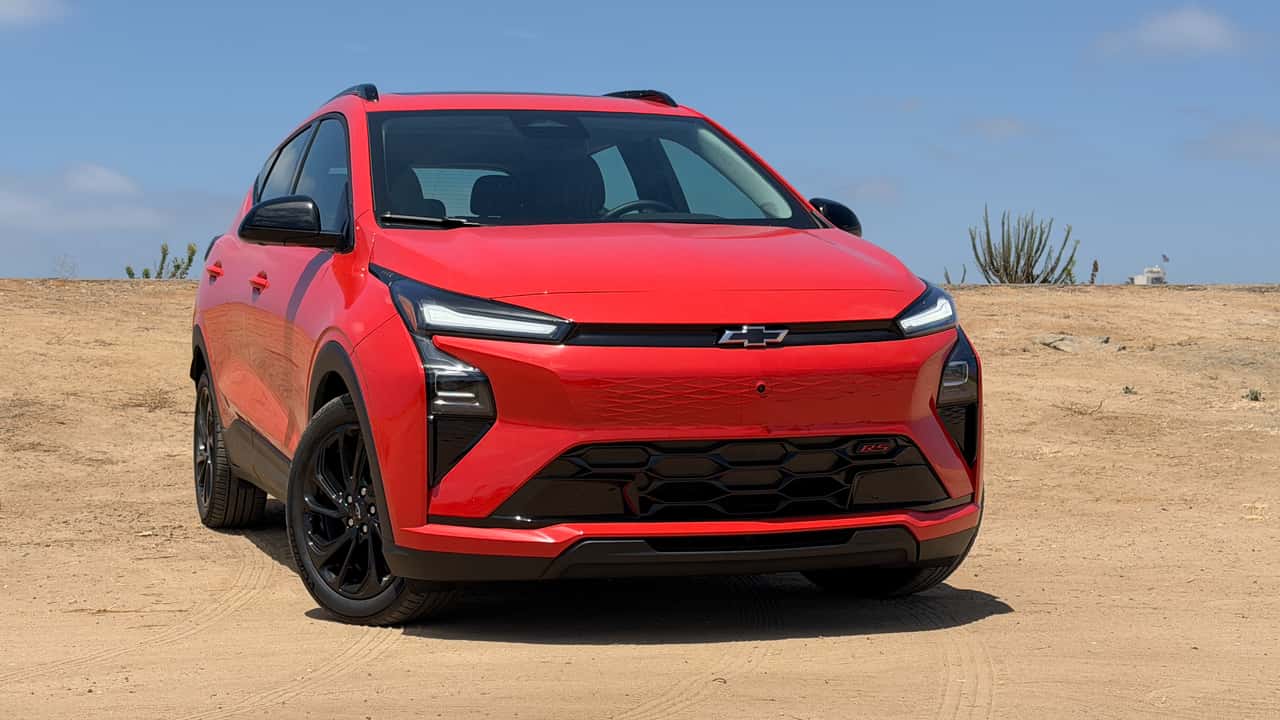
The price difference between new electric vehicles (EVs) and gasoline-powered cars has significantly narrowed, with the average EV now costing only 9.4% more than its internal combustion engine (ICE) counterpart. This development signifies a crucial step towards price parity, a long-anticipated milestone in the widespread adoption of electric mobility. Historically, the higher upfront cost of EVs has been a primary barrier for many consumers, often necessitating substantial government incentives or tax credits to bridge the gap. However, the latest data suggests that this reliance on incentives is diminishing as the underlying manufacturing costs and market dynamics evolve.
Several factors contribute to this convergence in pricing. Firstly, advancements in battery technology and manufacturing scale have led to a steady decline in the cost of battery packs, which represent a significant portion of an EV's total price. As production volumes increase, economies of scale further drive down per-unit costs. Secondly, automakers are increasingly investing in EV platforms and production lines, leading to more efficient manufacturing processes and a wider range of EV models across different segments, from sedans to SUVs. This increased competition also pressures manufacturers to optimize pricing strategies.
While incentives have played a vital role in stimulating EV demand and supporting the nascent industry, their decreasing influence on the price gap indicates a maturing market. The reduction in the percentage difference means that fewer consumers may require direct financial assistance to make the switch to an EV. This shift is critical for long-term market sustainability, as it suggests that EVs are becoming economically viable based on their intrinsic value and operational costs rather than solely on subsidies. The trend suggests that the market is moving towards a point where EVs can compete effectively with gasoline cars on price alone, accelerating their adoption.
This narrowing price gap is a positive indicator for the future of the automotive industry, which is undergoing a profound transformation towards electrification. As EVs become more affordable, they are expected to capture a larger share of the new car market. This transition is not only driven by consumer demand but also by regulatory pressures and environmental concerns aimed at reducing carbon emissions from transportation. The continued evolution of battery technology, charging infrastructure, and vehicle efficiency will further solidify the position of EVs as a mainstream alternative to traditional gasoline vehicles, making the 'trend is clear' for a more electrified automotive landscape.
Original source — read the full reporting at the publisher:
Read on InsideEVsGet the weekly AI digest
AI news + new model releases, weekly. Drafted by our agents, reviewed by humans.