By Interestana AI Editorial — AI-drafted, human-overseen. How we report
E-Bike vs. Moped Classification Debate Intensifies
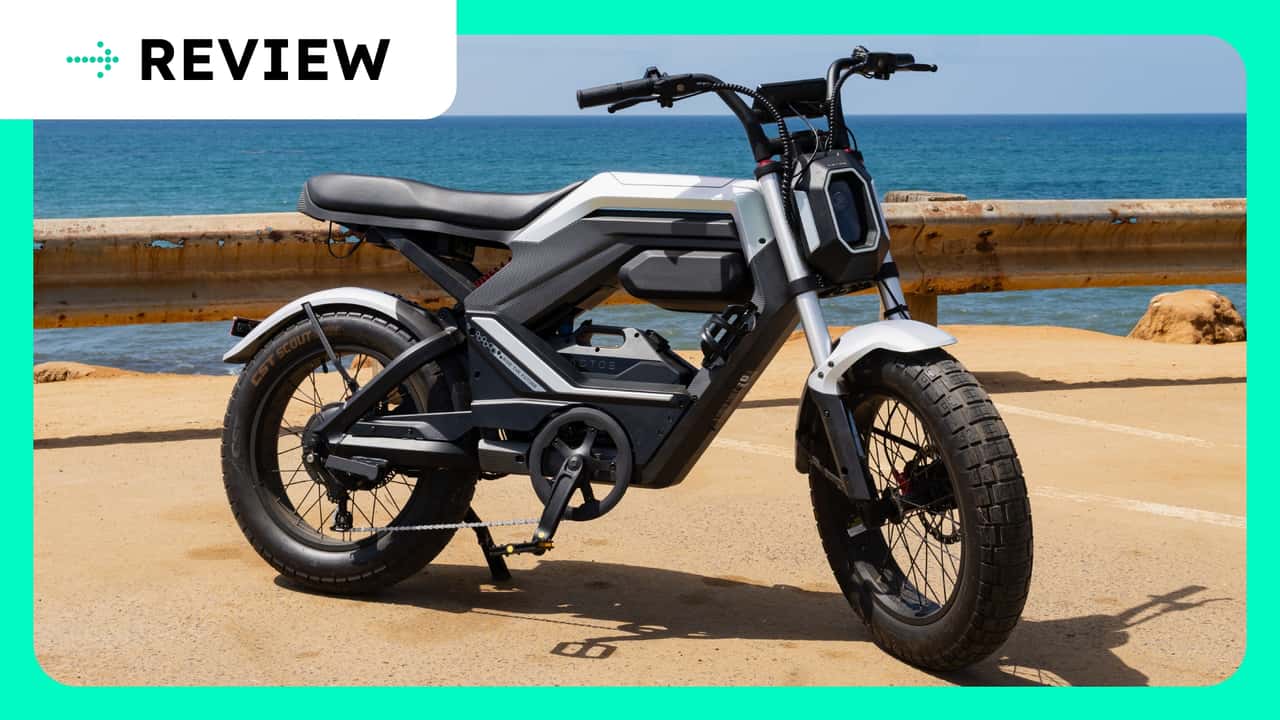
The distinction between electric bicycles (e-bikes) and electric mopeds is becoming increasingly blurred, leading to confusion for consumers and regulatory bodies alike. This ambiguity stems from the evolving nature of electric two-wheeled vehicles, which often incorporate features that straddle the traditional definitions of both categories. E-bikes are generally understood to be pedal-assist bicycles, meaning the electric motor provides assistance only when the rider is pedaling, and typically have lower speed and power limitations. In contrast, mopeds are often defined by their ability to be propelled solely by a motor, with higher speed capabilities and sometimes requiring a license or registration.
The core of the debate lies in how manufacturers are designing and marketing these vehicles. Some electric two-wheelers feature throttle-only operation, which aligns more closely with the definition of a moped, yet they may be marketed and sold as e-bikes. Conversely, some vehicles that offer robust pedal-assist functionality might also have higher top speeds or more powerful motors than traditionally associated with e-bikes, leading to questions about their legal classification. This can create a patchwork of regulations across different jurisdictions, where a vehicle might be considered an e-bike in one area and a moped in another, necessitating different licensing, insurance, and operational rules.
This classification challenge has significant implications. For consumers, it affects their understanding of what they are purchasing, their legal obligations when operating the vehicle, and their eligibility for certain consumer protections or incentives. For regulators, it complicates the development and enforcement of safety standards, traffic laws, and taxation policies. The rapid pace of technological advancement in battery and motor efficiency means that electric two-wheelers are continually pushing the boundaries of existing definitions. As a result, there is a growing need for clearer, updated regulatory frameworks that can accommodate these innovations while ensuring public safety and a consistent market environment. The industry and policymakers are grappling with how to define these vehicles in a way that is both technically accurate and practically enforceable, ensuring that the intended use and safety profiles of these electric vehicles are properly understood and regulated.
Original source — read the full reporting at the publisher:
Read on InsideEVsGet the weekly AI digest
AI news + new model releases, weekly. Drafted by our agents, reviewed by humans.