By Interestana AI Editorial — AI-drafted, human-overseen. How we report
Tesla Cybercab Eliminates Brake Lines and Fluid
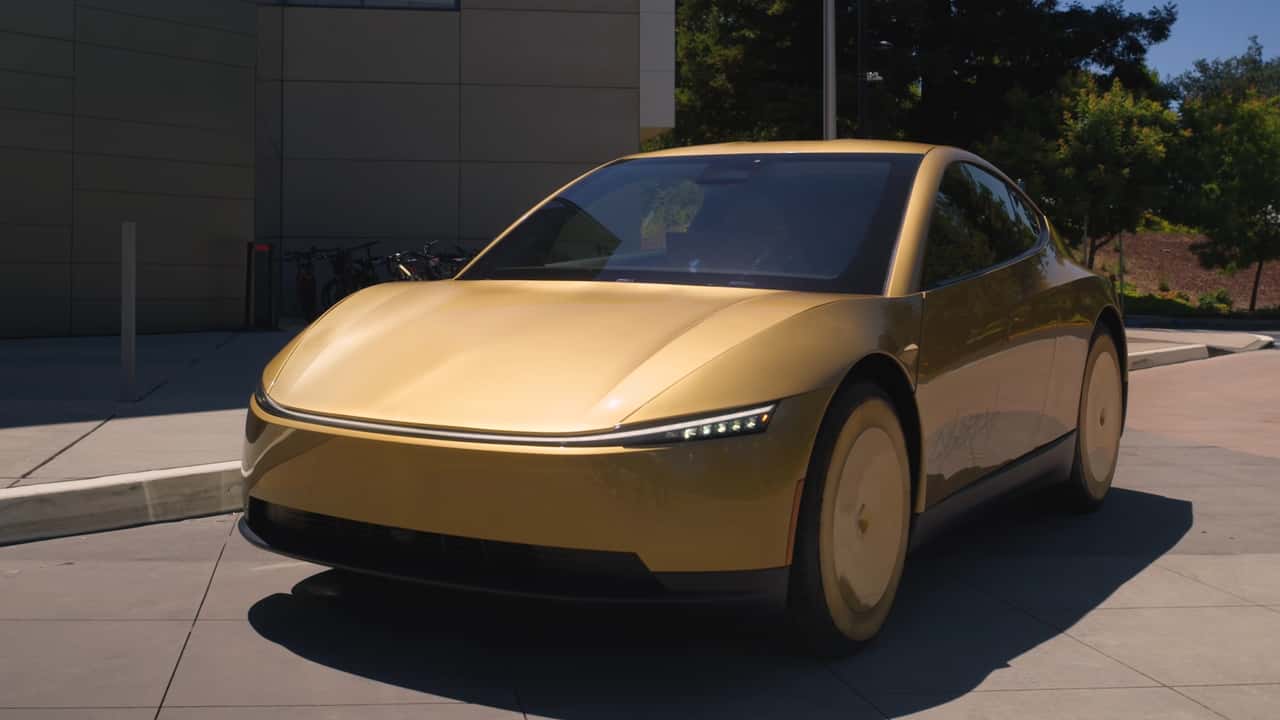
Tesla's upcoming Cybercab robotaxi prototype, designed for its autonomous ride-hailing service, has eliminated traditional hydraulic brake lines and brake fluid. This significant engineering departure necessitates a completely new system for deceleration and stopping. The vehicle, which also lacks a conventional steering wheel and pedals, requires an innovative approach to vehicle control. Instead of hydraulic fluid being pushed through lines to activate brake calipers, the Cybercab is expected to utilize a fully electronic braking system. This could involve individual electric motors at each wheel that can apply braking force directly, or a sophisticated regenerative braking system that captures energy during deceleration and feeds it back into the battery. Such a system would offer several potential advantages, including faster response times, more precise control over braking force at each wheel, and reduced maintenance requirements due to the absence of fluid leaks and wear on hydraulic components. The elimination of brake fluid also removes a potential environmental hazard. Tesla has been a pioneer in electric vehicle technology, and this move further pushes the boundaries of automotive engineering, particularly in the realm of autonomous driving systems where precise and reliable control is paramount. The development of the Cybercab is a key component of Tesla's broader strategy to deploy a large-scale autonomous ride-sharing network, which CEO Elon Musk has discussed extensively. The company aims to leverage its existing fleet of electric vehicles and its advanced Autopilot and Full Self-Driving (FSD) software to create a new mobility service. The Cybercab's unique design, including its lack of traditional controls, is intended to optimize it for fully autonomous operation, where human intervention is not required. The specific technical details of how the Cybercab's braking system will function are not yet fully disclosed, but the absence of hydraulic components marks a significant shift from conventional automotive design. This innovation aligns with Tesla's history of challenging established automotive norms and integrating advanced software and hardware solutions to enhance vehicle performance and efficiency. The successful implementation of this brake-by-wire system will be crucial for the safety and reliability of the Cybercab when it eventually enters public service, potentially setting a new standard for future autonomous vehicle designs.
Original source — read the full reporting at the publisher:
Read on InsideEVsGet the weekly AI digest
AI news + new model releases, weekly. Drafted by our agents, reviewed by humans.