By Interestana AI Editorial — AI-drafted, human-overseen. How we report
Supreme Court Blocks Trump's Election Interference Plan
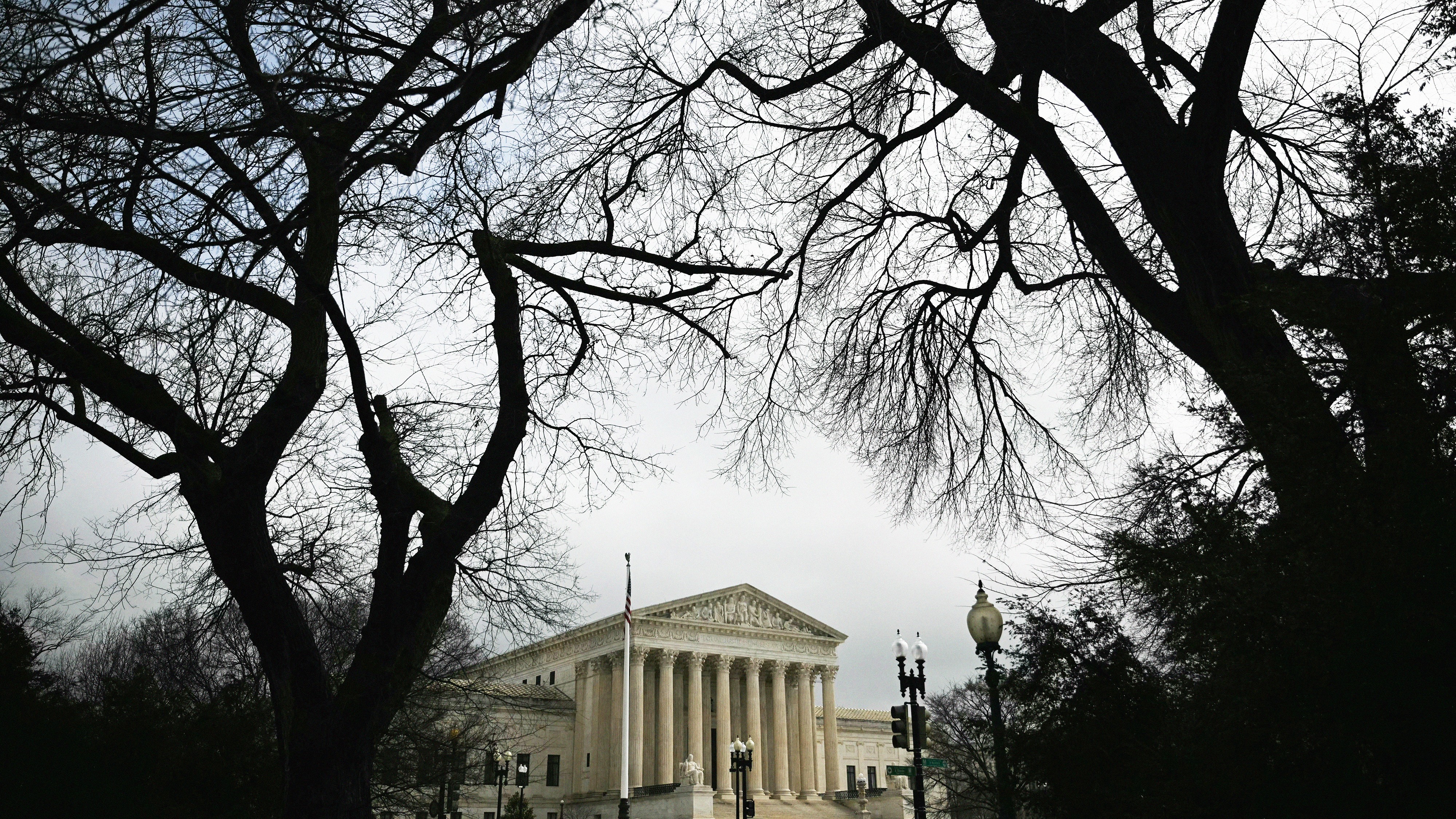
The Supreme Court, in a 6-3 decision on July 2, 2024, ruled against a plan that would have allowed presidents to remove federal officials deemed disloyal, a move widely seen as a significant check on presidential power and a safeguard against election interference. This ruling, in the case of *Trump v. United States*, effectively blocked a key component of a potential second term agenda for former President Donald Trump, which aimed to reshape the federal bureaucracy by enabling the swift dismissal of officials perceived as obstacles to his policy goals. The majority opinion, authored by Justice Elena Kagan, emphasized the importance of maintaining a stable and functional government, free from the arbitrary removal of civil servants based on personal loyalty rather than performance or adherence to law. The decision prevents a president from unilaterally purging departments of career officials, a scenario that critics argued could lead to widespread chaos and politicization of government functions, particularly in the lead-up to or aftermath of an election.
The legal challenge centered on the interpretation of presidential authority over the executive branch and the role of Congress in establishing the structure and personnel of federal agencies. The specific provision at issue was a broad interpretation of the "take care" clause of the Constitution, which proponents of the plan argued granted the president inherent power to ensure that the laws are faithfully executed by loyal subordinates. However, the Court's majority found this interpretation to be an overreach, citing historical precedent and the need for a professional civil service insulated from partisan whims. Justice Kagan wrote that allowing such broad removal powers would "render the executive branch susceptible to the president's personal whims, undermining the rule of law and the stability of government."
This decision has significant implications for the future of presidential power and the independence of the federal bureaucracy. It reinforces the principle that while the president is the head of the executive branch, their authority to remove officials is not absolute and is subject to congressional oversight and established legal frameworks. The dissenting justices, led by Justice Clarence Thomas, argued that the Constitution grants the president broad authority to manage the executive branch and that Congress cannot unduly restrict this power. They contended that the majority's decision unduly limits the president's ability to ensure the effective execution of laws by appointing officials who align with their policy objectives. The ruling is expected to shape how future administrations approach personnel decisions and the management of federal agencies, particularly in sensitive areas such as national security and law enforcement.
The case originated from arguments made by former President Trump and his allies, who proposed a strategy to reassert presidential control over the administrative state, often referred to as "Schedule F." This plan, if implemented, would have reclassified tens of thousands of federal employees, making them at-will employees subject to easier dismissal. The Supreme Court's rejection of this broad interpretation of presidential removal power means that such a large-scale reclassification and subsequent purge of the civil service is unlikely to be permissible under current legal interpretations. The decision underscores the judiciary's role in arbitrating disputes over the balance of power between the executive and legislative branches and in defining the boundaries of presidential authority, especially in contexts that could impact democratic processes and the functioning of government institutions.
Original source — read the full reporting at the publisher:
Read on The AtlanticGet the weekly AI digest
AI news + new model releases, weekly. Drafted by our agents, reviewed by humans.