By Interestana AI Editorial — AI-drafted, human-overseen. How we report
John Wilson's 'The History of Concrete' Explores Material's Invisibility
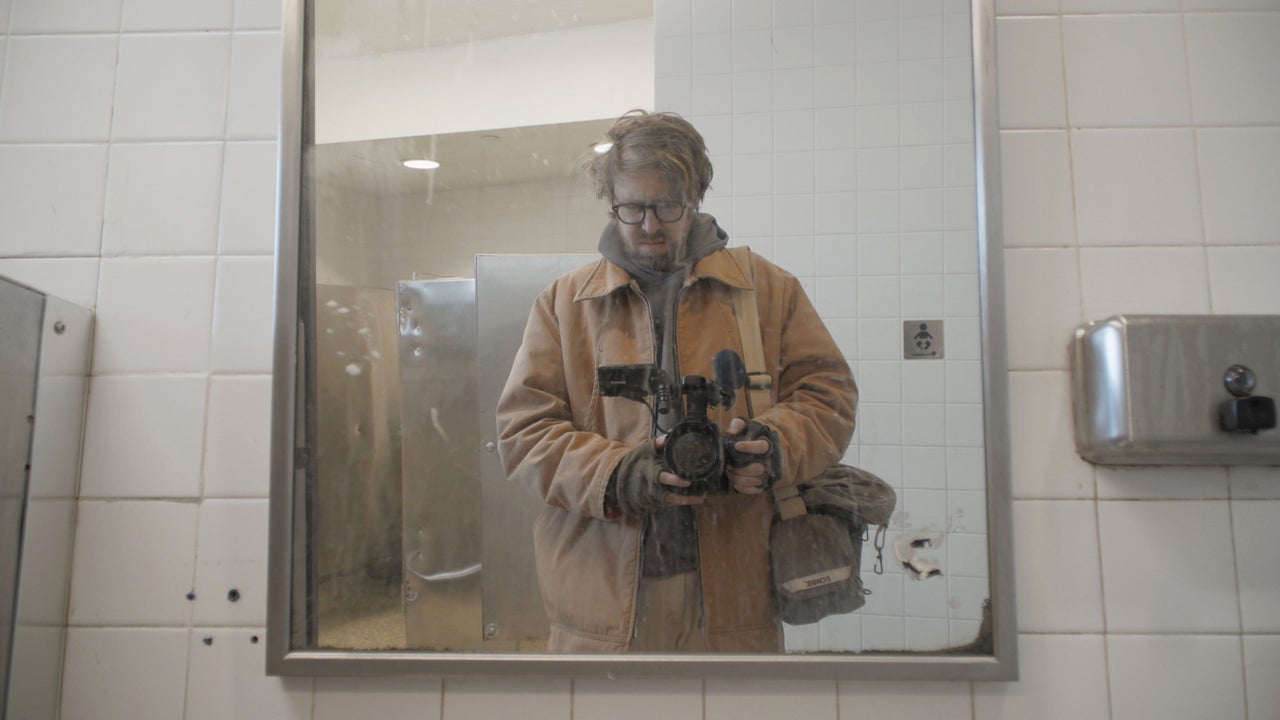
John Wilson's debut feature documentary, 'The History of Concrete,' diverges from its titular subject to explore broader themes of distraction and societal neglect, according to an analysis of the film. While the documentary is nominally about concrete, Wilson reportedly uses it as a springboard to examine unrelated topics, such as a man who removes tattoos from corpses for mementos and a New York park official discussing the removal of waste from public swimming pools. The film's approach suggests a deliberate avoidance of dwelling on concrete itself, a material Wilson seems to find too vast and demanding for sustained attention, a trait he attributes to modern sensibilities and attention deficits. The documentary's narrative structure, characterized by quick cuts and shifts in focus, inadvertently highlights the pervasive yet often overlooked nature of concrete in global infrastructure. The film posits that concrete's ubiquity makes it largely unseen, and this invisibility poses significant dangers. The peril arises not from concrete's inherent properties but from humanity's passive, distracted, or absent engagement with its implications, which can invite disaster. Concrete production is immense, with the world manufacturing 30 billion tons annually, exceeding all other building materials combined. This material, crucial for protective structures like seawalls necessary to mitigate climate change impacts, is paradoxically a significant contributor to the climate crisis. Cement, a primary component of concrete, is responsible for approximately 8% of climate-warming carbon emissions. The majority of new concrete is utilized in developing economies, particularly in China and India, rather than in the U.S. and Europe. Despite the film's tendency to pivot away from detailed discussions of concrete, it touches upon the vast scale of its production and its dual role in both exacerbating and addressing climate change challenges. The documentary's exploration of concrete's unseen presence and the societal disengagement it reflects underscores the material's profound, yet often unacknowledged, impact on daily life and the environment. Wilson's directorial style, marked by a quick-cutting and jumpy aesthetic, mirrors the very distraction he appears to be critiquing, making the film's commentary on attention and perception a central, albeit indirect, theme.
Original source — read the full reporting at the publisher:
Read on Fast CompanyGet the weekly AI digest
AI news + new model releases, weekly. Drafted by our agents, reviewed by humans.