By Interestana AI Editorial — AI-drafted, human-overseen. How we report
Tsar Samuel's Remains Return to Bulgaria After 60 Years
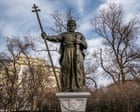
The remains of the medieval Bulgarian ruler Tsar Samuel are set to arrive in Bulgaria on Saturday, October 3, 2026, following a protracted dispute with neighboring Greece that spanned decades. The repatriation marks a significant cultural and historical event for Bulgaria, with extensive state honors planned for the occasion. The remains were originally discovered approximately 60 years ago in a border region of Greece. Upon their arrival in the Bulgarian capital, Sofia, they will be transported via a military aircraft. The reception ceremony is slated to include a fighter jet escort, a 21-gun salute, and a formal procession to the Church of St Sophia. This church will then open its doors to the public, allowing citizens to pay their respects to the historical figure. The Greek Prime Minister has expressed hope that this gesture of returning Tsar Samuel's remains could potentially influence Britain's decision regarding the return of the Parthenon Marbles to Greece. This diplomatic undertone highlights the broader context of cultural heritage repatriation and ongoing negotiations between nations. Tsar Samuel, who reigned in the late 10th and early 11th centuries, is a pivotal figure in Bulgarian history, known for his military campaigns and the establishment of the First Bulgarian Empire's territorial expansion. His reign is often associated with a period of significant national consolidation and defense against external threats, particularly the Byzantine Empire. The discovery of his remains in Greece, a territory that was historically contested and part of the Bulgarian Empire during his rule, has been a sensitive point in bilateral relations for many years. The successful negotiation for their return signifies a resolution to this long-standing issue, fostering goodwill between the two Balkan nations. The elaborate ceremony planned in Sofia underscores the deep reverence Bulgarians hold for their historical leaders and national heritage. The event is expected to draw significant attention both domestically and internationally, emphasizing the importance of historical continuity and national identity. The involvement of military assets in the repatriation, such as the fighter jet escort and the 21-gun salute, reflects the high regard in which Tsar Samuel is held and the solemnity of the occasion. The procession to the Church of St Sophia, a historically significant religious site in Sofia, further emphasizes the spiritual and cultural weight of the event. The public's ability to pay their respects is a key component of the ceremony, allowing for a collective national moment of remembrance and connection to the past. The Greek government's linkage of this repatriation to the Parthenon Marbles issue, currently held by the British Museum, suggests a strategic diplomatic approach aimed at leveraging cultural restitution as a tool for broader international negotiations on heritage.
Original source — read the full reporting at the publisher:
Read on The Guardian WorldGet the weekly AI digest
AI news + new model releases, weekly. Drafted by our agents, reviewed by humans.