By Interestana AI Editorial — AI-drafted, human-overseen. How we report
Rivian R2 Charging Speed Praised, Road Trip Capability Questioned
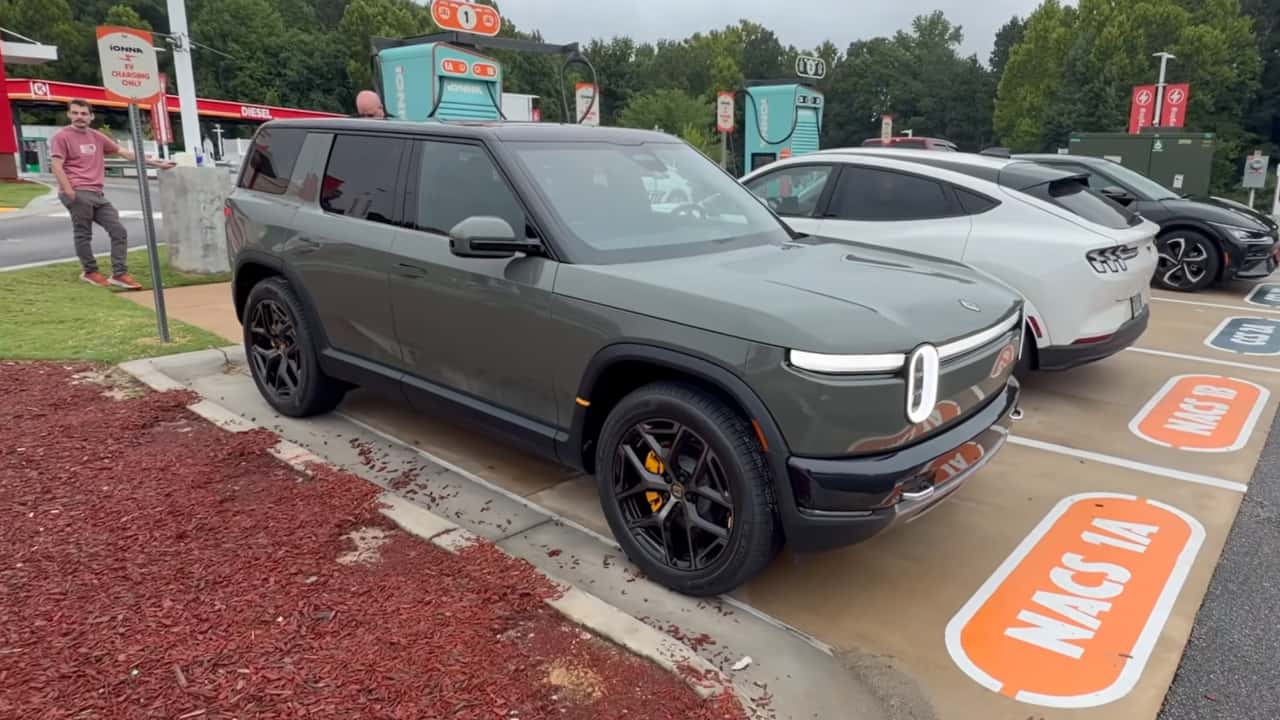
The Rivian R2 electric SUV has been lauded for its impressive charging capabilities, a key feature attributed to its adherence to a 400-volt battery architecture. This design choice, made to manage production costs, has not compromised the vehicle's ability to replenish its battery rapidly. The R2 is equipped to charge from 10% to 80% in approximately 30 minutes using DC fast charging, a performance metric that positions it competitively within the electric vehicle market. This rapid charging capability is crucial for mitigating range anxiety and enhancing the convenience of electric vehicle ownership, particularly for longer journeys.
Despite its strengths in charging, the Rivian R2's suitability for extended road trips has drawn some reservations. While the vehicle offers a practical package with a projected range of over 300 miles on a single charge, its overall road-tripping experience is described as "just fine" rather than exceptional. This assessment suggests that while the R2 can meet the basic requirements for long-distance travel, it may not offer the same level of comfort, refinement, or integrated features that some competitors provide for dedicated road-trippers. The vehicle's design prioritizes a balance of cost-effectiveness and performance, which may lead to compromises in certain areas of the driving experience over prolonged periods.
The R2's interior features a minimalist design with a large central touchscreen and a physical steering wheel, offering a blend of modern aesthetics and user-friendly controls. A notable interior feature is the ability to fold down both the second-row seats and the front passenger seat completely flat, creating a spacious cargo area that can accommodate items like surfboards or camping gear. This versatility enhances its appeal for outdoor enthusiasts and those who require flexible storage solutions. The vehicle also includes a rear liftgate with a power-operated rear window, a design element that further contributes to its utility for carrying larger items.
Rivian's decision to maintain the 400-volt system for the R2, rather than adopting the 800-volt architecture found in some newer EVs, is a strategic move aimed at cost reduction. While 800-volt systems can theoretically enable even faster charging speeds, the 400-volt architecture, when optimized, can still deliver very competitive charging times, as demonstrated by the R2. This approach allows Rivian to offer the R2 at a more accessible price point, with a starting price of $45,000, making it a more attainable option for a broader range of consumers. The company's strategy appears to be focused on delivering strong core EV performance and utility without unnecessary complexity or expense, thereby broadening its market reach.
Original source — read the full reporting at the publisher:
Read on InsideEVsGet the weekly AI digest
AI news + new model releases, weekly. Drafted by our agents, reviewed by humans.