By Interestana AI Editorial — AI-drafted, human-overseen. How we report
Princess Knight Adaptation Dulls Original Manga's Pioneering Spirit
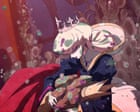
Yûki Igarashi's film "The Ribbon Hero" is the first major screen adaptation in decades of Osamu Tezuka's seminal postwar manga series, "Princess Knight." However, the adaptation is described as a conservative and anticlimactic reimagining that diminishes the source material's pioneering elements. The film focuses exclusively on the protagonist Sapphire's feminine side, a departure from the original manga, which was celebrated for its gender-flipping narrative and considered groundbreaking. Critics note that the characterization is bland and the plot adheres to conventional battle-anime tropes, failing to capture the innovative spirit of Tezuka's work.
The story follows Princess Sapphire, voiced by Saya, who is forced into exile after her home kingdom of Silverland is devastated by a Nergal, depicted as a gargantuan flying earwig. Accompanied by her lady-in-waiting Zirco, voiced by Mayumi Shintani, Sapphire seeks refuge in the neighboring Goldland. In dire need of funds, she takes a job in the mines that extract crystals used to appease the Nergal. During an attack, Sapphire falls into a crystal pool, which activates her head ribbon and transforms her into the titular Princess Knight. In this form, she possesses the ability to defeat the interdimensional creatures. A local noble named Velvet, voiced by Seiran Kobayashi, who is also seeking to free himself from the Nergal's oppression, observes Sapphire's transformation and actions with keen interest.
Osamu Tezuka, the creator of "Princess Knight," is renowned as the "god of manga" and is also known for his influential work "Astro Boy." His "Princess Knight" manga, originally serialized in the 1950s, explored themes of gender identity and societal expectations through its protagonist, Princess Sapphire, who possesses both a boy's and a girl's heart, allowing her to switch between male and female personas. This duality was a significant departure from the norms of manga at the time and contributed to its status as a pioneering work in the medium. The film's director, Yûki Igarashi, is making his directorial debut with this adaptation. The visual presentation of the film is noted as impressively animated, despite the criticisms leveled against its narrative and thematic choices. The review suggests that the film's sanitized and saccharine approach ultimately dilutes the impact of Tezuka's original, more complex storytelling.
Original source — read the full reporting at the publisher:
Read on The Guardian CultureGet the weekly AI digest
AI news + new model releases, weekly. Drafted by our agents, reviewed by humans.