By Interestana AI Editorial — AI-drafted, human-overseen. How we report
EVs Outperform Gas Cars For Climate, Study Finds
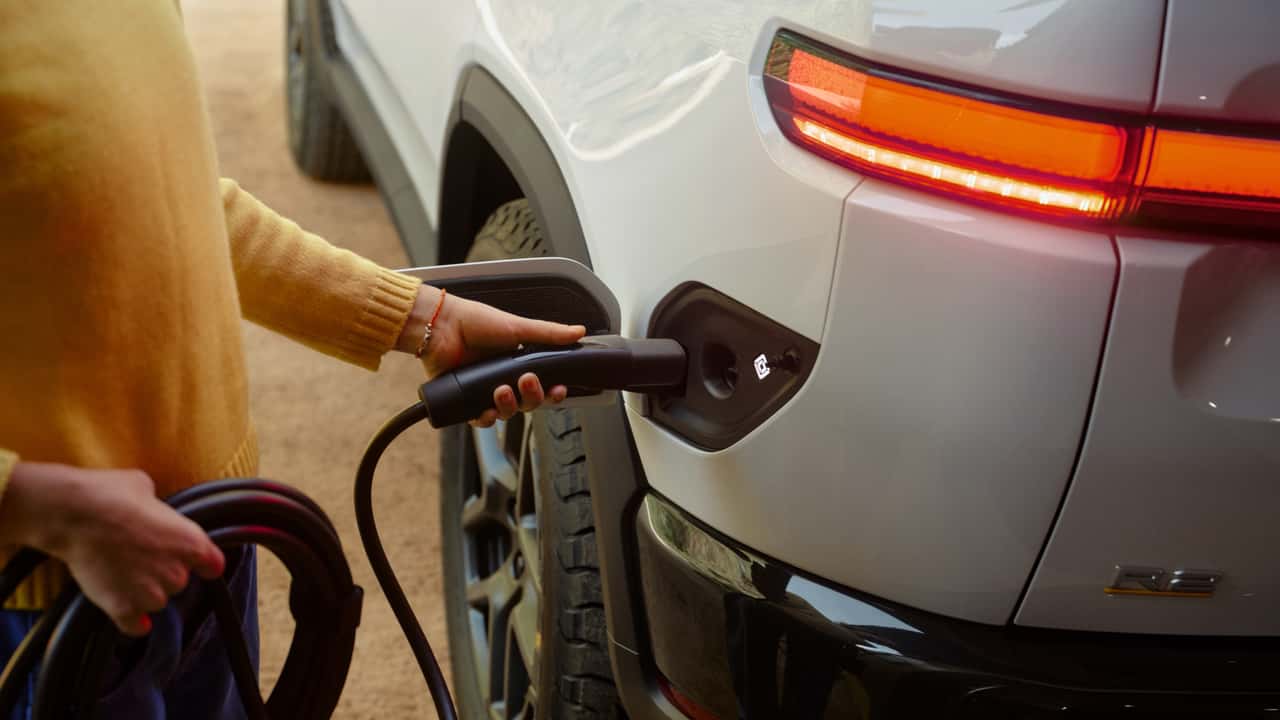
Replacing an internal combustion engine (ICE) vehicle with a new electric vehicle (EV) is demonstrably better for the climate, according to a recent study. This finding challenges some prior analyses that suggested the manufacturing emissions of EVs could offset their operational benefits, particularly in regions with less-than-pristine electricity grids. The study, which has not yet been peer-reviewed but was published by the International Council on Clean Transportation (ICCT), utilized a comprehensive lifecycle assessment approach to compare the environmental impact of EVs and ICE vehicles across various scenarios.
The research specifically examined the total greenhouse gas emissions associated with both vehicle types, from the extraction of raw materials and manufacturing processes through to the operational phase and eventual disposal. A key factor highlighted in the study is the declining carbon intensity of electricity grids in many parts of the world. As grids incorporate more renewable energy sources like solar and wind power, the emissions associated with charging EVs decrease substantially, further widening the climate advantage over gasoline-powered cars. The study's methodology accounted for the energy mix used for electricity generation in different regions, providing a nuanced perspective on the EV's climate performance.
Furthermore, the ICCT's analysis considered the lifespan of vehicles and the potential for battery recycling and reuse. While the initial production of EV batteries is energy-intensive, the study suggests that advancements in battery technology and recycling infrastructure are mitigating these upfront environmental costs. The research also factored in the emissions from the extraction and refining of fossil fuels for gasoline, as well as the ongoing maintenance and eventual scrapping of ICE vehicles. The cumulative effect of these factors, when analyzed over the typical vehicle lifespan, consistently favors EVs in terms of reduced climate impact.
The implications of this study are significant for policymakers, consumers, and the automotive industry. It provides robust data to support the transition away from fossil fuel-dependent transportation and reinforces the urgency of accelerating EV adoption. The findings are expected to influence regulatory frameworks, incentives for EV purchases, and investments in charging infrastructure. The ICCT, a non-profit research organization dedicated to improving the environmental performance of transportation, has a history of producing influential studies on vehicle emissions and fuel economy standards, lending credibility to its latest findings.
Original source — read the full reporting at the publisher:
Read on InsideEVsGet the weekly AI digest
AI news + new model releases, weekly. Drafted by our agents, reviewed by humans.