By Interestana AI Editorial — AI-drafted, human-overseen. How we report
Liberal Arts Colleges Confront Identity Crisis
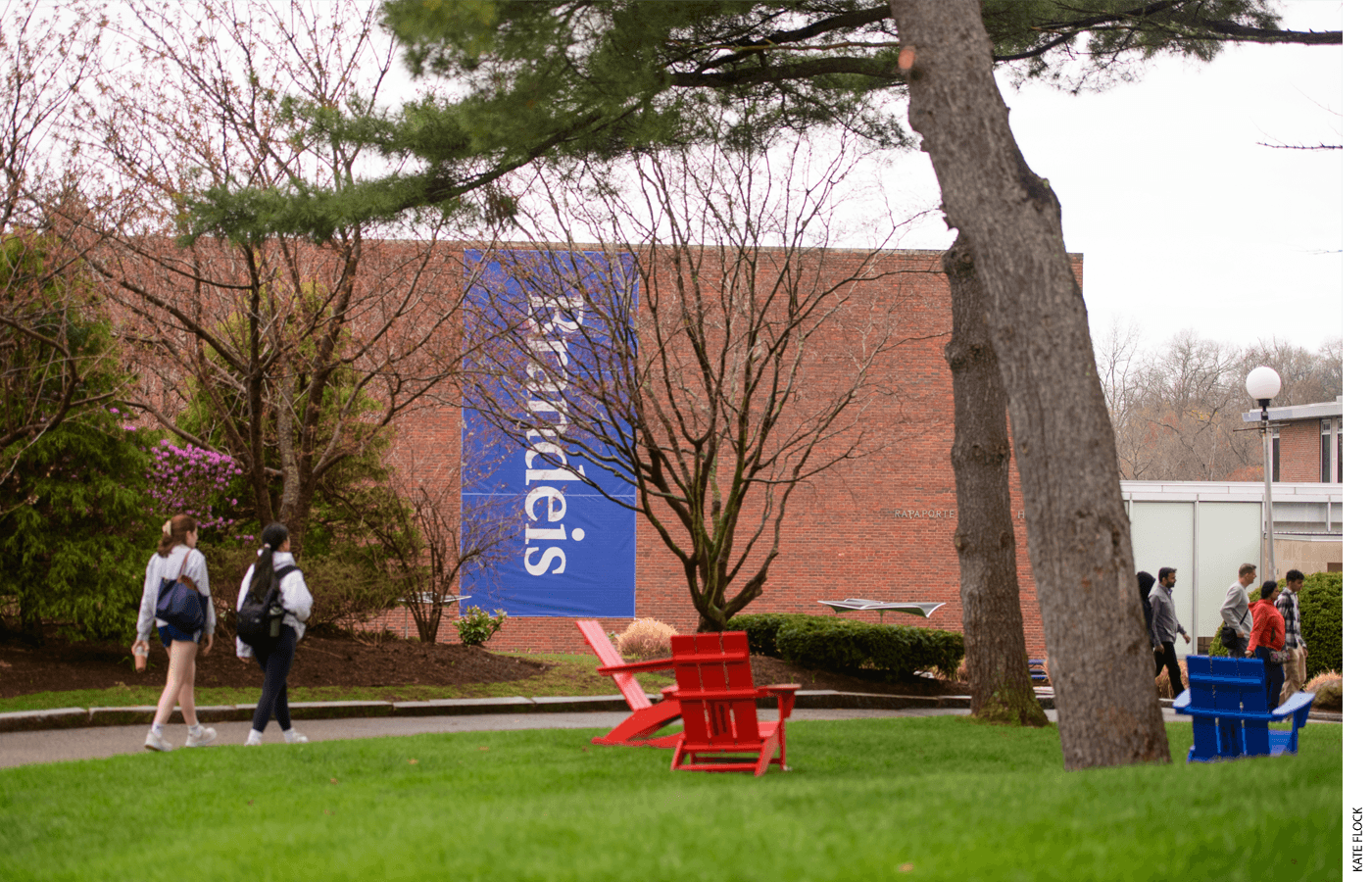
Liberal arts colleges across the United States are grappling with a significant identity crisis, struggling to demonstrate their relevance and purpose in preparing students for a rapidly evolving workforce and economy. This challenge is particularly acute for institutions like Brandeis University, located just outside Boston, which faces an annual sticker price approaching $98,000 for residential students in the upcoming academic year. The core issue stems from a growing consumer skepticism regarding the return on investment in higher education, a trend highlighted by numerous surveys conducted over the past decade. Many liberal arts institutions have historically struggled to effectively address these concerns.
In response to this existential threat, some universities and colleges are beginning to confront the crisis by focusing on a fundamental promise: ensuring that specific classes and majors directly lead to employment opportunities. Brandeis University is noted as being particularly aggressive in this endeavor. During a presentation to prospective students and their parents, an undergraduate admissions officer outlined a plan to "reinvent the liberal arts." This strategic overhaul involves reorganizing the university into four new schools, designed to integrate existing professional programs in fields such as business, technology, and public policy with traditional liberal arts disciplines, including history, biology, and philosophy. This restructuring aims to create a more cohesive and career-oriented educational experience.
The broader landscape of higher education has seen a shift in how institutions recruit students. Traditionally, universities waited for students to apply and demonstrate their interest. However, many institutions, including liberal arts colleges, now find themselves in the uncharacteristic position of actively advocating for their own value and necessity. This proactive approach is a direct consequence of the declining perceived value of a college degree, especially when weighed against its substantial cost. The integration of professional programs with liberal arts foundations is a key strategy being explored to bridge this gap and assure prospective students and their families of a tangible return on their educational investment.
The crisis facing liberal arts colleges is not a new phenomenon, but the urgency to adapt has intensified. For decades, these institutions have been lauded for fostering critical thinking, broad knowledge, and strong communication skills. However, in an era where specific vocational training and immediate job prospects often take precedence in the minds of students and parents, the traditional liberal arts model requires significant recalibration. The move by institutions like Brandeis to create interdisciplinary schools that blend theoretical knowledge with practical application signals a potential pathway for other liberal arts colleges to navigate the current educational and economic climate, ensuring their continued viability and relevance.
Original source — read the full reporting at the publisher:
Read on Education NextGet the weekly AI digest
AI news + new model releases, weekly. Drafted by our agents, reviewed by humans.