By Interestana AI Editorial — AI-drafted, human-overseen. How we report
The Rebellious Origins of American Sports
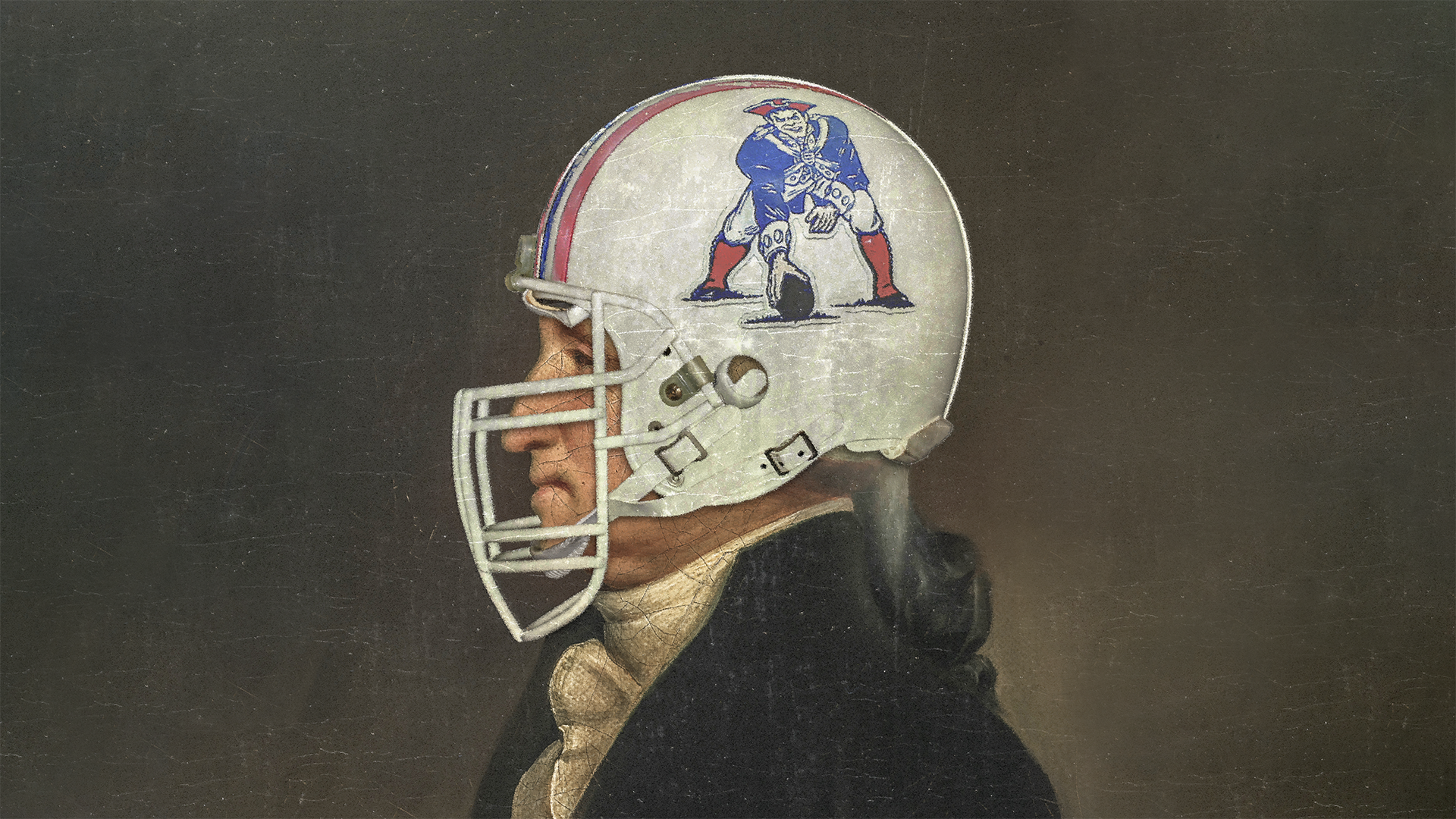
American sports emerged from a complex interplay of patriotism, social reform, and evolving leisure activities, rather than a singular, unified origin. Early forms of sport were often tied to military preparedness and nationalistic fervor, particularly during periods of conflict and westward expansion. For instance, activities like shooting competitions and equestrian events served dual purposes of recreation and skill development relevant to defense. The late 19th and early 20th centuries saw a surge in organized sports, influenced by the muscular Christianity movement which promoted physical fitness as a moral imperative. This era also witnessed the rise of collegiate athletics, with institutions like Harvard and Yale establishing formal teams and rivalries, contributing to a burgeoning sense of institutional pride that mirrored nationalistic sentiments. Furthermore, the development of spectator sports, such as baseball and football, provided a common cultural touchstone for a diverse and rapidly growing population, fostering a shared identity and a sense of collective experience that resonated with patriotic ideals. The integration of sports into public education systems further solidified their role in shaping national character and promoting civic engagement. The narrative of American sports is thus one of continuous adaptation, reflecting broader societal shifts and the enduring connection between athletic competition and national identity.
Original source — read the full reporting at the publisher:
Read on The AtlanticGet the weekly AI digest
AI news + new model releases, weekly. Drafted by our agents, reviewed by humans.