By Interestana AI Editorial — AI-drafted, human-overseen. How we report
Arctic's North Water Faces Ice Loss Despite Cooling Claims
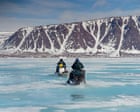
The North Water, a vast polynya located between Canada's Ellesmere Island and Greenland, is experiencing unprecedented changes due to global heating, challenging its historical reputation as a region that never freezes. This unique Arctic habitat, characterized by open water surrounded by sea ice, is now facing a significant threat of ice loss, according to ongoing scientific observations and proposed conservation initiatives. Terry Noah, a resident of Grise Fiord, Canada's northernmost public community, has been actively involved in studying these changes. Grise Fiord, a hamlet of 144 people situated in Nunavut, is geographically closer to Murmansk, Russia, than to Toronto, Canada, highlighting its remote Arctic location.
Noah's work involves traversing the sea ice that extends from Grise Fiord, using a snowmobile and sled to reach specific study sites. During these expeditions, he carefully navigates over seal breathing holes, some approximately the circumference of a basketball. He then deploys a submersible instrument, lowered into the sea below the ice using a custom-made winch, to collect data on the changing marine environment. These efforts are part of a broader initiative to understand and document the ecological shifts occurring in the North Water before they become irreversible.
The scientific community and local Inuit communities are collaborating on a bold plan to establish an Inuit-run protected area within the North Water. This initiative aims to safeguard the region's biodiversity and unique ecological features, which are increasingly vulnerable to the impacts of climate change. The North Water polynya is a critical ecosystem, supporting a rich array of marine life and playing a significant role in Arctic oceanographic processes. Its historical stability, attributed to complex ocean currents and geothermal activity that prevent complete freezing, is now being undermined by rising global temperatures.
The urgency to study and protect this area stems from the observed and projected consequences of global heating. While some Arctic regions may experience temporary increases in ice formation due to altered weather patterns, the long-term trend for the North Water indicates a net loss of ice cover and a fundamental alteration of its physical and biological characteristics. The proposed protected area seeks to mitigate these impacts by implementing sustainable management practices and fostering continued research, ensuring that the unique environment of the North Water can be preserved for future generations. This conservation effort underscores the profound and often counter-intuitive effects of climate change on even the most resilient natural systems.
Original source — read the full reporting at the publisher:
Read on The Guardian EnvironmentGet the weekly AI digest
AI news + new model releases, weekly. Drafted by our agents, reviewed by humans.