By Interestana AI Editorial — AI-drafted, human-overseen. How we report
GB News and Talk TV Hosts Dismiss Heatwave Dangers
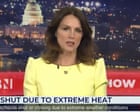
As the United Kingdom experienced record-breaking summer heatwaves beginning on May 23, hosts on GB News and Talk TV appeared to intensify their climate change skepticism and downplay the severity of the heat-related risks. GB News host Cristo Foufas, in a broadcast on May 23, expressed frustration with what he termed "naysayers" who warned of impending death and the need for heat alerts. Foufas suggested that the public should simply "drink some water and drink a bit less rosé in the sunshine." His co-host, Renée Hoenderkamp, who is identified as a medical doctor, responded by stating, "We used to call it Darwinism." This sentiment reflects a broader pattern observed on these channels where the dangers posed by extreme heat events, which have been linked to thousands of heat-related deaths, were seemingly minimized.
The commentary from GB News and Talk TV hosts during these periods of extreme weather has been characterized by a dismissal of scientific consensus on climate change and its impact on public health. Instead of focusing on the potential dangers and the need for public health measures, some presenters opted for rhetoric that suggested an overreaction to the heat. This approach contrasts sharply with public health advisories issued by governmental bodies and meteorological services, which typically emphasize the risks of dehydration, heatstroke, and other heat-related illnesses, particularly for vulnerable populations such as the elderly and those with pre-existing health conditions. The hosts' remarks, as reported, appear to frame the issue as one of personal resilience rather than a systemic environmental challenge requiring collective action and public awareness campaigns.
The discourse on these television channels during the heatwaves has been scrutinized for its potential to influence public perception and behavior regarding climate change and extreme weather events. By framing the issue in terms of individual responsibility and downplaying the scientific consensus, the hosts may inadvertently discourage adherence to public health guidance. The reference to "Darwinism" by Dr. Hoenderkamp, for instance, implies a natural selection process where only the fittest survive, a concept that is not scientifically applicable to public health responses to environmental hazards like heatwaves. Such commentary can be seen as a form of "psyops" or psychological operations, aiming to shape public opinion by sowing doubt about established scientific findings and public health recommendations. The overall tone adopted by some hosts has been described as moving from mere skepticism to what one observer termed "hysterical hysteria," indicating an escalation in the intensity of their denial or dismissal of the climate crisis and its immediate consequences.
This pattern of commentary on GB News and Talk TV during the heatwaves highlights a significant divergence in how climate change and extreme weather are discussed on different media platforms. While mainstream scientific bodies and international organizations consistently warn of the escalating risks associated with global warming, including more frequent and intense heatwaves, some media outlets appear to be fostering an environment of denial or minimization. The implications of such discourse are substantial, potentially impacting public preparedness, policy support for climate action, and overall societal understanding of the urgency of the climate crisis. The specific remarks made by hosts like Cristo Foufas and Renée Hoenderkamp serve as concrete examples of this trend, illustrating a deliberate effort to counter prevailing scientific narratives and public health concerns with alternative, often dismissive, viewpoints.
Original source — read the full reporting at the publisher:
Read on The Guardian WorldGet the weekly AI digest
AI news + new model releases, weekly. Drafted by our agents, reviewed by humans.