By Interestana AI Editorial — AI-drafted, human-overseen. How we report
Milton Avery Shaped Rothko's Artistic Development
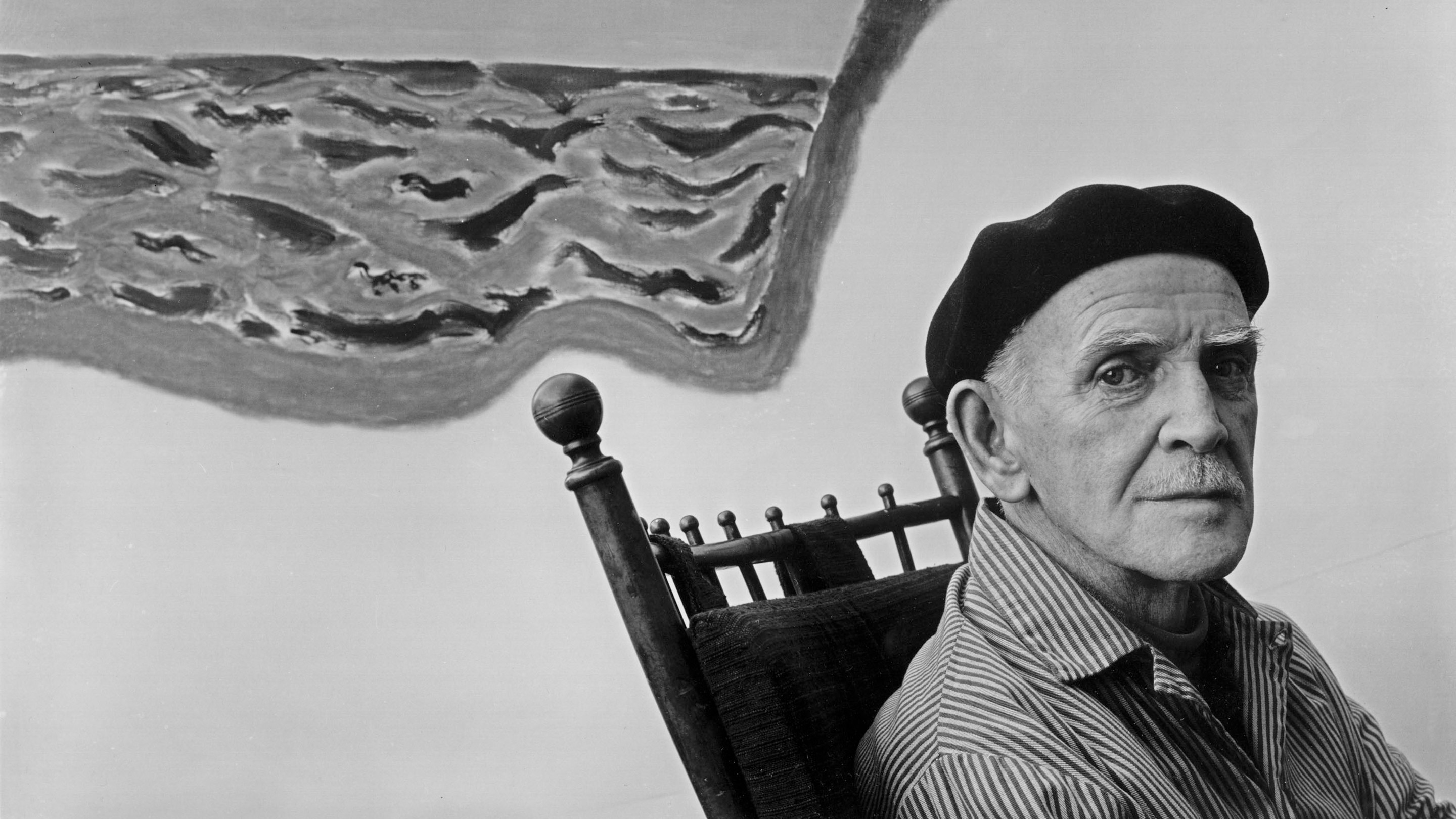
The relationship between American modernist painter Milton Avery and abstract expressionist Mark Rothko is often characterized as one of mentorship, with Avery being the elder artist who guided a younger, more famous Rothko. However, a closer examination of their artistic development and interactions suggests a more complex and reciprocal influence, where Avery played a more pivotal role in shaping Rothko's early artistic direction than previously acknowledged. This revised perspective challenges the prevailing narrative that Rothko quickly surpassed Avery, positioning Avery as a crucial, albeit often overlooked, figure in the genesis of Rothko's iconic style.
Evidence points to a period in the late 1920s and early 1930s when Rothko, then known as Mark Rothko, was actively seeking a distinct artistic voice. During this time, he was deeply engaged with Avery's work, which featured bold color fields, simplified forms, and a focus on essential emotional content. Rothko's own early figurative works began to exhibit a simplification of form and a heightened attention to color relationships that mirrored Avery's approach. Art historians suggest that Avery's ability to distill complex subjects into their most fundamental visual elements provided a powerful example for Rothko as he navigated his transition from representational art towards abstraction. Avery's paintings from this era, such as "March" (1930) and "The Artist's Family" (1930), demonstrate a mature handling of color and composition that likely resonated with Rothko's own artistic ambitions.
While Rothko's later development into a titan of Abstract Expressionism is well-documented, the extent of Avery's foundational impact has been historically understated. The conventional view often positions Avery as a benevolent mentor whose influence waned as Rothko matured. However, scholars now argue that Avery's artistic philosophy, which emphasized emotional resonance through color and form, provided a critical framework for Rothko's explorations. This is not to diminish Rothko's unique genius or his eventual divergence into his signature color field paintings, but rather to acknowledge the significant groundwork laid by Avery. The shared artistic milieu of New York City in the mid-20th century fostered numerous dialogues between artists, and the connection between Avery and Rothko appears to have been particularly fruitful, with each artist potentially learning from and inspiring the other in ways that are still being uncovered.
This re-evaluation of the Avery-Rothko dynamic is part of a broader trend in art history to move beyond simplistic linear narratives of influence and to recognize the nuanced, often collaborative, nature of artistic creation. By understanding Avery not just as a mentor but as a significant artistic peer whose work provided crucial inspiration and validation for Rothko's early experiments, we gain a richer appreciation for the complex origins of one of the 20th century's most celebrated artistic movements. The legacy of Milton Avery, therefore, extends beyond his own considerable body of work, embedding itself within the very foundations of Abstract Expressionism through his profound, though often uncredited, influence on Mark Rothko.
Original source — read the full reporting at the publisher:
Read on The AtlanticGet the weekly AI digest
AI news + new model releases, weekly. Drafted by our agents, reviewed by humans.