By Interestana AI Editorial — AI-drafted, human-overseen. How we report
Yayoi Kusama, Artist of Dots and Hallucinations, Dies at 97
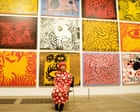
Pioneering Japanese artist Yayoi Kusama, renowned for her immersive installations and signature polka dot motifs, has died at the age of 97. Kusama's artistic journey was deeply intertwined with her experiences of mental health challenges, including vivid hallucinations that began in her childhood. At 10 years old, she started experiencing visual and aural disturbances, which she described as "flashes of light, auras, or dense fields of dots." These hallucinations became a central theme in her work, notably in a 1939 drawing where a woman, presumed to be her mother, is depicted as being obliterated by these dots. Kusama explained that the recurring motif of dots stemmed from an experience where she saw a tablecloth's pattern expand to cover her surroundings, leading to a feeling of "self-obliteration" and a sense of being reduced to nothingness within infinite space and time.
For Kusama, the act of creating art served as a critical coping mechanism and a path to survival. In a 2012 interview, she stated, "I fight pain, anxiety, and fear every day, and the only method I have found that relieved my illness is to keep creating art. I followed the thread of art and somehow discovered a path that would allow me to live." This dedication to her craft propelled her to become one of the most acclaimed contemporary artists globally. She was a significant figure in the New York avant-garde scene, staging influential happenings and leaving a notable impact on the pop art movement. Her exhibitions consistently attracted massive public attention, with her "Infinity Mirror Rooms" show at Tate Modern in London experiencing such immense demand that it was extended for an entire extra year, running until 2024.
Kusama's openness about how her neurodivergence and mental health informed her creative output has paved the way for other artists who navigate similar experiences. Her legacy extends beyond her individual artistic achievements; she has inspired a generation of creators, including figures like Turner Prize winner Nnenna Kalu, to embrace their unique perspectives and use art as a tool for expression and healing. Kusama's distinctive style, characterized by repetitive patterns, vibrant colors, and surreal environments, challenged conventional artistic boundaries and offered a profound exploration of perception, infinity, and the human psyche. Her passing marks the end of an era, but her influence on contemporary art and her role as an advocate for artists with neurodivergent experiences will continue to resonate.
Original source — read the full reporting at the publisher:
Read on The Guardian CultureGet the weekly AI digest
AI news + new model releases, weekly. Drafted by our agents, reviewed by humans.