By Interestana AI Editorial — AI-drafted, human-overseen. How we report
Night Sky Brightness Increases 10% Annually
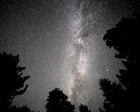
The Earth's night sky is experiencing a significant increase in brightness, with estimates suggesting it is becoming 10% brighter annually. This phenomenon, driven by the proliferation of artificial outdoor lighting, is leading to a widespread loss of natural darkness. The author recounts personal experiences of diminished darkness in urban environments like Portland, where streetlights, porch lights, and parking lot glare penetrate living spaces, making true darkness unattainable even indoors. This contrasts sharply with experiences in areas designated as International Dark Sky Places, such as the 2.5 million acres of unpolluted night sky in the Oregon outback, which offer a glimpse of the darkness many have not experienced in decades.
The increasing brightness of the night sky has profound implications for both human well-being and the natural environment. For humans, prolonged exposure to artificial light at night can disrupt natural sleep cycles and circadian rhythms, potentially leading to various health issues. Wildlife, which has evolved over millennia to rely on natural cycles of light and dark, is particularly vulnerable. Nocturnal animals depend on darkness for hunting, navigation, reproduction, and avoiding predators. The constant illumination from human settlements can disorient them, interfere with their foraging patterns, and reduce their reproductive success. For instance, migrating birds can become disoriented by city lights, leading to collisions with buildings. Insects, crucial for pollination and as a food source for other animals, are also negatively affected, with many species drawn to artificial lights and dying from exhaustion or predation.
Addressing this growing issue requires concerted efforts to regulate outdoor lighting. The author suggests that if more cities implement stricter regulations on outdoor lighting, it could significantly improve the environment for all living creatures. Such regulations typically involve measures like reducing the intensity of lights, directing light downwards to prevent upward skyglow, using warmer color temperatures that are less disruptive to wildlife, and implementing timers or motion sensors to ensure lights are only on when necessary. The International Dark Sky Association, an organization dedicated to preserving night skies, designates areas that meet specific criteria for darkness, offering sanctuaries from light pollution and promoting responsible lighting practices. These dark sky places serve as crucial refuges for both wildlife and for humans seeking to reconnect with the natural night.
The loss of natural darkness is not merely an aesthetic concern; it represents a fundamental alteration of the environment that has shaped life on Earth. As artificial light pollution continues to expand, the ability to observe celestial phenomena like stars and the Milky Way diminishes, impacting astronomical research and cultural heritage. The author's personal journey to a dark sky preserve highlights the stark contrast between light-polluted and pristine night environments, underscoring the urgent need for action. By implementing thoughtful lighting policies, cities can mitigate the negative impacts of light pollution, restore natural darkness, and create healthier environments for both human and non-human inhabitants.
Original source — read the full reporting at the publisher:
Read on The Guardian EnvironmentGet the weekly AI digest
AI news + new model releases, weekly. Drafted by our agents, reviewed by humans.