By Interestana AI Editorial — AI-drafted, human-overseen. How we report
Nepal Floods Highlight Global Climate Breakdown Impacts
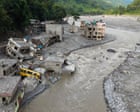
Catastrophic floods in Nepal, which have claimed over 750 lives and left thousands missing, serve as a stark illustration of the global climate breakdown, according to Nesrine Malik writing for The Guardian. This event highlights a world divided by resources, where the impacts of climate change manifest differently based on a nation's economic capacity to respond and recover. While richer countries may possess more resources to mitigate and adapt to climate-related disasters, the fundamental problem of climate breakdown affects the entire planet, regardless of leaders' attempts to deny or downplay its pervasive reach.
Malik contrasts the devastating situation in Nepal with the experiences of parts of Europe this summer, which endured record-breaking heatwaves. While Europe faced significant challenges, including wildfires that destroyed homes, the response involved substantial government aid. The French government, for instance, provided tax breaks for affected businesses and financial assistance for relocation and rebuilding homes. Similarly, the UK government had allocated nearly £100 million prior to the summer to bolster wildfire resilience. These measures, while significant, demonstrate a capacity for response that is not available to all nations, particularly those in the Global South that often bear a disproportionate burden of climate impacts despite contributing the least to greenhouse gas emissions.
The split-screen reality of climate change, as described by Malik, involves two distinct experiences: one where impacts gradually encroach on daily life through prolonged discomfort and sudden, sharp crises like extended heatwaves and wildfires; and another characterized by outright catastrophe, as seen in Nepal. The economic cost of the climate crisis is undeniable, but its absorbability varies greatly. The Nepal floods, characterized by water, mud, and ice, represent a level of disaster that can overwhelm the infrastructure and resources of even resilient communities, let alone those with fewer means.
This disparity in response capacity underscores the interconnectedness of the global climate system. The actions or inactions of one nation have ripple effects across the planet. The floods in Nepal, while geographically distant from many Western nations, are a symptom of a shared environmental crisis. The article implicitly argues that the global community must recognize that climate breakdown is a universal threat that requires collective action and equitable solutions, rather than allowing disparities in wealth and resources to dictate who suffers most and who can afford to recover. The long-term consequences of climate change, including extreme weather events like the Nepal floods, will continue to affect all nations, necessitating a unified approach to mitigation and adaptation efforts.
Original source — read the full reporting at the publisher:
Read on The Guardian EnvironmentGet the weekly AI digest
AI news + new model releases, weekly. Drafted by our agents, reviewed by humans.