By Interestana AI Editorial — AI-drafted, human-overseen. How we report
Turkmenistan Begins Fixing Methane Mega-Leaks
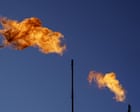
Turkmenistan has initiated repairs on its aging oil and gas facilities to address substantial methane leaks, a development described as a breakthrough by environmental observers. This action follows revelations that the country is the world's largest contributor to methane emissions from its energy sector. Methane, a potent greenhouse gas, traps approximately 80 times more heat than carbon dioxide over a 20-year period and is responsible for roughly 25% of current global heating. Experts consider mitigating methane leaks to be a rapid and cost-effective strategy for slowing climate change, often referring to it as the climate's "emergency brake" due to methane's relatively short atmospheric lifespan compared to carbon dioxide.
Previous analyses, including those conducted by the UN's Monitoring of Atmospheric Pollution and Emissions (M.A.P.E.) and the Environmental Defense Fund (EDF), identified Turkmenistan's energy infrastructure as a significant source of these "mindboggling" methane super-emitters. These leaks, often originating from aging pipelines, valves, and processing equipment, release vast quantities of methane into the atmosphere. The scale of these emissions had placed Turkmenistan under international scrutiny, particularly in the context of global efforts to curb greenhouse gas emissions and limit global warming to 1.5 degrees Celsius as outlined in the Paris Agreement. The country's secretive nature has historically made it difficult to obtain precise data on its industrial emissions, making the recent commencement of repairs a notable shift.
The repairs are expected to significantly reduce Turkmenistan's contribution to global methane emissions. The country, which possesses substantial natural gas reserves, relies heavily on its oil and gas sector for its economy. Addressing these leaks not only offers environmental benefits but also represents improved operational efficiency and potentially reduced economic losses from escaped product. The UN's International Methane Emissions Observatory (IMEO) has been instrumental in tracking and reporting on these emissions, providing data that has spurred international attention and encouraged action. The success of these repair efforts will be closely monitored by the international community as a test case for other nations with similar aging energy infrastructure.
This initiative aligns with broader global commitments to reduce methane emissions, such as the Global Methane Pledge, launched at COP26 in Glasgow in 2021. The pledge aims to collectively reduce global methane emissions by at least 30% below 2020 levels by 2030. By actively addressing its super-leaks, Turkmenistan is demonstrating a willingness to contribute to these international climate goals. The effectiveness of the repairs will be assessed through ongoing atmospheric monitoring and reporting by organizations like the IMEO and potentially through independent satellite data analysis, which has become increasingly sophisticated in detecting methane plumes. The long-term impact will depend on the thoroughness and sustainability of the repair work undertaken on its extensive network of oil and gas infrastructure.
Original source — read the full reporting at the publisher:
Read on The Guardian WorldGet the weekly AI digest
AI news + new model releases, weekly. Drafted by our agents, reviewed by humans.