By Interestana AI Editorial — AI-drafted, human-overseen. How we report
Melting Ice and Snow Trigger Global Disaster Warnings
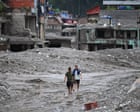
The catastrophic flood that recently devastated parts of Nepal and Tibet serves as a stark warning of escalating geological disasters driven by global heating, according to Professor Emeritus Bill McGuire of UCL. This event underscores a growing, yet often overlooked, connection between climate change and the Earth's geosphere, a phenomenon that scientists are increasingly observing and documenting. The implications extend beyond South Asia, with similar risks identified in major mountain ranges and ice sheets across the globe.
This recent deluge in Nepal and Tibet follows a pattern of climate-exacerbated geological events. In 2021, a comparable flood struck the Indian Himalayan state of Uttarakhand, causing severe damage to two hydroelectric power plants and resulting in approximately 200 fatalities. More recently, in August 2025, a massive landslide in an Alaskan fjord generated a colossal wave reaching 500 meters in height, impacting a region popular with cruise ships. Earlier that same year, the collapse of a portion of a glacier in Switzerland's Valais canton unleashed a torrent of debris that destroyed and buried most of the evacuated village of Blatten.
Professor McGuire, an expert in geophysical and climate hazards, points to several regions as particularly vulnerable to these cascading effects. These include the Himalayas, the Andes, Greenland, and potentially the Alps. In these areas, rising global temperatures are accelerating the melting of snow and ice, destabilizing geological structures and increasing the likelihood of catastrophic events such as landslides, glacial lake outburst floods (GLOFs), and avalanches. The chain reactions triggered by these initial events can have widespread and devastating consequences, affecting infrastructure, human settlements, and ecosystems.
The scientific community's understanding of the interplay between climate and geology is evolving, but the evidence for its impact is becoming undeniable. As global temperatures continue to rise, the geosphere is becoming "twitchier," as McGuire describes it, making it imperative to acknowledge and prepare for the increased frequency and intensity of these climate-driven geological hazards. The events in Nepal and Tibet, alongside those in Uttarakhand, Alaska, and Switzerland, highlight the urgent need for global cooperation and robust adaptation strategies to mitigate the risks associated with a warming planet and its profound geological consequences.
Original source — read the full reporting at the publisher:
Read on The Guardian EnvironmentGet the weekly AI digest
AI news + new model releases, weekly. Drafted by our agents, reviewed by humans.