By Interestana AI Editorial — AI-drafted, human-overseen. How we report
Italy Turns Invasive Blue Crab Into Multimillion-Dollar Business
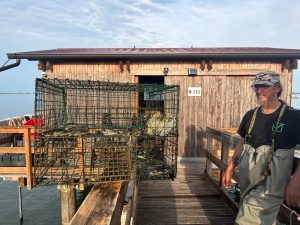
Italian fishermen in the Po River Delta, initially incinerating invasive Atlantic blue crabs, have pivoted to a new strategy of exporting these crustaceans, transforming a significant ecological and economic challenge into a multimillion-dollar business. For two years, the crabs, blamed for decimating prized Manila clams, were largely destroyed, but a shift in approach is now salvaging the livelihoods of fishermen and potentially rehabilitating the crab's image in Italy. Federico Zago, a second-generation fisherman and member of the Polesine Fishermen’s Cooperative Consortium, witnessed a drastic decline in income due to the invasion. The cooperative's revenues plummeted by 75% to 15 million euros ($17 million) during 2024 and 2025, with its active membership shrinking from 1,500 to 850. Paolo Mancin, the cooperative's president, stated the necessity for a strategic change, aiming to create an opportunity from the "disaster." This pivot involves exporting the unwanted crabs, a move intended to protect the Manila clams and mussels that have historically sustained prosperity in the shallow lagoons of Veneto and Emilia Romagna. Zago now actively harvests crabs from his traditional fishing cabin in the Scardovari lagoon, and the consortium's export strategy has proven successful, with all caught crabs sold this year, eliminating the need for incineration. The cooperative forecasts 20 million euros ($23 million) in revenue for the current year, with the majority derived from crab sales. Zago expressed hope that the market for the crabs will continue to grow, stating, "Since we’re going to have to live with these crabs, I hope they become an opportunity." The Atlantic blue crab has been present in the Adriatic Sea since at least the 1940s, arriving via ballast water from commercial vessels. Climate change is creating ideal conditions for the proliferation of this invasive species, exacerbating the problem for local ecosystems and the fishing industry. The cooperative's initiative represents a significant economic turnaround, demonstrating how ecological challenges can be addressed through innovative market development and a change in consumer perception. The success of this venture highlights the potential for similar solutions in other regions facing invasive species issues, by focusing on the economic value of these organisms rather than solely on their destructive impact. The cooperative's efforts are not only about financial recovery but also about adapting to environmental changes and finding sustainable ways to coexist with new species.
Original source — read the full reporting at the publisher:
Read on FortuneGet the weekly AI digest
AI news + new model releases, weekly. Drafted by our agents, reviewed by humans.