By Interestana AI Editorial — AI-drafted, human-overseen. How we report
Navy Seeks Distributed Laser Weapon Prototypes
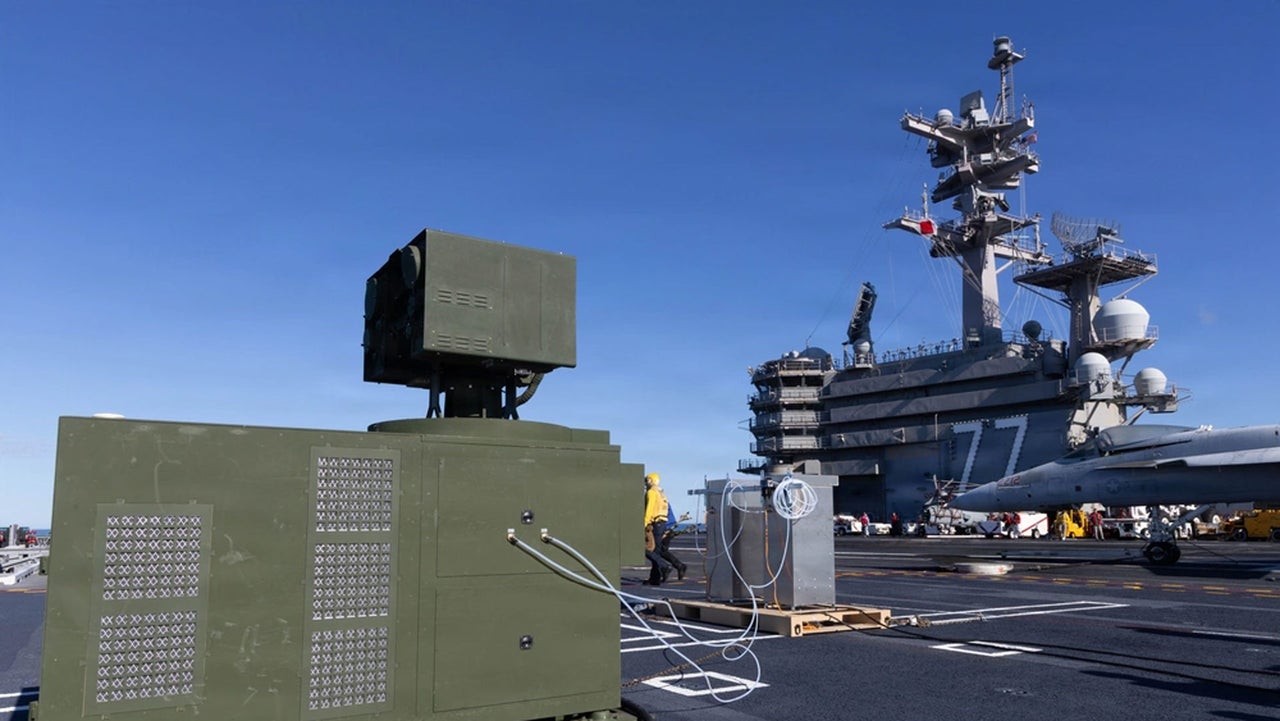
The U.S. Navy is initiating a significant shift in its directed energy weapon strategy, moving away from monolithic systems towards "distributed" laser weapon concepts. This new approach, detailed in a draft request for solutions (RFS) published on August 12 via the National Security Technology Accelerator (NSTXL), aims to decouple the laser source from the beam director. These two components would be connected by specialized optical fiber, allowing them to be physically separated across a ship, base, or battlefield. The Office of Naval Research (ONR) is spearheading this initiative, which is valued at $10.25 million. The project, officially named the ‘Universal Optical Transport for Distributed Laser Weapons,’ seeks prototypes of connectors and fiber optic cables capable of transmitting 10 kilowatts of power over a distance of 10 kilometers. Crucially, these components must maintain minimal power loss and high beam quality to ensure effective targeting. The ONR's draft document highlights that this architectural change is intended to enable "significantly expanded geographic coverage and multi-sector force protection." This capability is particularly relevant for supporting expeditionary airbase defense and counter-drone missions ashore, representing a departure from the Navy's historical emphasis on shipboard directed energy systems operating at sea. The appeal of distributed laser weapons lies in their inherent flexibility. Such systems would allow U.S. and allied forces to house power-intensive and heat-generating laser sources in secure, fortified locations. Concurrently, lighter and more agile beam directors could be deployed around the periphery of a base or formation. The optical fiber connection could potentially enable a single laser source to power multiple beam directors simultaneously, allowing for the engagement of multiple incoming targets at once. The ONR document specifically references scenarios involving U.S. Marines facing drone attacks and rocket, artillery, and mortar fire during the seizure of forward airfields, underscoring the operational context for these advanced capabilities under the service’s Expeditionary Advanced Base Operations (EABO) doctrine. This strategic pivot reflects a broader trend in military technology towards modularity and distributed architectures to enhance operational resilience and adaptability in complex threat environments.
Original source — read the full reporting at the publisher:
Read on Fast CompanyGet the weekly AI digest
AI news + new model releases, weekly. Drafted by our agents, reviewed by humans.