By Interestana AI Editorial — AI-drafted, human-overseen. How we report
Nepal Floods Highlight Climate Threat to India's Himalayas
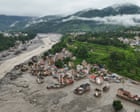
Devastating floods that have impacted parts of Nepal serve as a stark warning about the escalating threat posed by the climate crisis to India's Himalayan region. Families in India are anxiously awaiting news of missing loved ones, with social media platforms filled with desperate pleas and photographs from individuals searching for traces of family members across cities like Mumbai and Kolkata. The disaster in Nepal was triggered when a melting glacier collided with the valley below, initiating a destructive torrent of rock and ice that surged down the Bhote Kashi River, a waterway originating in Tibet and flowing into Nepal. This event underscores a growing pattern of extreme weather phenomena linked to climate change, which is destabilizing the fragile Himalayan ecosystem.
The rapid melting of glaciers in the Himalayas, a direct consequence of rising global temperatures, is creating a significant risk of glacial lake outburst floods (GLOFs). These events occur when meltwater accumulates behind moraine dams or ice, eventually breaching and releasing massive volumes of water, ice, and debris. The Himalayas are home to thousands of glaciers, many of which are retreating at an alarming rate. Scientific studies have indicated that the region is warming at a pace faster than the global average, exacerbating glacial melt and increasing the frequency and intensity of related hazards. The Bhote Kashi River incident is a clear manifestation of this vulnerability, demonstrating how climate-induced changes in the mountains can have catastrophic downstream consequences.
Beyond the immediate threat of GLOFs, the changing Himalayan landscape poses broader challenges to communities. Altered precipitation patterns, increased landslides, and shifts in river flows can disrupt water resources, impact agriculture, and threaten infrastructure. The region's unique biodiversity is also at risk as habitats change and species struggle to adapt. The long-term implications for India, which relies on Himalayan rivers for water and faces significant populations in its northern states, are profound. The recent disaster in Nepal serves as a critical reminder for India to bolster its disaster preparedness, invest in climate resilience measures, and accelerate efforts to mitigate greenhouse gas emissions to protect its vulnerable Himalayan territories and the millions of lives that depend on them. The interconnectedness of the Himalayan ecosystem means that events in one country, like Nepal, have direct implications for its neighbors, including India.
Original source — read the full reporting at the publisher:
Read on The Guardian EnvironmentGet the weekly AI digest
AI news + new model releases, weekly. Drafted by our agents, reviewed by humans.