By Interestana AI Editorial — AI-drafted, human-overseen. How we report
Hotels' Wi-Fi Ban Called Judgmental Amenity
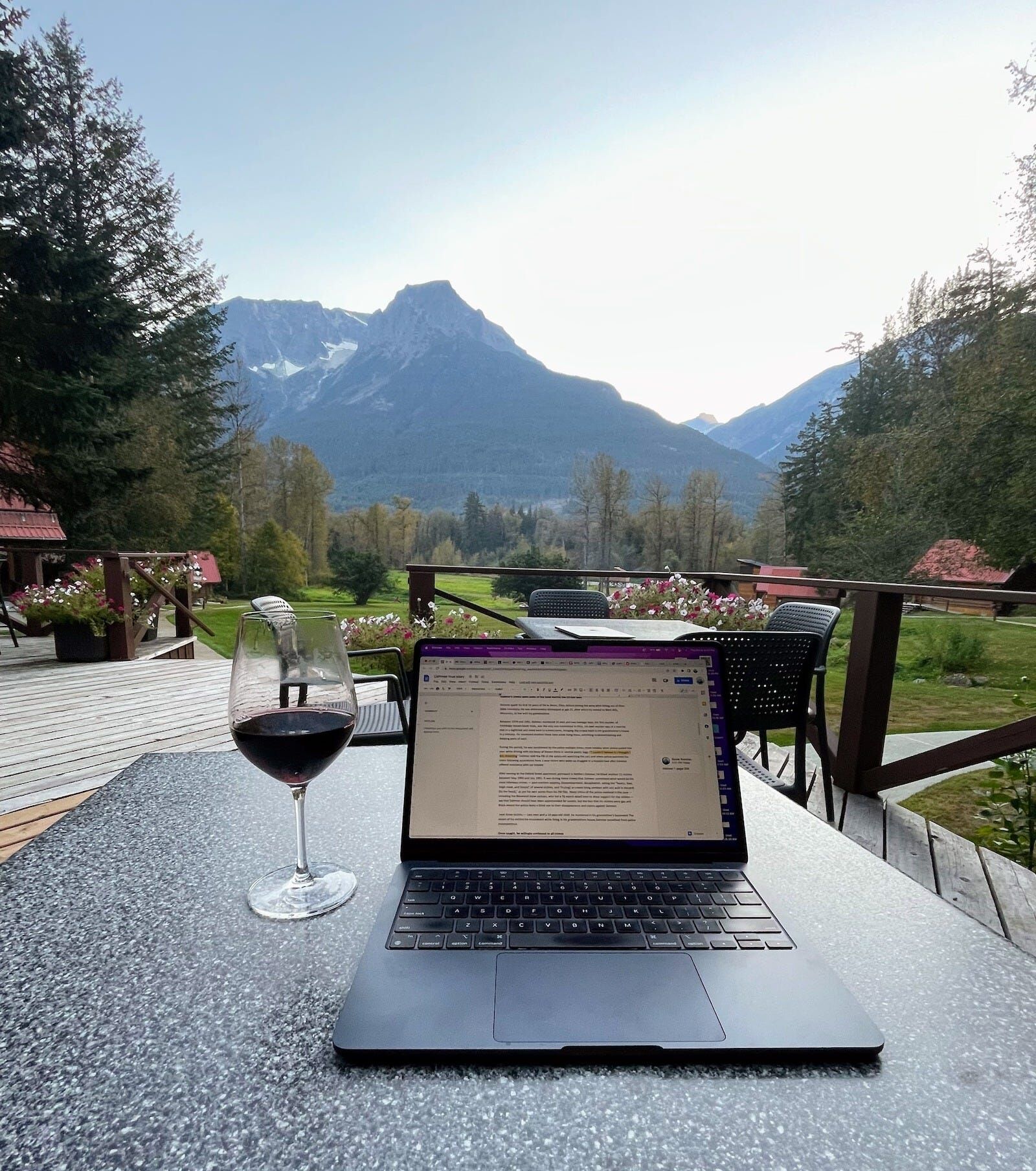
A travel writer has identified the removal of in-room Wi-Fi as a particularly "judgmental amenity" offered by some hotels, particularly those that could easily provide internet access but choose not to. This practice, often framed as a way to encourage guests to "be present" or embrace mindfulness and wellness, is met with strong disapproval by the writer, who argues that it removes guest choice and can create additional stress for remote workers and freelancers. The author's personal standards for hotels are generally low, citing a preference for a specific La Quinta Motel on road trips due to their dog's enjoyment of the beds. However, the sentence "We don’t have Wi-Fi in our rooms, because you deserve to be present" is a guaranteed deterrent to booking. This sentiment was first shared on Matador Network’s behind-the-scenes Substack newsletter, where the editorial team discusses professional travel insights. The critique specifically targets establishments that have the capacity for Wi-Fi but opt out, contrasting them with genuinely remote locations like jungle lodges, backcountry ski huts, or desert tented camps where internet access is understandably unavailable. The writer emphasizes that the desire for Wi-Fi is not about constant phone usage but about managing work obligations. For freelancers, knowing whether an urgent work matter requires attention can be managed with brief, periodic checks, allowing for uninterrupted enjoyment of activities like hiking. Conversely, being tethered to a common area for Wi-Fi access creates anxiety about missing critical assignments, turning a vacation into a source of stress rather than relaxation. The article highlights the irony of hotels dictating guests' vacation experiences by removing convenient and often necessary amenities under the guise of promoting well-being. This approach, according to the writer, is not a generous offering but an imposition of the hotel's philosophy on the guest's personal time and professional responsibilities. The author also notes that this trend is often accompanied by imagery of people engaged in relaxing activities like yoga or lounging in hammocks, further reinforcing the perceived disconnect between the hotel's marketing and the guest's actual needs. The core argument is that while remote locations are excused, hotels in accessible areas that remove Wi-Fi are making a paternalistic decision that can negatively impact guests, especially those who rely on connectivity for their livelihoods. The writer's frustration stems from the lack of choice and the assumption that guests are incapable of managing their own digital presence during leisure time.
Original source — read the full reporting at the publisher:
Read on Matador NetworkGet the weekly AI digest
AI news + new model releases, weekly. Drafted by our agents, reviewed by humans.