By Interestana AI Editorial — AI-drafted, human-overseen. How we report
Solo Travel Safety Tips for Enhanced Traveler Security
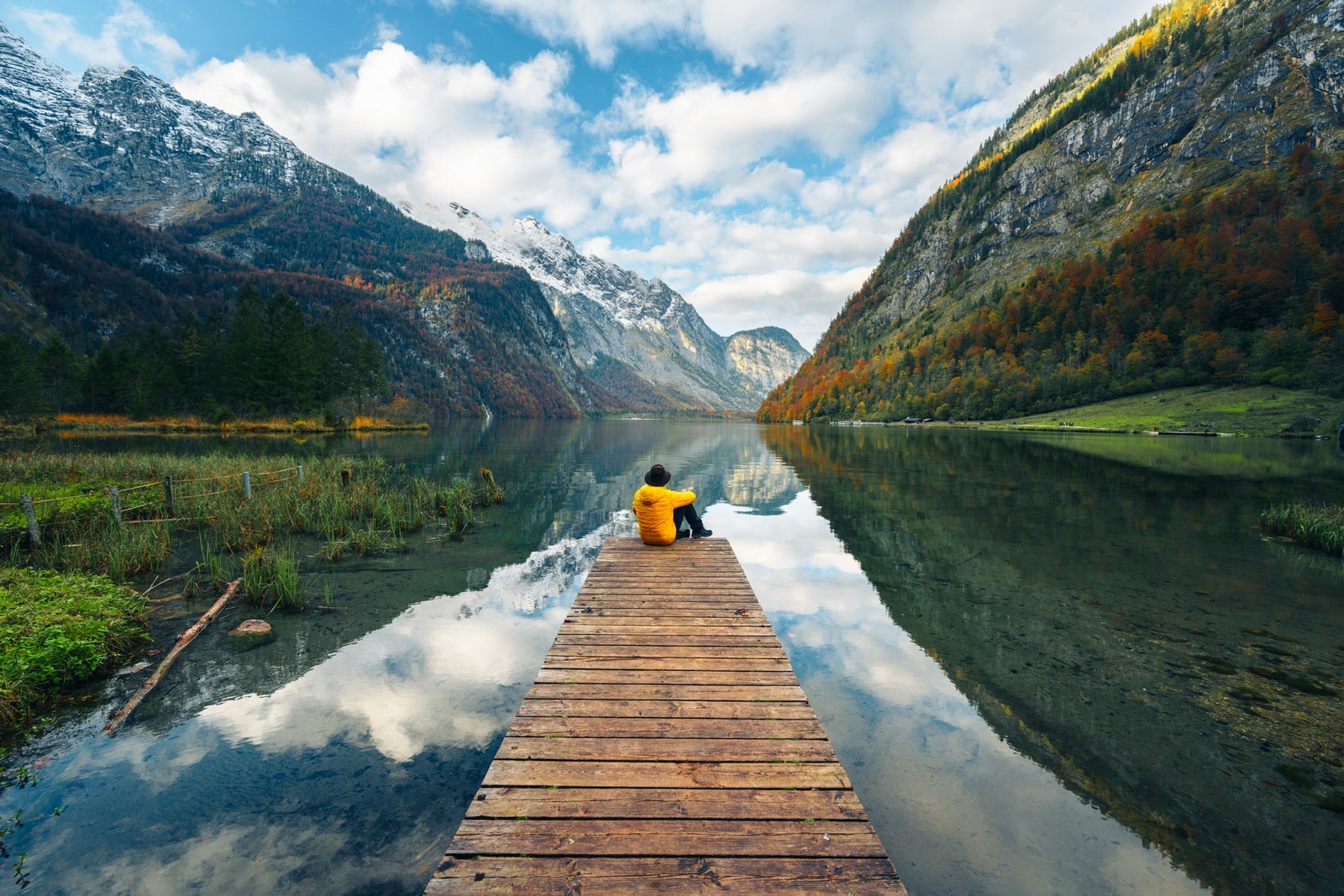
Smart solo travel begins with meticulous planning, emphasizing the selection of secure destinations and accommodations that foster a sense of comfort and safety. TPG managing editor Lyndsey Matthews prioritizes hotels over vacation rentals when traveling alone, citing the inherent security and the presence of staff as reassuring factors. Matthews typically chooses urban environments for her solo journeys, believing that being surrounded by people enhances her sense of security. In contrast, senior editor Christine Gallipeau opts for non-city destinations, finding that quieter, smaller locales and a more stationary approach have facilitated her return to solo travel post-divorce. This strategy has helped alleviate anxieties about safety and potential issues during her trips. Planning extends beyond the pre-travel phase; social media manager Annie Black adopts a daily routine of visiting a coffee shop each morning to outline her itinerary. She meticulously writes down her plans, not only to maintain focus but also as a safety measure in case of phone loss or Wi-Fi unavailability. Black describes this analog method as significantly boosting her feeling of security as a woman traveling independently. The author of this piece also reflected on a recent solo European trip, noting a desire for more pre-planned activities to mitigate decision fatigue upon arrival. Beyond initial planning, practical safety measures include informing someone of your itinerary, maintaining a low profile, and trusting your instincts. Sharing your travel plans with a trusted friend or family member provides an essential safety net, allowing them to monitor your progress and be alerted if something seems amiss. This communication should include details about your accommodation, transportation, and expected daily activities. When navigating unfamiliar environments, it is advisable to maintain a discreet presence, avoiding ostentatious displays of wealth or drawing unnecessary attention. This can involve dressing in a manner that blends with the local culture and being mindful of your surroundings, particularly in crowded areas or at night. Developing a heightened awareness of your environment is crucial; pay attention to who is around you, note escape routes, and be aware of your personal belongings. If a situation feels uncomfortable or unsafe, it is imperative to trust your intuition and remove yourself from the environment promptly. This might involve leaving a bar, changing your route, or seeking assistance from authorities or hotel staff. For accommodation, beyond Matthews' preference for hotels, other considerations include researching the safety of the neighborhood, checking reviews specifically mentioning safety, and ensuring the room has secure locks and potentially a peephole. Vacation rentals, while offering more privacy, require extra diligence in vetting the property and host. Transportation safety involves using reputable taxi services or ride-sharing apps, avoiding unmarked vehicles, and confirming the driver and vehicle details match the app's information. Public transportation can be safe, but it’s wise to be aware of your surroundings and keep valuables secure. Finally, maintaining connectivity through a local SIM card or international plan allows for easy communication and access to emergency services, further enhancing solo travel security.
Original source — read the full reporting at the publisher:
Read on The Points GuyGet the weekly AI digest
AI news + new model releases, weekly. Drafted by our agents, reviewed by humans.