By Interestana AI Editorial — AI-drafted, human-overseen. How we report
Vietnamese Americans Achieve Educational Mobility Via Public Schools
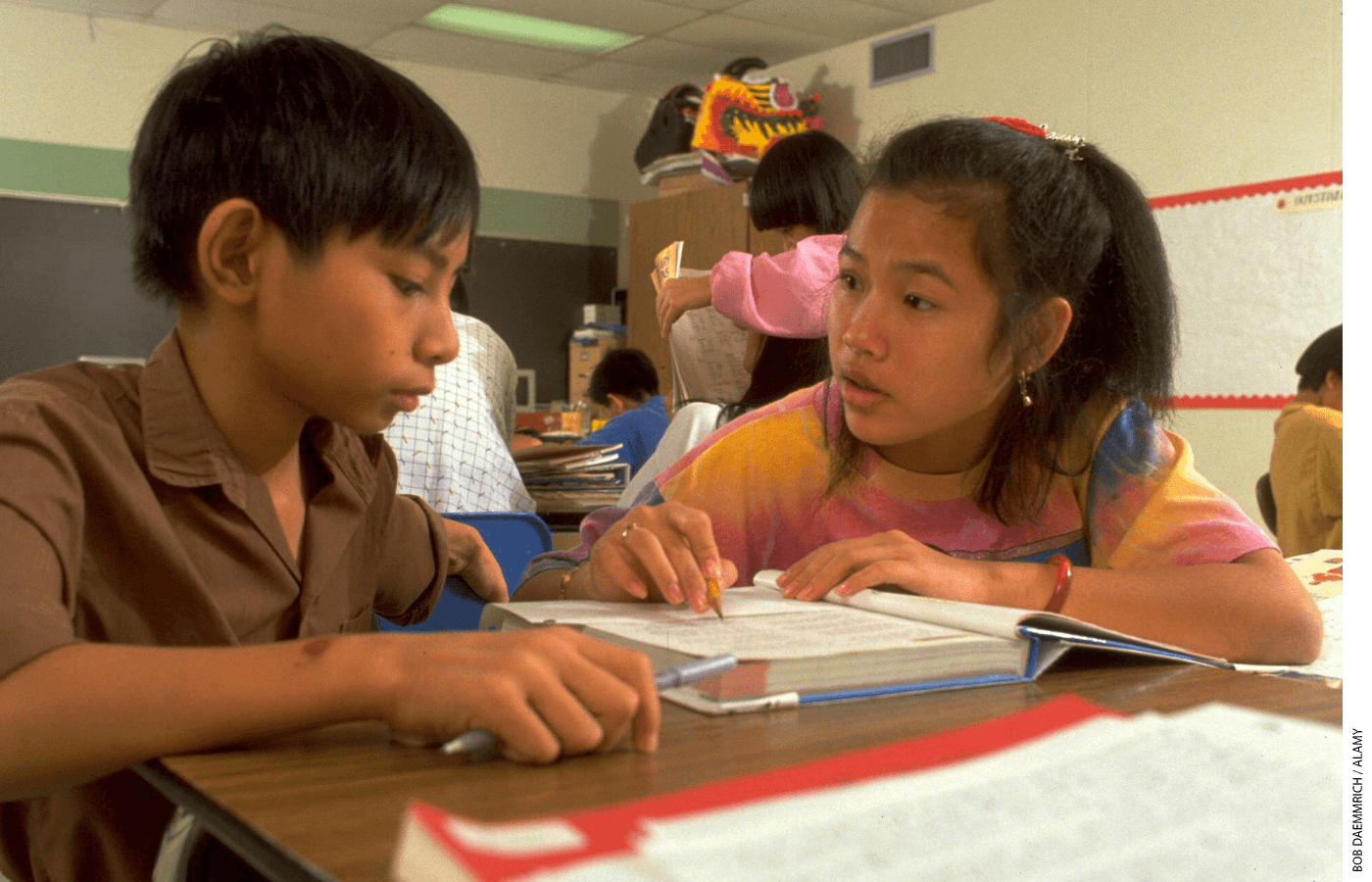
Vietnamese Americans have demonstrated a remarkable leap in educational attainment within a single generation, a trajectory largely facilitated by the U.S. public school system. This progress is particularly notable given that many families arrived in the United States as refugees following the fall of South Vietnam in 1975, often with limited resources. The community's focus on education, especially college admission, has been a primary driver for upward mobility, positioning them as a group with one of the most significant educational advancements among immigrant populations in the U.S. This phenomenon highlights the potential of public education to foster opportunity for disadvantaged communities.
The historical context of Vietnamese immigration to the U.S. is crucial to understanding this educational success. Prior to 1975, fewer than 1,000 Vietnamese resided in the United States. Following the war, approximately 125,000 Vietnamese refugees were resettled, with subsequent waves arriving through various U.S.-led programs and family reunification efforts. By the early 21st century, the Vietnamese American population had grown to over 1.6 million. The initial generation of refugees often faced challenges associated with resettlement, including limited economic opportunities and social integration. However, a strong emphasis on education as a means to achieve stability and success in their new country became a defining characteristic of the community.
Cultural distinctiveness and intergenerational dynamics have played a significant role in this educational ascent. The Vietnamese community often emphasizes strong family ties and collective responsibility, which translates into parental support for academic pursuits. Parents, many of whom may not have had extensive educational backgrounds themselves, prioritized their children's schooling, viewing it as a critical investment in their future. This commitment often involved sacrifices to ensure children had access to resources, tutoring, and a conducive study environment. The community's cultural values, which often include respect for teachers and a belief in the transformative power of knowledge, further reinforced the importance of academic achievement.
Public schools served as the primary vehicle for this educational mobility. These institutions provided a structured environment for learning, access to qualified educators, and a pathway to higher education. For Vietnamese immigrant families, public schools offered a more accessible and affordable alternative to private education, enabling a broader segment of the community to benefit from formal schooling. The success stories of second-generation Vietnamese Americans, such as Harvard College freshmen Sophie Nguyen and Minh Nguyen, exemplify this trend, showcasing individuals who have leveraged the opportunities provided by public education to achieve significant academic success and social mobility, a stark contrast to the limited opportunities available to their parents' generation.
Original source — read the full reporting at the publisher:
Read on Education NextGet the weekly AI digest
AI news + new model releases, weekly. Drafted by our agents, reviewed by humans.