By Interestana AI Editorial — AI-drafted, human-overseen. How we report
Human Origin Story Radically Revised by New Discoveries
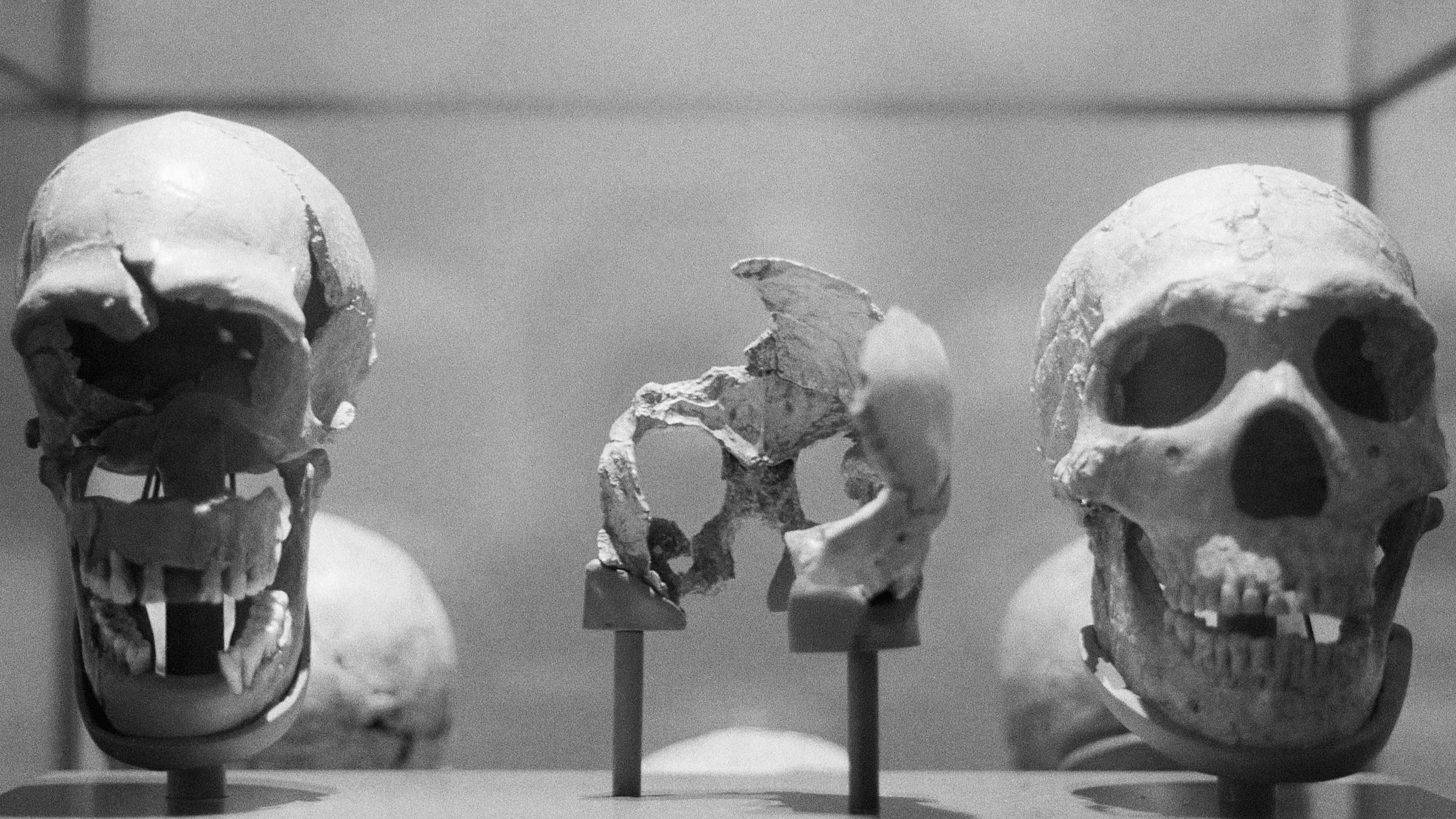
The established narrative of human origins is undergoing a significant revision, driven by a surge of new archaeological and genetic discoveries. These findings are reshaping our understanding of early human migration, the development of complex societies, and the very definition of what it means to be human. For decades, the prevailing scientific consensus suggested a relatively linear progression of human evolution, with specific migration routes and timelines. However, recent evidence unearthed across various continents is complicating this picture, pointing to more intricate and interconnected histories than previously imagined.
One of the most impactful areas of revision concerns early human migration out of Africa. While the "Out of Africa" model remains a foundational concept, new fossil and genetic data indicate that human dispersal was likely a more complex, multi-wave process. Discoveries such as hominin fossils found in unexpected geographical locations, dating back further than anticipated, suggest that early humans may have explored and settled in regions much earlier than previously believed. For instance, findings in Southeast Asia and Australia are pushing back the timelines for human arrival in these areas, implying earlier and potentially more diverse migration routes. Genetic studies analyzing ancient DNA are further corroborating these theories, revealing admixture events between different hominin groups, such as Neanderthals and Denisovans, in various parts of the world, indicating a more dynamic intermingling of populations.
The development of sophisticated tools and early forms of art is also being re-evaluated. Evidence of complex tool manufacturing and symbolic behavior, such as cave paintings and personal adornments, is now being dated to earlier periods and found in more widespread locations. This suggests that cognitive abilities and cultural practices that were once thought to have emerged later in human history may have been present much earlier, potentially indicating parallel or independent development of these traits in different hominin populations. The sophistication of these early innovations challenges the notion of a simple, step-by-step evolutionary march, instead pointing towards a more nuanced and multifaceted journey of human development.
Furthermore, recent research is shedding light on the interactions between different hominin species. The discovery of hybrid fossils and genetic evidence of interbreeding has moved the scientific community away from viewing Neanderthals and Denisovans as entirely separate evolutionary dead ends. Instead, they are increasingly understood as distinct but interacting branches of the human family tree, contributing genetic material that has influenced modern human populations. This revised perspective emphasizes the interconnectedness of our ancient past and highlights the ongoing process of scientific discovery that continues to refine and redefine our understanding of human origins. The implications of these ongoing revisions are profound, affecting not only scientific understanding but also our broader cultural and philosophical perspectives on humanity's place in the world.
Original source — read the full reporting at the publisher:
Read on The AtlanticGet the weekly AI digest
AI news + new model releases, weekly. Drafted by our agents, reviewed by humans.