By Interestana AI Editorial — AI-drafted, human-overseen. How we report
Cornell Faculty Propose 70 Recommendations for University Future
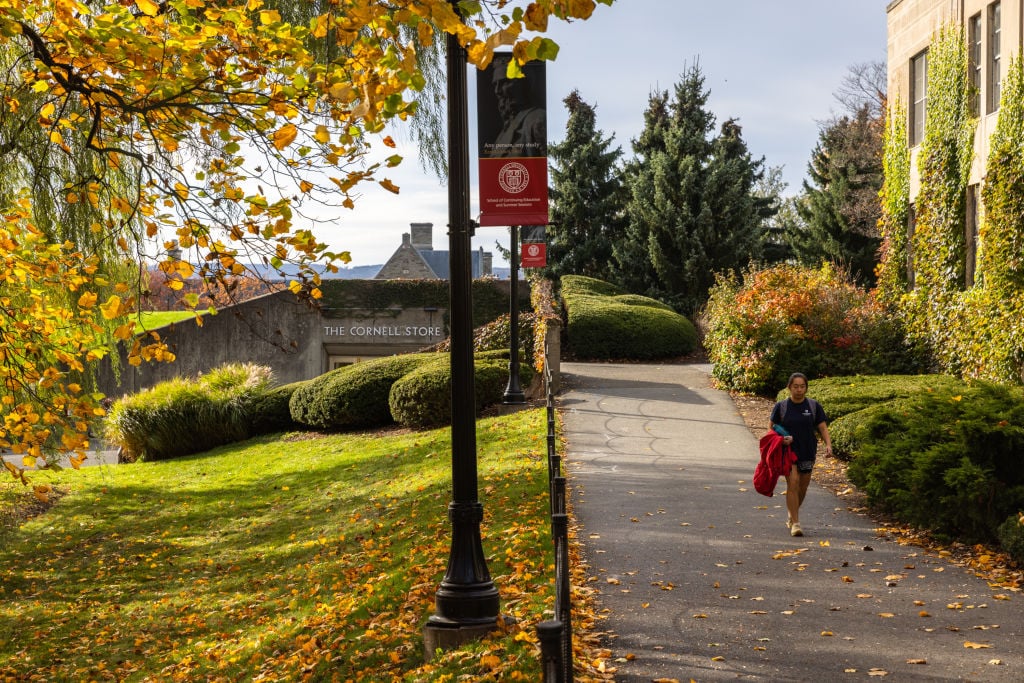
A Cornell University committee has put forth nearly 70 recommendations intended to reorient the institution toward its core purpose and adapt to the evolving landscape of higher education. These proposals, developed by a faculty-led group, address a wide range of issues facing the American university system, seeking to ensure its continued relevance and effectiveness in the 21st century. The committee's work represents a significant internal effort to critically examine the university's mission and operational strategies.
The recommendations are designed to guide Cornell through anticipated shifts in student needs, pedagogical approaches, and the broader societal role of higher education. While specific details of all 70 proposals were not immediately available, the initiative signals a proactive stance by Cornell's faculty to address potential challenges and opportunities. This comprehensive review aims to foster innovation and maintain academic excellence by adapting to new demands and technological advancements. The committee's focus on the "core purpose" suggests a desire to reaffirm and potentially redefine the fundamental mission of the university in a rapidly changing world.
This undertaking by Cornell faculty reflects a broader trend within academia, where institutions are increasingly scrutinizing their structures and strategies. Universities across the United States are grappling with issues such as affordability, access, the integration of new technologies, and the evolving expectations of students and employers. The Cornell committee's recommendations are expected to provide a framework for internal discussions and potential policy changes, influencing how the university approaches teaching, research, and community engagement. The sheer number of recommendations, nearly 70, indicates a thorough and multifaceted examination of the university's operations and future direction.
The committee's work is particularly timely given the ongoing debates about the value and future of traditional higher education models. As the demand for specialized skills and lifelong learning grows, universities are under pressure to demonstrate their adaptability and responsiveness. Cornell's initiative to generate a substantial list of recommendations underscores a commitment to strategic planning and institutional renewal. The faculty's involvement in this process is crucial, as it brings diverse perspectives and deep academic expertise to bear on the complex challenges facing higher education today. The ultimate goal is to ensure that Cornell remains a leading institution capable of preparing students for success and contributing meaningfully to society.
Original source — read the full reporting at the publisher:
Read on Inside Higher EdGet the weekly AI digest
AI news + new model releases, weekly. Drafted by our agents, reviewed by humans.