By Interestana AI Editorial — AI-drafted, human-overseen. How we report
Higher Education Faces Fragmented Information Environment
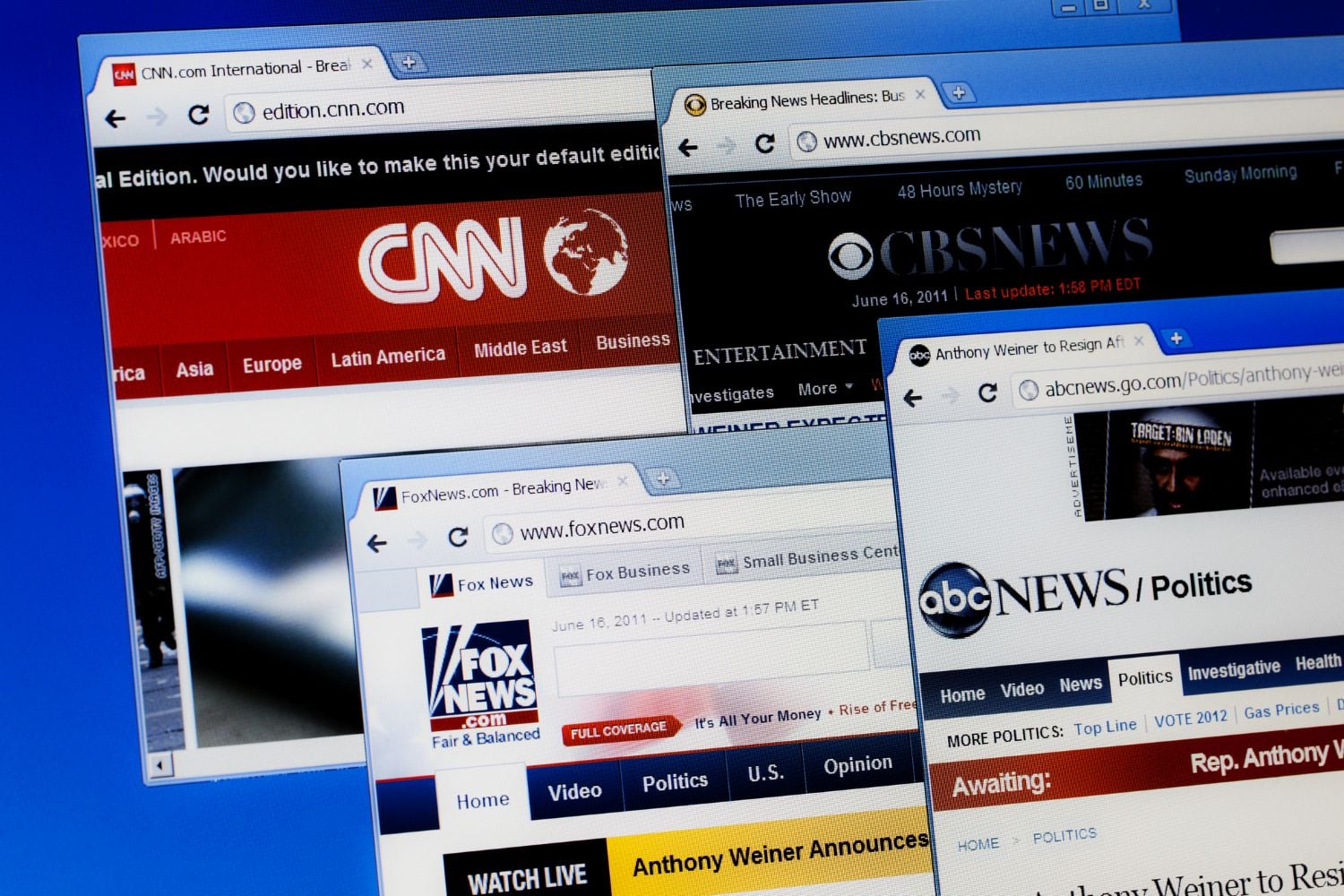
Higher education institutions are increasingly grappling with a fragmented information environment that significantly impacts public trust, according to an analysis by Elizabeth Redden published on September 23, 2026. The piece, "Higher Ed and the Tale of 2 News Feeds," highlights that the way individuals consume news has become highly personalized and often siloed, leading to divergent understandings of reality and a diminished capacity for shared discourse. This fragmentation makes it challenging for universities to communicate their value, research, and contributions effectively to a broad public audience.
The authors, John Geer, Namrah Khan, and Kristy Roschke, suggest that this fractured media landscape contributes to a decline in overall public trust, not just in academic institutions but in other societal pillars as well. When individuals are primarily exposed to information that confirms their existing beliefs, often within echo chambers, it becomes harder to build consensus or foster an appreciation for evidence-based reasoning, a core tenet of higher education. This can manifest in skepticism towards scientific findings, research methodologies, and the very purpose of academic inquiry.
Universities, therefore, face a dual challenge: they must not only produce high-quality research and education but also navigate a complex media ecosystem to ensure their work is understood and valued. The traditional methods of disseminating information, such as press releases or academic publications, may no longer be sufficient to reach a public that is increasingly reliant on social media feeds and algorithmically curated content. This necessitates a strategic rethinking of communication efforts, potentially involving more direct engagement with diverse communities and the utilization of platforms that can bridge ideological divides.
The analysis implies that a lack of shared understanding, exacerbated by information fragmentation, can lead to a broader erosion of support for public goods, including higher education. Without a foundation of public trust, universities may find it more difficult to secure funding, attract students, and maintain their role as engines of social and economic progress. Addressing this challenge requires a proactive approach from higher education leaders to understand the dynamics of the modern information environment and develop innovative strategies to foster informed public engagement and rebuild trust.
Original source — read the full reporting at the publisher:
Read on Inside Higher EdGet the weekly AI digest
AI news + new model releases, weekly. Drafted by our agents, reviewed by humans.