By Interestana AI Editorial — AI-drafted, human-overseen. How we report
Disgust Shapes Perceptions of Nature and Identity
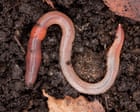
Disgust, a powerful emotion often perceived as innate, is in fact largely learned through social and cultural conditioning, influencing how individuals perceive nature, including invertebrates, and shaping attitudes towards marginalized groups, such as the LGBTQ+ community. This learned response dictates what is considered acceptable or abhorrent, impacting everything from dietary choices to social interactions and the appreciation of the natural world. The article highlights how this learned disgust can lead to the rejection of creatures like invertebrates, despite their ecological importance, and how it can be extended to human identities, fostering prejudice and discrimination.
The author recounts an experience in Hyde Park, London, during the summer of 2021, while working on a campaign to promote public appreciation for invertebrates. Despite the author's enthusiasm for insects, the reactions of passersby, particularly a young child and her mother, illustrated the common aversion to bugs. When a large earthworm was revealed under a log, the child's initial curiosity quickly turned to revulsion, mirroring a widespread societal tendency to view such creatures with disgust. This aversion is not inherent but is cultivated through exposure to societal norms and the reactions of others, demonstrating that what one finds repulsive is often a product of their environment and upbringing.
The concept of disgust is further explored in its application to human identity and social groups. Historically, disgust has been weaponized to marginalize and dehumanize various communities, including those based on race, ethnicity, and sexual orientation. The article posits that just as disgust can be learned, it can also be unlearned. By challenging the origins of our aversions and actively seeking to understand and empathize with that which we have been taught to fear or reject, individuals and societies can foster greater inclusivity and a more nuanced appreciation of both the natural world and human diversity. This process involves critical self-reflection and a willingness to confront deeply ingrained biases.
Furthermore, the article points to the ongoing "Invertebrate of the Year" vote, which closes at midnight BST on Sunday, August 16, 2026, as an example of an initiative aimed at re-framing public perception. By encouraging engagement and highlighting the unique characteristics of invertebrates, such campaigns seek to counter the ingrained disgust response and cultivate a sense of wonder and respect for these often-maligned creatures. The success of such efforts hinges on the ability to demonstrate the value and complexity of subjects that are typically met with immediate aversion, thereby illustrating the malleability of disgust and its potential to be transformed into appreciation and understanding.
Original source — read the full reporting at the publisher:
Read on The Guardian EnvironmentGet the weekly AI digest
AI news + new model releases, weekly. Drafted by our agents, reviewed by humans.