By Interestana AI Editorial — AI-drafted, human-overseen. How we report
Max Olesker's 'Making the Cut' Review: A Candid and Nuanced Look at Religious Conversion for Love
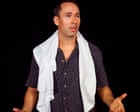
Max Olesker's solo show, "Making the Cut," currently showing at the Pleasance Dome in Edinburgh, offers an "elegant and nuanced" account of the comedian and writer's profound personal journey to embrace Orthodox Judaism. The performance is rooted in Olesker's memoir of the same title, providing an intimate and deeply personal exploration of his experiences. The central narrative revolves around Olesker's decision to convert from his more liberal Jewish upbringing to the strictures of Orthodox Judaism, a process necessitated by his desire to marry his partner. This commitment to love, however, comes with significant personal sacrifices and a re-evaluation of his identity and lifestyle.
The story begins with a pivotal moment at the Edinburgh Fringe, where Olesker, formerly one half of the successful comedy duo Max and Ivan, met his future fiancée. While both individuals shared a Jewish heritage, a significant divergence in religious observance presented a formidable obstacle to their union. Olesker's family adhered to a more liberal and bohemian interpretation of Judaism, a tradition that was not deemed sufficiently observant by his fiancée's family. To fulfill his dream of marrying the woman he loves, Olesker was required to undertake a rigorous conversion process to Orthodox Judaism. This demanding path involved a series of significant commitments and lifestyle changes. Among these were the potential renunciation of his professional career, at least temporarily, strict limitations on physical contact with his fiancée for an extended period – a stark contrast to the intimacy often associated with romantic relationships – and a commitment to attending synagogue three times daily, a significant undertaking that reshapes one's daily routine. The review also highlights the deeply personal and physically demanding aspect of circumcision as a required element of the conversion process, underscoring the gravity of his commitment.
Olesker's performance delves into the complex and often ambivalent feelings he experienced throughout this transformative period. He candidly explores the personal cost associated with such a profound life change, navigating a complex emotional landscape. The show suggests that while love served as the primary motivation, the journey itself was fraught with challenges, prompting deep introspection and self-examination. The review notes that the strictures of Orthodox practice might leave secular observers "reeling," emphasizing the stark differences between secular and devout religious lifestyles. Through his personal narrative, Olesker examines universal themes of faith, commitment, and identity, presenting a compelling and often moving account of a significant life transformation undertaken for the sake of love. The show's ability to weave these profound themes into a "gripping story" makes it a notable piece of contemporary theatre.
Original source — read the full reporting at the publisher:
Read on The Guardian CultureGet the weekly AI digest
AI news + new model releases, weekly. Drafted by our agents, reviewed by humans.