By Interestana AI Editorial — AI-drafted, human-overseen. How we report
El Niño Storms Cause California Coastline Erosion
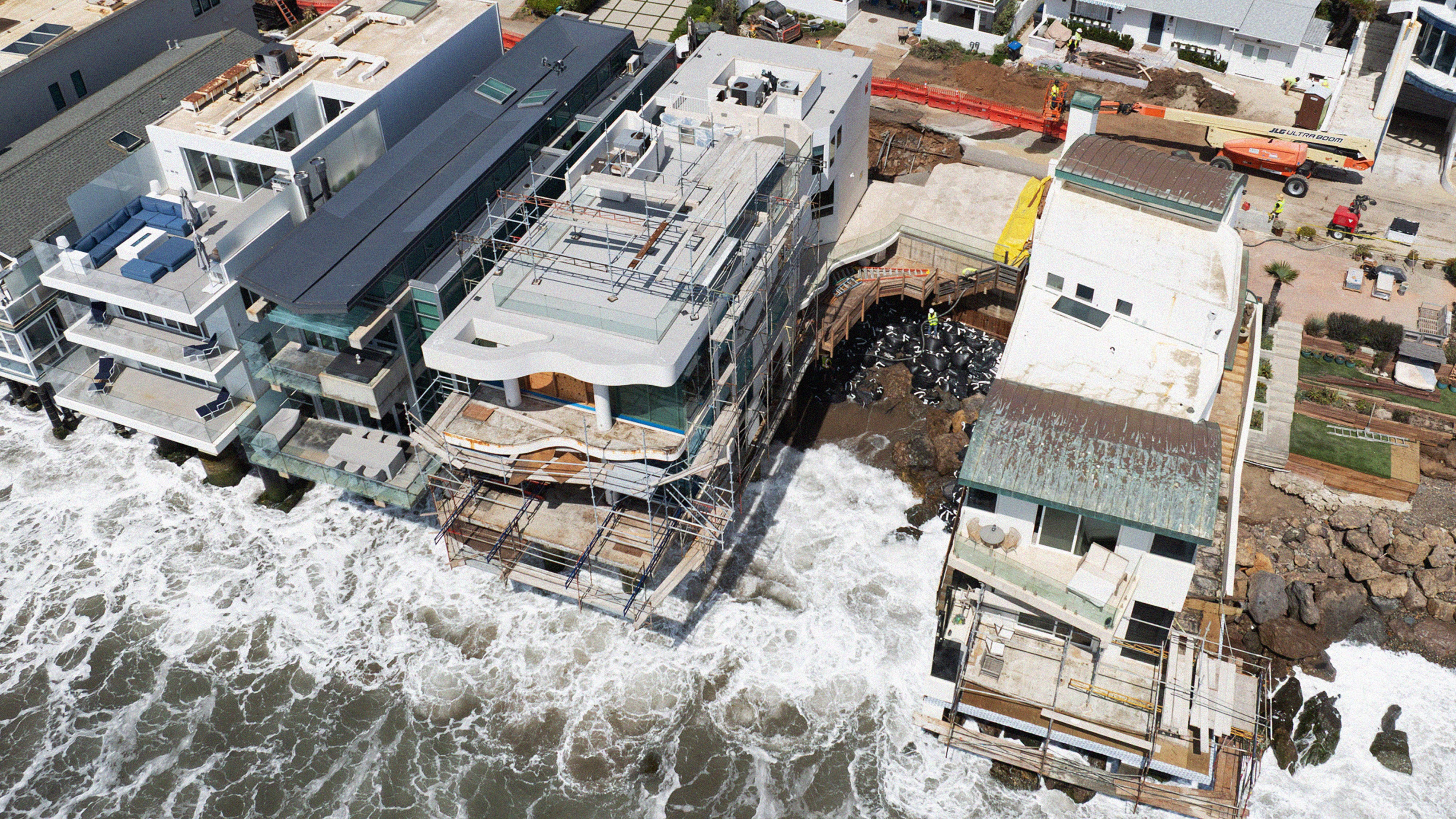
El Niño-driven storms are causing substantial erosion along California's coastline, leading to the loss of significant landmass and posing a threat to coastal communities and infrastructure. The phenomenon, characterized by warmer-than-average sea surface temperatures in the central and eastern tropical Pacific Ocean, influences weather patterns globally, including increased precipitation and storm activity along the U.S. West Coast. These intensified storms batter the shorelines, exacerbating natural erosion processes that are already a concern for the state's extensive coastal regions. The geological makeup of California's coast, which includes sedimentary rocks and unconsolidated materials, makes it particularly susceptible to the erosive forces of powerful waves and high sea levels associated with these weather events. Coastal erosion is a natural geological process, but its acceleration due to climate change and extreme weather events like El Niño presents a growing challenge. The loss of land not only affects natural habitats, such as coastal wetlands and beaches that are vital for biodiversity and recreation, but also impacts human development. Many communities in California have built infrastructure, including homes, businesses, and public utilities, in close proximity to the coast. As the shoreline recedes, these structures face increased risk of damage or complete loss. The economic implications are also significant, affecting tourism, real estate values, and the cost of coastal defense measures. Local and state governments are grappling with the need to implement effective strategies to mitigate erosion and protect vulnerable areas. These strategies can include hard engineering solutions like seawalls and breakwaters, or softer, nature-based approaches such as beach nourishment and dune restoration. However, the effectiveness and long-term sustainability of these measures are often debated, and the escalating rate of erosion due to intensified storm cycles presents a formidable challenge. The current El Niño event, like others in recent history, highlights the vulnerability of coastal regions to the impacts of climate variability and change. Scientists continue to monitor the intensity and duration of El Niño events and their correlation with coastal erosion rates, providing crucial data for planning and adaptation efforts. The ongoing erosion serves as a stark reminder of the dynamic nature of coastal environments and the urgent need for comprehensive strategies to address the challenges posed by a changing climate.
Original source — read the full reporting at the publisher:
Read on The AtlanticGet the weekly AI digest
AI news + new model releases, weekly. Drafted by our agents, reviewed by humans.