By Interestana AI Editorial — AI-drafted, human-overseen. How we report
US Finalizes Fuel Economy Rule Raising Gas Prices
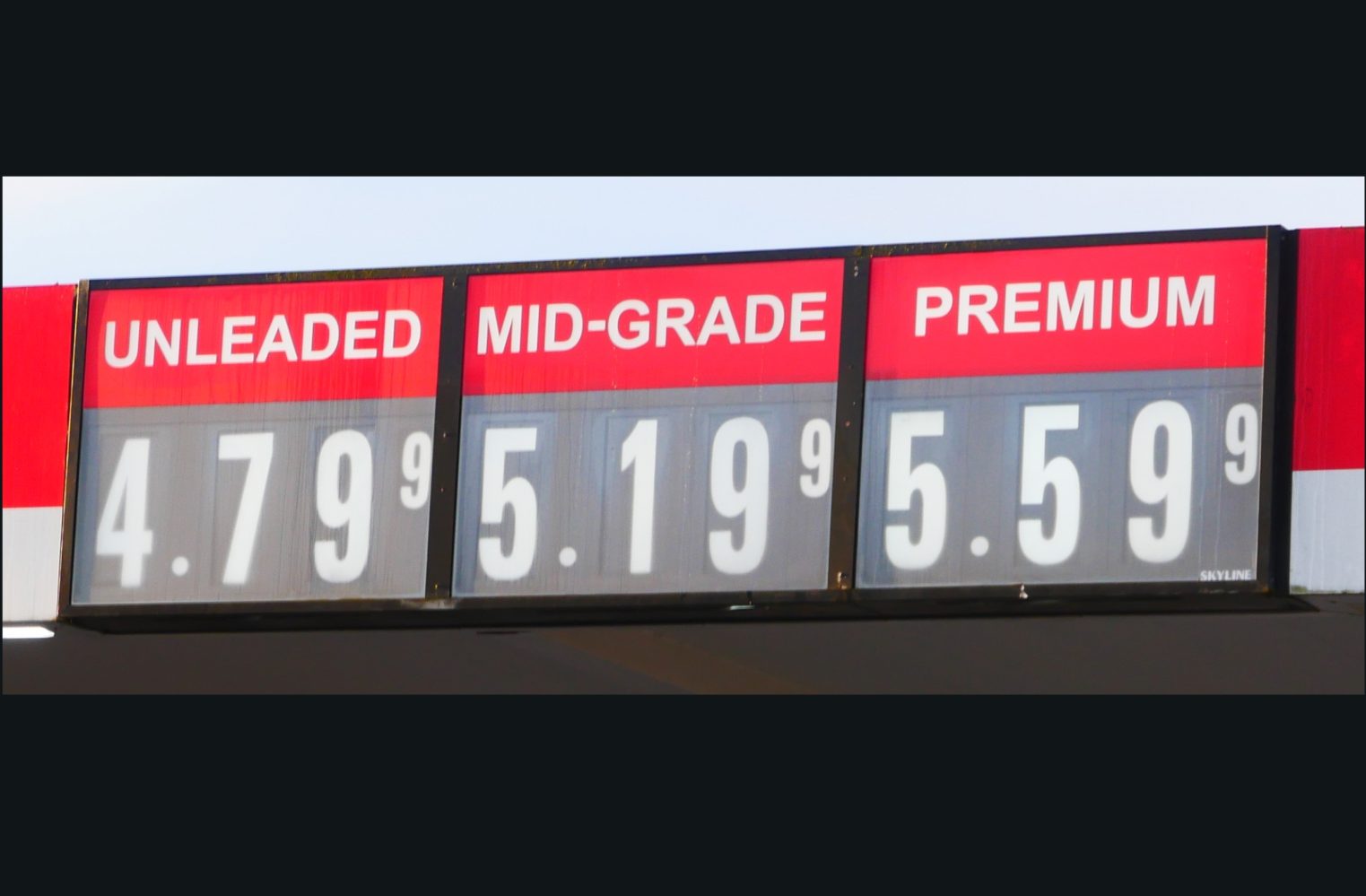
The Department of Transportation has finalized new fuel economy standards that are projected to increase gasoline prices by approximately 76 cents per gallon. This regulatory change is also expected to lead to a 44% increase in fuel consumption. The finalization of this rule occurs at a time when global energy prices have been significantly impacted by geopolitical events, including a war, which has already contributed to elevated energy costs worldwide and reached record highs in the United States. The Department of Transportation had previously indicated that the announcement of this change was imminent, and its official completion now sets the United States on a trajectory toward substantially higher fuel expenses for consumers and businesses. The rule mandates more stringent fuel efficiency requirements for vehicles, compelling manufacturers to produce more fuel-efficient models or face penalties. This measure is part of a broader effort to reduce greenhouse gas emissions and reliance on fossil fuels, aligning with climate change mitigation goals. However, the immediate consequence highlighted by the Department of Transportation's announcement is the anticipated rise in the cost of gasoline. The projected increase of 76 cents per gallon represents a significant jump in the retail price of fuel, which could have ripple effects across various sectors of the economy, including transportation, logistics, and consumer spending. The 44% projected increase in fuel use, seemingly counterintuitive to efficiency standards, likely refers to a specific metric within the regulation, possibly related to the overall energy intensity of the vehicle fleet or the projected consumption under certain driving conditions before the full impact of efficiency gains is realized. The context of global energy price volatility, exacerbated by international conflicts, means this domestic regulatory change will be scrutinized for its combined impact on affordability and energy security. The rule's implementation is expected to accelerate the transition towards electric vehicles and more fuel-efficient internal combustion engines, but the interim period will likely see higher costs for traditional gasoline-powered vehicles. This policy shift is a direct outcome of regulatory actions aimed at addressing environmental concerns, while simultaneously introducing economic pressures on consumers. The specific details of the finalized standards, including the baseline year for comparison and the timeline for compliance, will determine the precise pace and magnitude of these changes. The Department of Transportation's action signifies a definitive step in the U.S. regulatory landscape concerning vehicle emissions and fuel consumption.
Original source — read the full reporting at the publisher:
Read on ElectrekGet the weekly AI digest
AI news + new model releases, weekly. Drafted by our agents, reviewed by humans.