By Interestana AI Editorial — AI-drafted, human-overseen. How we report
Data Center Energy Use Claims Mislead, Analysis Shows
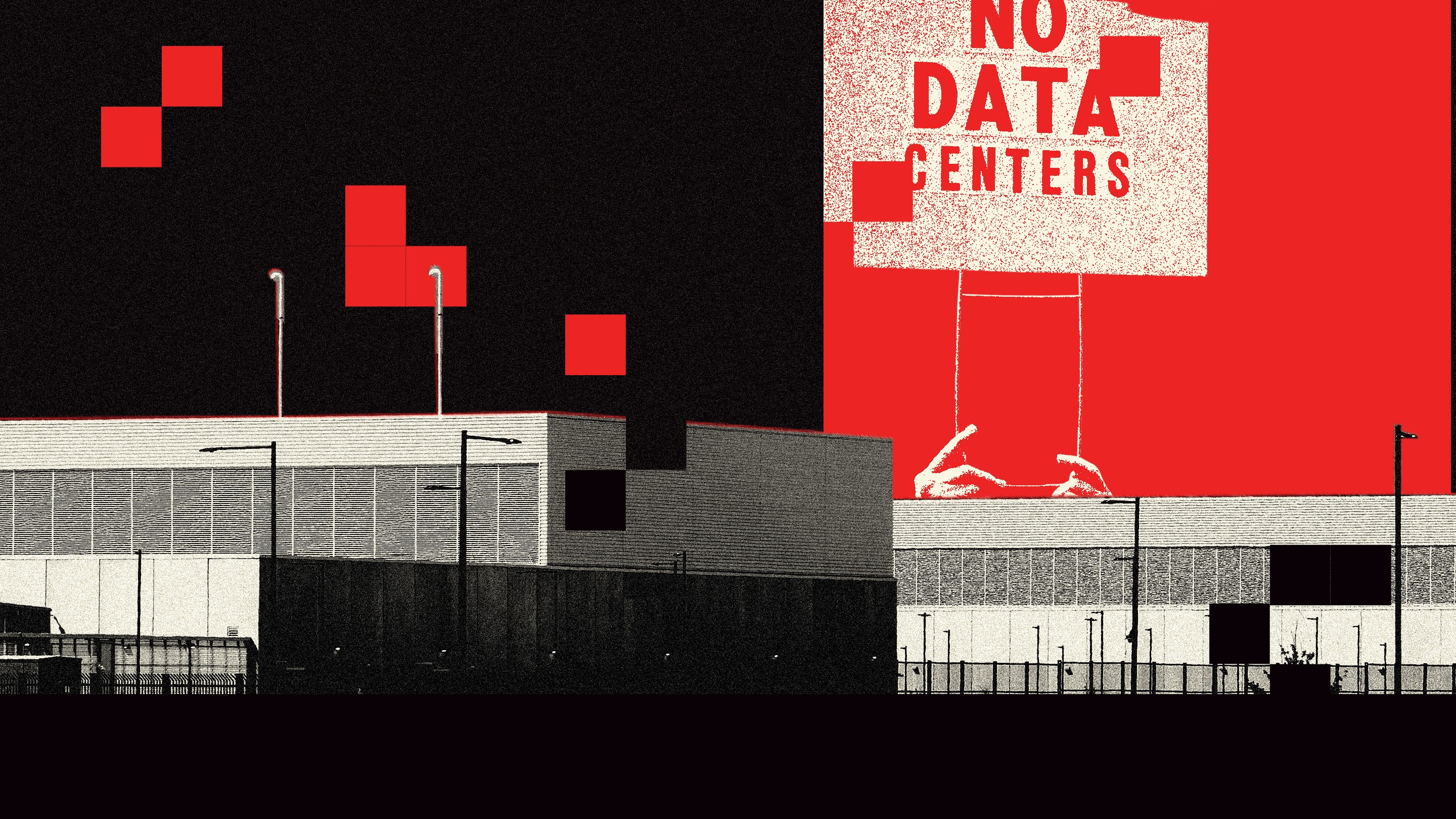
Widely circulated claims regarding the energy consumption of data centers are significantly misleading and detached from verifiable data, according to an analysis published on March 12, 2024. These alarming figures, often presented without context or rigorous sourcing, contribute to a misinformed public discourse about the environmental impact of digital technologies. The analysis highlights that many of these sensationalist numbers originate from outdated reports, speculative projections, or are conflated with broader electricity demand rather than specific data center usage. For instance, a frequently cited projection from 2019 suggested that data centers could account for 20% of global electricity consumption by 2025. However, this projection has been widely contested and is not supported by current trends or actual measurements. Real-world data from energy agencies and industry bodies paints a different picture, indicating that while data center energy use is substantial and growing, it remains a much smaller fraction of total global electricity demand. The International Energy Agency (IEA) reported in 2023 that data centers, along with crypto-mining and networks, accounted for about 1.5% of global final electricity consumption in 2022, a figure that has remained relatively stable. This contrasts sharply with the much higher percentages often quoted in public discussions. The analysis points to a lack of transparency and a tendency to extrapolate future growth based on past exponential trends without accounting for significant improvements in energy efficiency. Technological advancements, such as more efficient cooling systems, optimized server hardware, and smarter workload management, have helped to mitigate the energy demands of increasing digital activity. Furthermore, the growth in demand for digital services, including streaming, cloud computing, and artificial intelligence, is often presented as a direct driver of proportionally increasing energy use, without acknowledging the efficiency gains that offset some of this growth. The debate surrounding data center energy consumption is further complicated by the varying definitions of what constitutes a 'data center' and how energy usage is measured and reported. Some figures may include the energy used by end-user devices or the manufacturing of hardware, which are not directly attributable to the operational energy consumption of data centers themselves. The analysis urges a more fact-based approach, advocating for the use of audited data and transparent reporting from the industry and regulatory bodies. It emphasizes that a clear understanding of actual energy consumption is crucial for developing effective strategies to promote sustainability in the digital sector, rather than relying on unsubstantiated fears that can hinder necessary technological development and investment. The authors suggest that focusing on precise data will enable more targeted policy interventions and technological innovations aimed at reducing the environmental footprint of digital infrastructure.
Original source — read the full reporting at the publisher:
Read on The AtlanticGet the weekly AI digest
AI news + new model releases, weekly. Drafted by our agents, reviewed by humans.