By Interestana AI Editorial — AI-drafted, human-overseen. How we report
George Osborne Thought Peter Thiel's Bayeux Tapestry Visit Would Be Secret
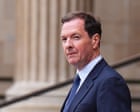
George Osborne, the chair of the British Museum, has stated that he believed a private viewing of the Bayeux Tapestry organized for tech billionaire Peter Thiel would not become public knowledge. Osborne made these remarks at the Big Brue festival in Somerset, recounting that he was on holiday when Thiel was shown the medieval artwork. As chair of the British Museum, Osborne is responsible for overseeing the institution's operations and collections, which include the historically significant Bayeux Tapestry. The tapestry, dating to the 11th century, depicts the events leading up to the Norman conquest of England by William the Conqueror. Its private viewing by a prominent figure like Peter Thiel, a venture capitalist and co-founder of PayPal, could be seen as a notable event within museum and philanthropic circles. The revelation of this private viewing, and Osborne's assertion that he expected it to be secret, has drawn attention to the practices of private access to national treasures. The British Museum, a public institution, often facilitates private viewings for donors and distinguished guests, a common practice among major cultural organizations worldwide. However, the expectation of secrecy surrounding such events can raise questions about transparency and public access to cultural heritage. Peter Thiel, known for his investments in technology companies such as Facebook and Palantir Technologies, is also a significant figure in conservative political circles in the United States. His interest in historical artifacts like the Bayeux Tapestry could reflect a broader engagement with history and culture. The Big Brue festival, where Osborne made his comments, is an event focused on culture and the arts, providing a platform for discussions on various topics, including heritage and museum management. Osborne's tenure as chair of the British Museum began in 2023, succeeding the previous chair. His role involves significant responsibilities in fundraising, strategic direction, and governance of the museum. The British Museum houses a vast collection of world art and artifacts, attracting millions of visitors annually. The Bayeux Tapestry itself is a unique and invaluable piece of history, and its preservation and display are of paramount importance. The circumstances surrounding its private viewing, and the subsequent public disclosure, highlight the ongoing dialogue about how such significant cultural assets are managed and shared. Osborne's comments suggest a desire for discretion in facilitating such private engagements, a balance that many institutions strive to maintain between public accessibility and the cultivation of private support. The former Chancellor of the Exchequer, Osborne's political background adds another layer to his current role, potentially influencing his approach to public-facing institutions. The British Museum's policy on private viewings is generally designed to accommodate significant benefactors and influential figures, fostering relationships that are crucial for the museum's financial sustainability and its ability to acquire and preserve artifacts. The fact that this particular viewing became public, contrary to Osborne's expectations, underscores the challenges of maintaining privacy in an era of rapid information dissemination.
Original source — read the full reporting at the publisher:
Read on The Guardian WorldGet the weekly AI digest
AI news + new model releases, weekly. Drafted by our agents, reviewed by humans.