By Interestana AI Editorial — AI-drafted, human-overseen. How we report
AI Data Center Fire Exposes Corporate Complexity
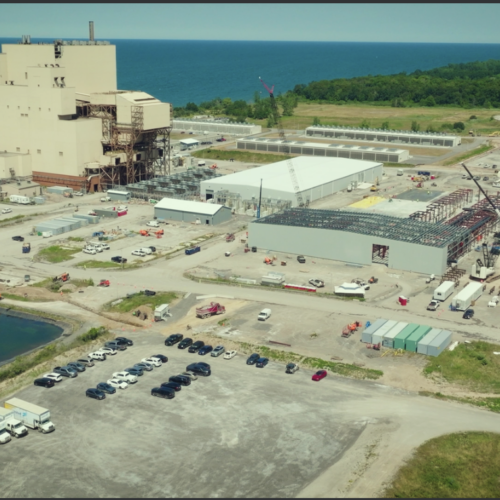
A fire that occurred in early June at the Lake Mariner data center in Somerset, New York, revealed significant gaps in local emergency responders' knowledge regarding the facility's safety protocols and the chemicals present. Firefighters from the Barker Fire Department encountered a building without a functioning alarm system or suppression system, and three non-operational hydrants. Chief Steve Matisz of the Barker Fire Department stated that his crew entered the building "kind of blind," facing dense black smoke from unidentified chemicals because the safety data sheets, which they are legally entitled to access, had reportedly been destroyed in the blaze. Matisz expressed uncertainty regarding the claim that the safety sheets had burned during the fire, describing the situation as "difficult."
The Lake Mariner campus, situated on land leased from a company owned by its own CEO, represents a substantial $3.2 billion investment in artificial intelligence data center infrastructure within New York. This extensive buildout involves multiple key entities. TeraWulf is the owner and operator of the data center itself. Fluidstack, a United Kingdom-based artificial intelligence company, is slated to manage the day-to-day operations of the facility. Google has secured warrants for a future 14 percent equity stake in the project and has committed to guaranteeing Fluidstack's lease payments, underscoring its significant interest in the data center's capacity. Furthermore, the facility is being developed to meet the substantial compute demands of artificial intelligence companies, with Anthropic identified as one of the key clients the facility is intended to serve.
The incident at the Lake Mariner data center underscores the intricate and often opaque corporate structures that underpin large-scale technology infrastructure projects, particularly those in the rapidly expanding field of artificial intelligence. The site's location on former coal mine land adjacent to Lake Ontario provides a potential source for cooling, a critical component for energy-intensive data centers. The involvement of diverse stakeholders, from the land lessor to the operator, the equity investor, and the end-user AI companies, creates a complex network of responsibilities and information flows. The fire's impact on safety documentation highlights potential challenges in ensuring adequate emergency preparedness and transparency when dealing with such multifaceted developments. The ongoing construction status of the building at the time of the fire further complicates the assessment of operational readiness and adherence to safety standards prior to the incident.
This event brings to light the critical need for clear communication and established safety protocols between data center developers, operators, and local emergency services, especially as AI infrastructure projects become larger and more prevalent. The financial scale of the Lake Mariner project, at $3.2 billion, signifies the immense capital investment flowing into AI compute resources. The involvement of major technology players like Google and significant AI developers like Anthropic points to the strategic importance of such facilities in the current technological landscape. The incident serves as a case study for the potential risks and complexities associated with the rapid expansion of AI-related physical infrastructure.
Original source — read the full reporting at the publisher:
Read on Ars TechnicaGet the weekly AI digest
AI news + new model releases, weekly. Drafted by our agents, reviewed by humans.