By Interestana AI Editorial — AI-drafted, human-overseen. How we report
Austin Builds 15,000 Middle-Class Homes, Only 543 Low-Income
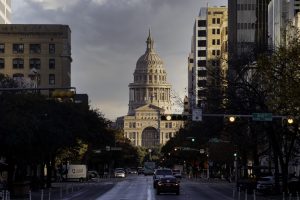
In Austin, Texas, a stark disparity exists in housing development, with the city prioritizing the construction of 15,000 homes for the middle class while only managing to build 543 low-income housing units. Mathew Davis, a resident of a homeless shelter in Austin, exemplifies the struggle of low-income individuals to secure even basic housing, noting that even a $450-a-month tiny home with shared facilities would be financially out of reach on his plasma donation earnings. Compounding the issue, over 4,500 units classified as affordable in Austin, representing nearly 16% of such housing, remain vacant. Davis, 49, stated that his monthly income of a few hundred dollars is insufficient to afford any housing, forcing him to "swim uphill."
The United States faces an acute shortage of affordable homes for its poorest citizens. However, recent trends indicate that a significant portion of low-income housing financed in recent years is targeted towards individuals earning 50% of the area's median income or higher. This strategy has led to an increase in vacancies in some cities as rents for these designated affordable units approach market rates. Consequently, apartments intended for low-income residents sit empty because the most economically vulnerable populations cannot afford them, pushing some individuals into homelessness and others into precarious financial situations to cover housing costs.
Nationally, there are approximately 4 million affordable rental units available for the 11 million extremely low-income renter households, according to the National Low Income Housing Coalition's latest annual report. Extremely low-income households are defined as those with annual incomes below the federal poverty guidelines (just under $16,000 for a single person) or 30% of the area's median income, whichever is greater. These households constitute about a quarter of all renter households in the U.S. and include many low-wage workers, seniors on fixed incomes, and individuals with disabilities. The report further indicates that about three-quarters of extremely low-income renter households spend over half of their income on rent and utilities, leaving minimal funds for other essential needs. Despite this critical need, only about 12% of affordable housing units financed in 2024 were designated for these extremely low-income renters.
Original source — read the full reporting at the publisher:
Read on FortuneGet the weekly AI digest
AI news + new model releases, weekly. Drafted by our agents, reviewed by humans.