By Interestana AI Editorial — AI-drafted, human-overseen. How we report
Readers Debate Decline and Rise of Housefly Infestations
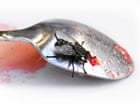
Readers are responding to an article detailing significant housefly infestations experienced by people during hot weather, offering a range of personal observations and historical comparisons. One reader, writing in response to the July 30, 2026 article titled ‘It makes you feel you’ve got a really dirty house’: what’s behind the UK’s plagues of flies?, states that their personal experience over the past two decades indicates a substantial decrease in housefly numbers. This observation excludes Highland midges, which are noted as a separate phenomenon. The reader contrasts this with their memories of childhood summers during the 1950s and 1960s. During those decades, housefly populations were perceived as much larger, with sticky flytraps commonly placed near doorways inside homes. Any food left exposed on kitchen counters would reportedly attract various colored flies within seconds. This suggests a historical shift in the prevalence of common housefly species. Another perspective, implied by the engagement with the article on summer fly infestations, indicates that recent years have seen a resurgence or at least a noticeable increase in fly activity, prompting concern and discussion among the public. The article itself, published on July 30, 2026, explored the potential causes behind these recent plagues of flies affecting homes. The ongoing discussion highlights a divergence in perceived fly populations, with some individuals recalling a time of greater abundance and others experiencing a recent surge that disrupts daily life. The phenomenon prompts questions about environmental factors, agricultural practices, or climatic changes that might influence insect populations. The contrast in experiences underscores the complexity of tracking insect populations and the localized or temporal variations that can occur. Further investigation into the specific environmental conditions and potential contributing factors mentioned in the original article would be necessary to reconcile these differing accounts and understand the current state of housefly infestations. The debate among readers reflects a broader public interest in understanding and managing common household pests, particularly as weather patterns shift and impact ecosystems. The differing recollections of fly abundance over several decades suggest that population dynamics are not static and can be influenced by a multitude of factors over time. The discussion also implicitly touches upon the role of hygiene and environmental management in controlling insect populations, as indicated by the reader's reference to sticky flytraps and food left out.
Original source — read the full reporting at the publisher:
Read on The Guardian EnvironmentGet the weekly AI digest
AI news + new model releases, weekly. Drafted by our agents, reviewed by humans.