By Interestana AI Editorial — AI-drafted, human-overseen. How we report
10-Year Treasury Yield Breaks Out, Approaching 5%
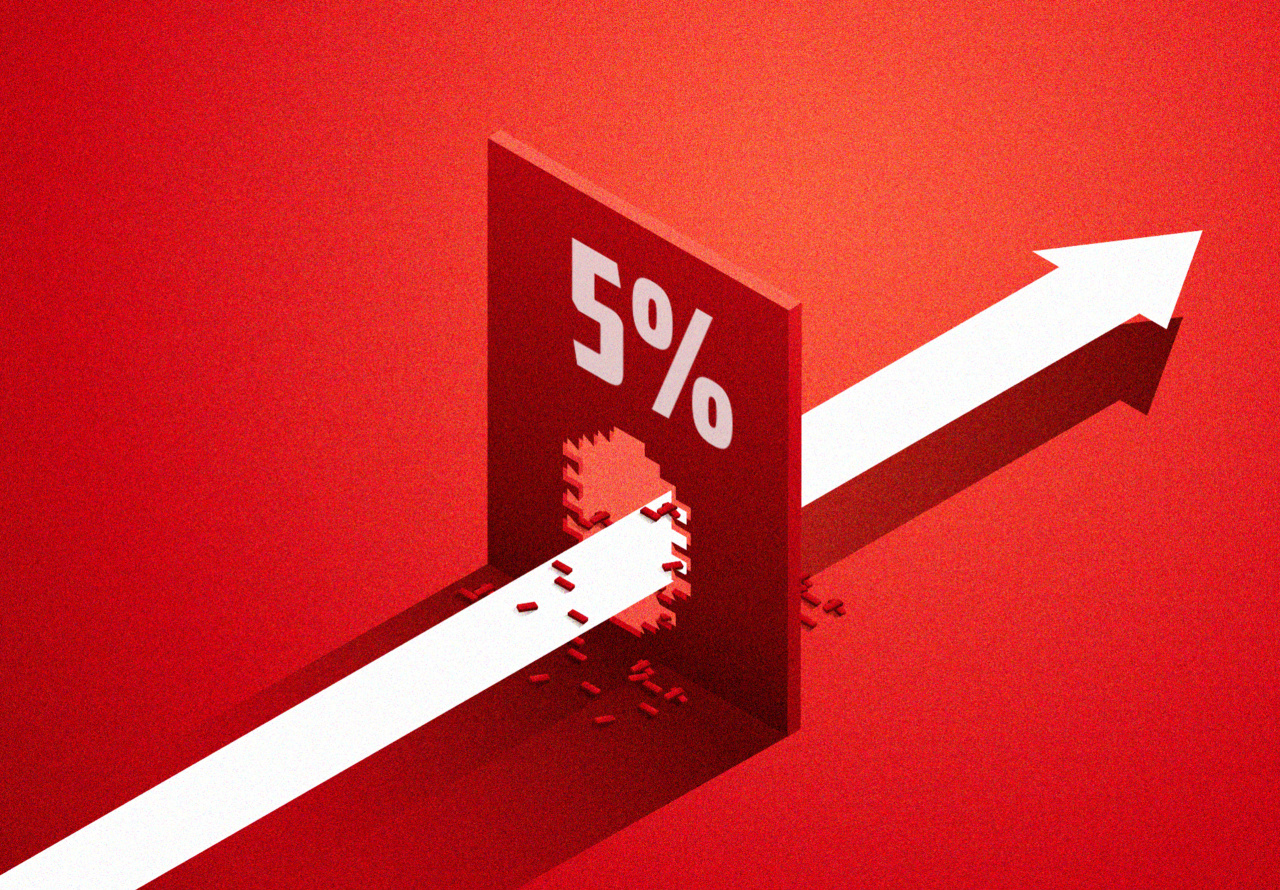
The 10-year Treasury yield has broken out of its recent trading range, signaling a significant upward trend in interest rates that extends beyond the Federal Reserve's efforts to combat inflation. This development suggests that market participants are anticipating a more sustained period of higher borrowing costs, with the 5% mark now appearing as a potential near-term target. The implications of this rising yield are far-reaching, affecting everything from mortgage rates and corporate borrowing to the valuation of financial assets.
The current surge in yields is not solely attributable to the Federal Reserve's monetary policy. While the central bank has been actively raising interest rates to curb inflation, market dynamics and investor sentiment are also playing a crucial role. Factors such as increased government borrowing, a robust labor market that may necessitate continued tight monetary policy, and global economic uncertainties can all contribute to upward pressure on bond yields. The 10-year Treasury yield, often considered a benchmark for longer-term borrowing costs, is closely watched as an indicator of economic health and future interest rate expectations.
When the 10-year Treasury yield rises, it typically leads to higher interest rates across the economy. Mortgages become more expensive, making it harder for individuals to purchase homes and potentially cooling the housing market. Businesses face increased costs for financing new projects or refinancing existing debt, which can slow down investment and expansion. For consumers, higher rates on car loans, credit cards, and other forms of personal debt can reduce disposable income and dampen spending. Furthermore, rising yields can make bonds more attractive relative to stocks, potentially leading to shifts in investment portfolios and affecting stock market valuations.
The Federal Reserve's dual mandate includes maintaining price stability and maximizing employment. As inflation has proven persistent, the Fed has signaled a willingness to keep interest rates higher for longer than initially anticipated. This stance, combined with other market forces, has pushed the 10-year yield higher. The market is now pricing in a scenario where interest rates may not decline as rapidly as some had hoped, leading to a reassessment of economic growth prospects and risk premiums. The path forward for yields will depend on a complex interplay of inflation data, employment figures, geopolitical events, and the Fed's future policy decisions. A sustained move above 5% could mark a significant inflection point for financial markets and the broader economy, requiring adjustments from consumers, businesses, and investors alike.
Original source — read the full reporting at the publisher:
Read on MarketWatchGet the weekly AI digest
AI news + new model releases, weekly. Drafted by our agents, reviewed by humans.