By Interestana AI Editorial — AI-drafted, human-overseen. How we report
Tesla FSD/Autopilot Engaged in Fatal Highway Stop Crash
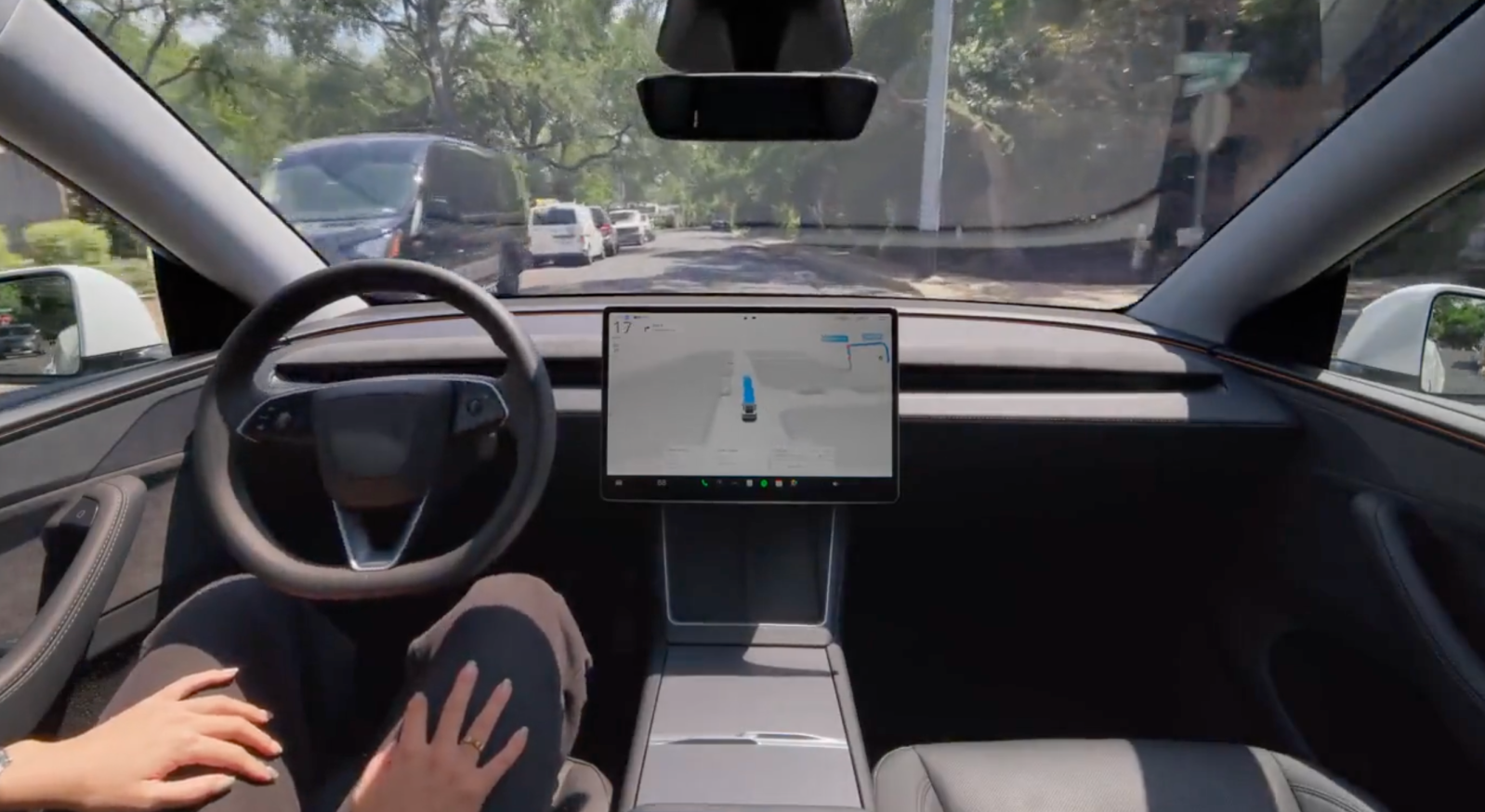
A 43-year-old man lost his life when his Tesla Model 3 came to a standstill in a live lane of Interstate 4 in Florida, subsequently being struck by a semi-trailer truck. Florida Highway Patrol troopers stated they were unable to determine the reason for the vehicle's unexpected stop on the highway. However, Electrek's ongoing investigation into unexplained fatal crashes involving Tesla's Advanced Driver-Assistance Systems (ADAS) suggests that the car's driver-assist system, identified as FSD/Autopilot, was engaged at the time of the incident. Tesla's internal data, which could potentially illuminate the sequence of events leading to the crash, has been sealed by the company. This incident is part of a broader series by Electrek that aims to correlate fatal accidents with Tesla's proprietary, and often redacted, data concerning ADAS-related crashes. The series highlights a pattern where Tesla's driver-assist technology is implicated in incidents where the vehicle's behavior is otherwise inexplicable to authorities. The specific circumstances of this fatal collision, including the precise reason for the Model 3's cessation of movement in active traffic, remain under scrutiny, with the sealed data from Tesla being a critical, yet inaccessible, piece of the puzzle. The investigation seeks to provide transparency into the operational parameters and potential failure points of Tesla's ADAS when faced with unexpected driving scenarios. The engagement of FSD/Autopilot suggests the system was active and potentially responsible for the vehicle's decision to stop, a maneuver that proved catastrophic. The lack of immediate explanation from law enforcement underscores the complexity of these incidents and the need for access to manufacturer-specific data to fully understand the contributing factors. The Electrek series aims to bridge this information gap by meticulously examining available details and comparing them with Tesla's own system logs when possible. The tragic outcome for the 43-year-old driver serves as a stark reminder of the ongoing debate surrounding the safety and reliability of advanced driver-assistance systems in real-world driving conditions, particularly when unexpected events occur on high-speed roadways. The investigation will continue to explore the role of ADAS in fatal accidents, advocating for greater transparency from automotive manufacturers regarding the data that could explain such tragic events.
Original source — read the full reporting at the publisher:
Read on ElectrekGet the weekly AI digest
AI news + new model releases, weekly. Drafted by our agents, reviewed by humans.