By Interestana AI Editorial — AI-drafted, human-overseen. How we report
Tesla Autopilot Crashes Hit Record High in July 2026
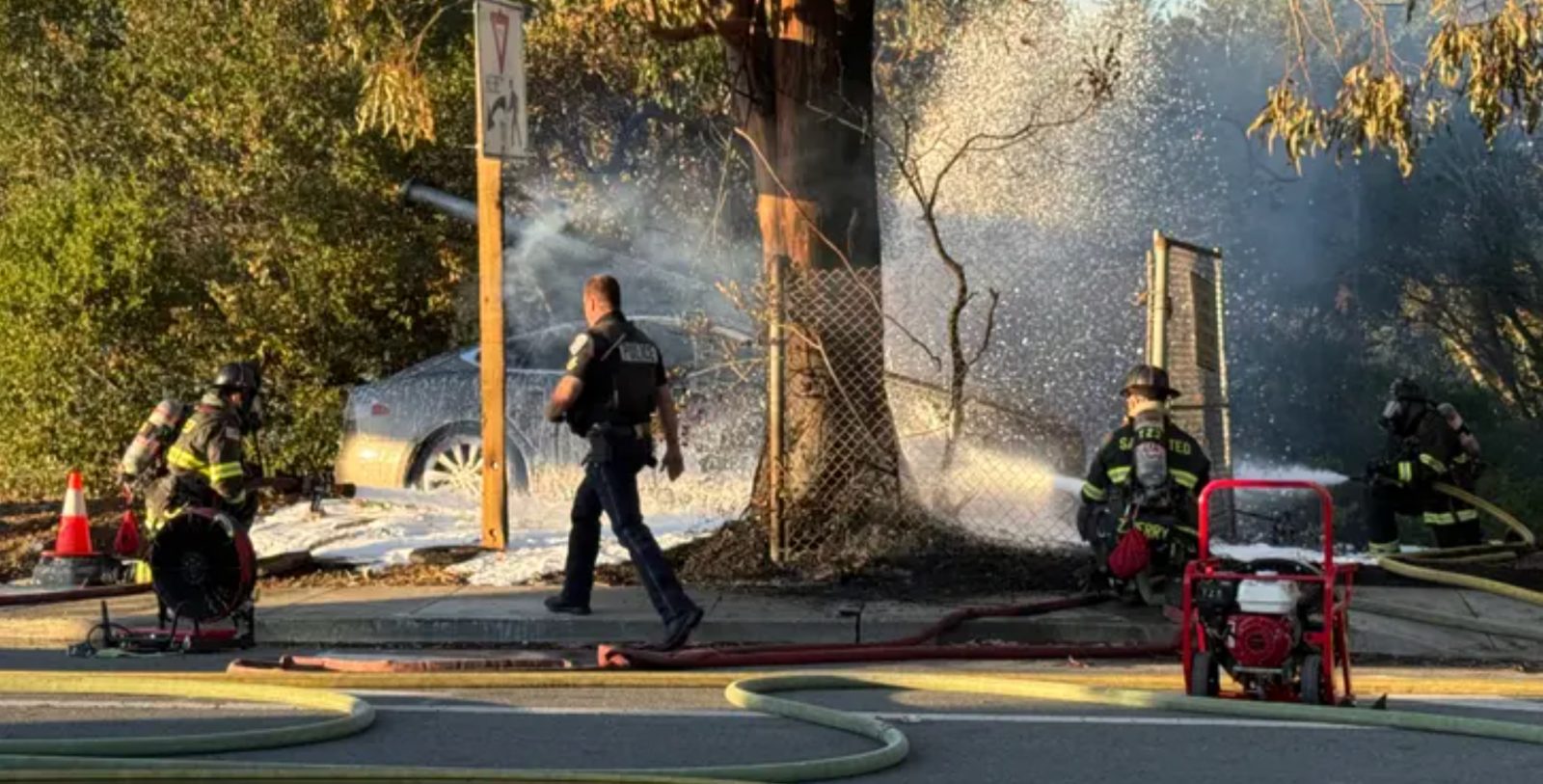
July 2026 marked a grim milestone for Tesla, with the company reporting a record 236 crashes involving its driver-assist systems to federal regulators. This figure represents the highest monthly total ever filed by Tesla. Disturbingly, four of these incidents resulted in fatalities. In each of these fatal crashes, Tesla's internal data indicates that either Autopilot or its "Full Self-Driving" (FSD) software was engaged at the time of the collision. Furthermore, Tesla did not publicly disclose the involvement of its driver-assist systems in these incidents. This information emerges from an ongoing investigation that cross-references Tesla's redacted reports submitted to the National Highway Traffic Safety Administration (NHTSA) with identified, named real-world crashes. The investigation aims to provide a clearer picture of the safety performance of Tesla's advanced driver-assistance systems (ADAS) by matching the company's internal data with publicly documented events. The NHTSA has been investigating Tesla's Autopilot system for several years, particularly following a series of crashes where the system was implicated. These investigations often focus on whether the systems perform as advertised and whether drivers are adequately informed about their limitations. The increasing number of reported incidents, especially those involving fatalities, raises significant questions about the safety and reliability of these technologies. Tesla's Autopilot system is designed to assist drivers with steering, acceleration, and braking, while Full Self-Driving is a more advanced suite of features that aims to enable autonomous driving under certain conditions, though it still requires active driver supervision. The company has faced scrutiny over its marketing of these features, with critics arguing that the names "Autopilot" and "Full Self-Driving" may mislead consumers about the systems' capabilities. The data compiled by the investigation highlights a trend of increasing reliance on these systems, coupled with a rise in reported incidents. The lack of public disclosure regarding the engagement of these systems in fatal crashes further complicates public understanding and regulatory oversight. The implications of these findings extend beyond Tesla, impacting the broader discussion around the safety and regulation of autonomous driving technology. As more vehicles are equipped with advanced driver-assistance features, ensuring transparency and robust safety protocols becomes increasingly critical for protecting public safety on the roads. The NHTSA's ongoing investigations and the detailed reporting from this investigation are crucial for informing future regulatory actions and industry standards.
Original source — read the full reporting at the publisher:
Read on ElectrekGet the weekly AI digest
AI news + new model releases, weekly. Drafted by our agents, reviewed by humans.